 EN
EN

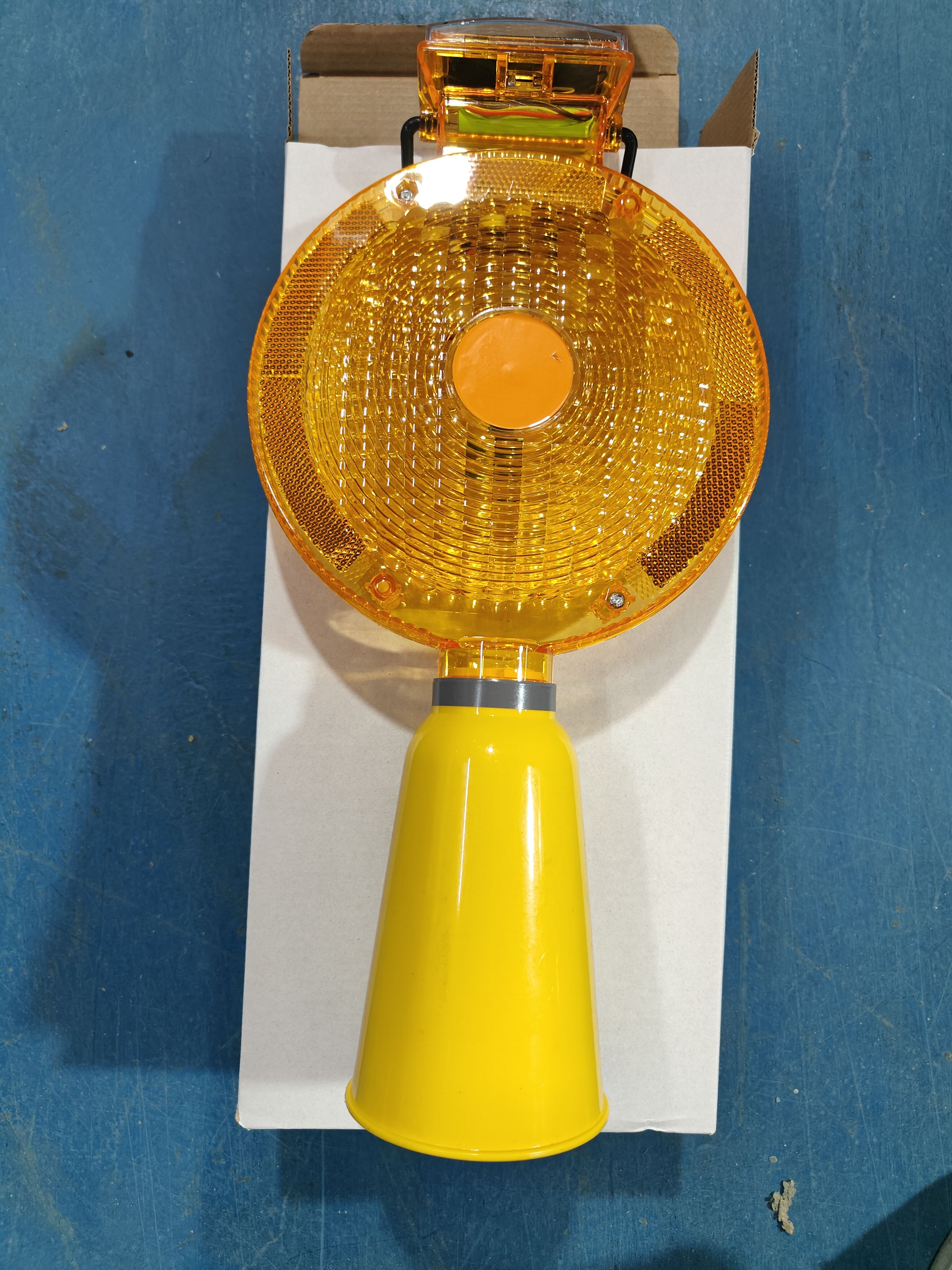
Construction zones present unique safety challenges that require immediate visual identification and clear traffic management protocols. The implementation of orange cone traffic systems has become the industry standard for protecting both workers and motorists in active construction environments. These distinctive safety devices serve as the first line of defense against potential accidents, providing unmistakable visual cues that alert drivers to changing road conditions and hazardous work areas ahead.
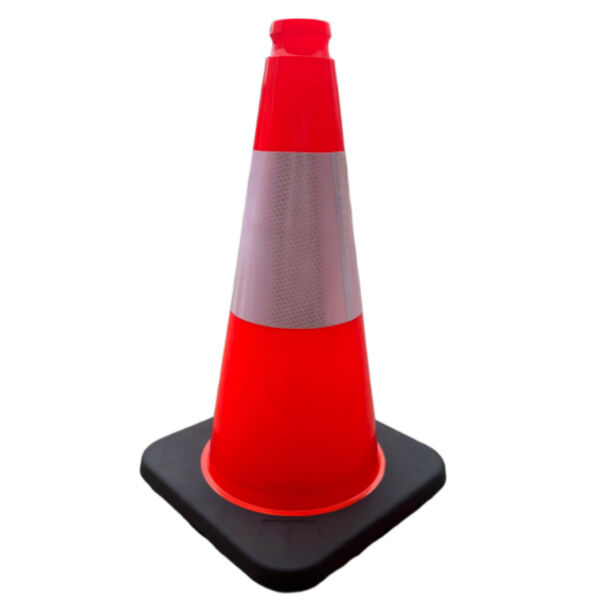
The effectiveness of orange cone traffic solutions stems from decades of research into human perception and reaction times during driving scenarios. Traffic engineers have extensively studied color psychology and visibility patterns to determine that fluorescent orange provides maximum contrast against various backgrounds, weather conditions, and lighting situations. This scientific approach to safety equipment design ensures that construction zones maintain consistent protection standards regardless of environmental variables or time of day operations.
Historical Development of Construction Zone Safety Standards
Evolution of Traffic Control Devices
The journey toward standardized orange cone traffic began in the mid-20th century when construction activities started expanding beyond traditional daylight hours. Early traffic control methods relied on flagmen and basic wooden barriers, which proved insufficient as vehicle speeds increased and construction projects became more complex. The introduction of reflective materials and standardized coloring revolutionized how construction zones communicated danger to approaching motorists.
Federal Highway Administration guidelines established specific requirements for orange cone traffic placement and specifications during the 1970s. These regulations addressed cone height, weight, reflectivity standards, and color consistency to ensure uniform safety protocols across all construction projects. The implementation of these standards significantly reduced accident rates in work zones and established orange as the universally recognized color for construction safety equipment.
Regulatory Framework and Compliance Requirements
Modern construction projects must adhere to stringent orange cone traffic deployment standards outlined in the Manual on Uniform Traffic Control Devices. These comprehensive guidelines specify exact placement distances, cone spacing intervals, and mandatory reflective stripe configurations that enhance visibility during nighttime operations. Compliance with these federal standards ensures that construction companies maintain proper insurance coverage and avoid liability issues related to inadequate traffic control measures.
State transportation departments regularly audit construction zones to verify proper orange cone traffic implementation and adherence to established safety protocols. Non-compliance can result in significant fines, project delays, and increased insurance premiums that far exceed the cost of proper safety equipment installation. Understanding these regulatory requirements helps construction managers make informed decisions about traffic control investments and long-term safety planning strategies.
Technical Specifications and Design Features
Material Composition and Durability Standards
Professional-grade orange cone traffic devices utilize high-density polyethylene construction that withstands repeated impacts from vehicles and harsh weather conditions. The manufacturing process involves injection molding techniques that create seamless cone bodies with uniform wall thickness, eliminating weak points that could lead to premature failure during extended deployment periods. UV-resistant additives prevent color fading and material degradation from prolonged sun exposure, maintaining visibility effectiveness throughout the construction timeline.
Weight distribution plays a crucial role in orange cone traffic stability and performance under various wind conditions. Strategic base design incorporates recycled rubber components that provide optimal ground contact while maintaining flexibility during vehicle contact events. This engineered approach ensures that cones return to upright positions after minor impacts while clearly marking their original placement locations for easy repositioning by work crews.
Reflective Technology and Visibility Enhancement
Advanced retroreflective tape systems integrated into orange cone traffic designs utilize glass bead technology that redirects vehicle headlight beams directly back to drivers' eyes. This optical phenomenon significantly increases detection distances during nighttime and low-visibility conditions, providing additional reaction time for safe lane changes and speed adjustments. Multiple reflective bands create distinctive light patterns that differentiate construction cones from other roadside objects or permanent traffic control devices.
Photometric testing standards ensure that reflective materials maintain consistent performance levels throughout their service life, even after exposure to road salt, cleaning chemicals, and mechanical wear from handling. Quality orange cone traffic products undergo rigorous laboratory testing that simulates years of field use, verifying that reflectivity values remain within acceptable parameters for optimal safety performance. This scientific validation process gives construction managers confidence in their traffic control equipment investments.
Strategic Placement and Configuration Methods
Traffic Flow Analysis and Lane Management
Effective orange cone traffic deployment begins with comprehensive analysis of existing traffic patterns, vehicle speeds, and road geometry characteristics at the construction site. Traffic engineers utilize specialized software to model various cone placement scenarios and predict their impact on traffic flow, safety margins, and construction crew accessibility. This data-driven approach ensures that safety measures complement rather than unnecessarily disrupt normal transportation operations in the surrounding area.
Dynamic cone positioning strategies adapt to changing work zone requirements throughout different construction phases, maintaining optimal safety levels while maximizing operational efficiency. Temporary adjustments accommodate material delivery schedules, equipment movements, and specialized construction activities that require modified traffic control configurations. Professional orange cone traffic management recognizes that flexibility within established safety parameters often determines project success and community acceptance.
Distance Calculations and Spacing Protocols
Mathematical formulas govern proper orange cone traffic spacing based on posted speed limits, sight distance requirements, and construction activity intensity levels. These calculations account for vehicle deceleration rates, driver reaction times, and safety buffer zones that protect both motorists and construction personnel from potential collision scenarios. Standardized spacing charts provide field supervisors with quick reference guides for accurate cone placement under various roadway conditions.
Advanced placement techniques incorporate taper length calculations that gradually guide traffic from normal driving lanes into construction zone configurations. These transition areas require precise orange cone traffic positioning that maintains smooth traffic flow while clearly communicating lane restrictions and speed reduction requirements. Proper taper design prevents dangerous merging situations and reduces the likelihood of rear-end collisions in construction approach zones.
Economic Benefits and Cost Analysis
Accident Prevention and Liability Reduction
Investment in high-quality orange cone traffic systems generates substantial long-term savings through accident prevention and reduced insurance claims. Statistical analysis demonstrates that properly deployed traffic control measures can reduce construction zone accidents by up to 40%, translating into significant cost avoidance for project budgets and insurance carriers. These safety improvements also protect construction companies from costly litigation and reputation damage associated with preventable workplace incidents.
Comprehensive orange cone traffic programs contribute to improved safety ratings that influence future contract opportunities and insurance premium calculations. Construction companies with documented safety records often qualify for preferred contractor status on major infrastructure projects, creating competitive advantages that generate additional revenue streams. The correlation between safety investments and business growth makes traffic control equipment an essential component of strategic planning processes.
Operational Efficiency and Project Timeline Benefits
Streamlined orange cone traffic deployment reduces setup and breakdown times associated with daily construction activities, allowing crews to focus on productive work rather than safety equipment management. Standardized procedures and quality equipment minimize the risk of work delays caused by inadequate traffic control or regulatory compliance issues. These operational improvements often recover equipment costs through enhanced productivity and reduced labor expenses over project duration.
Long-term durability of professional-grade orange cone traffic products eliminates frequent replacement costs and reduces inventory management requirements for construction companies. Quality cones maintain their effectiveness through multiple project deployments, spreading initial investment costs across numerous work sites and construction seasons. This economic efficiency makes premium safety equipment a financially sound decision for companies committed to sustainable business practices.
Maintenance and Storage Considerations
Cleaning Protocols and Performance Preservation
Regular maintenance schedules ensure that orange cone traffic equipment maintains optimal visibility and structural integrity throughout extended service periods. Proper cleaning techniques remove road grime, salt residue, and environmental contaminants that can diminish reflective performance and compromise safety effectiveness. Established maintenance protocols include inspection checklists that identify wear patterns, damage indicators, and replacement criteria for aging equipment.
Specialized cleaning solutions designed for retroreflective materials preserve the optical properties of reflective tape while removing stubborn contaminants that accumulate during field use. These maintenance procedures extend equipment service life and ensure consistent safety performance across all construction applications. Investment in proper maintenance equipment and training pays dividends through reduced replacement costs and improved safety outcomes.
Storage Solutions and Inventory Management
Efficient storage systems protect orange cone traffic equipment from damage while maintaining easy access for rapid deployment scenarios. Stackable cone designs maximize storage density in limited warehouse space, while specialized transport vehicles enable efficient movement between multiple construction sites. Organized inventory tracking systems ensure adequate equipment availability and prevent project delays caused by insufficient safety supplies.
Climate-controlled storage environments prevent material degradation and extend equipment service life, particularly in regions with extreme temperature variations or high humidity levels. Professional orange cone traffic management includes rotation schedules that distribute wear patterns evenly across inventory supplies, maximizing overall equipment utilization and return on investment. These systematic approaches demonstrate the business value of treating safety equipment as precision tools rather than disposable supplies.
FAQ
What makes orange cone traffic more effective than other colored traffic control devices
Orange cone traffic utilizes fluorescent orange coloring that provides maximum visibility contrast against natural backgrounds and roadway surfaces. Scientific research demonstrates that this specific color wavelength triggers faster recognition responses in human vision, particularly during dawn, dusk, and overcast conditions when other colors become less distinguishable. The high-visibility orange meets federal standards specifically designed for construction zone safety applications.
How should construction managers determine appropriate orange cone traffic quantities for their projects
Orange cone traffic quantity calculations depend on work zone length, number of lane closures, and construction activity duration. Standard formulas consider cone spacing requirements, taper length needs, and backup inventory for damaged or displaced units. Most construction projects require 20-30% additional cones beyond minimum placement requirements to accommodate equipment movement, crew access points, and unexpected configuration changes throughout the project timeline.
What maintenance procedures ensure optimal orange cone traffic performance throughout construction seasons
Effective orange cone traffic maintenance includes weekly visual inspections, monthly cleaning with approved retroreflective-safe solutions, and immediate replacement of damaged units. Storage procedures should protect cones from UV exposure when not deployed, while transport methods prevent scratching or impact damage to reflective tape surfaces. Proper maintenance extends equipment life by 40-60% compared to neglected safety devices, providing significant cost savings over time.
Are there specific weather conditions that affect orange cone traffic deployment strategies
Orange cone traffic deployment must account for wind speeds, precipitation levels, and visibility conditions that influence both equipment stability and driver perception. High winds may require additional ballasting or reduced spacing intervals to prevent cone displacement, while fog or heavy rain conditions necessitate enhanced reflective tape coverage and supplemental lighting systems. Adaptive deployment strategies maintain safety effectiveness across all weather scenarios while protecting equipment investments from environmental damage.
Table of Contents
- Historical Development of Construction Zone Safety Standards
- Technical Specifications and Design Features
- Strategic Placement and Configuration Methods
- Economic Benefits and Cost Analysis
- Maintenance and Storage Considerations
-
FAQ
- What makes orange cone traffic more effective than other colored traffic control devices
- How should construction managers determine appropriate orange cone traffic quantities for their projects
- What maintenance procedures ensure optimal orange cone traffic performance throughout construction seasons
- Are there specific weather conditions that affect orange cone traffic deployment strategies