 EN
EN

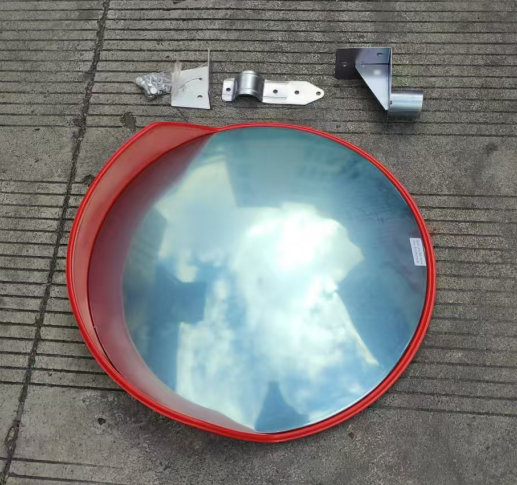
Selecting the appropriate orange cone traffic solution requires careful consideration of multiple factors that directly impact safety, visibility, and regulatory compliance. These essential traffic control devices serve as the frontline defense in protecting workers, pedestrians, and motorists across various construction zones, roadwork areas, and temporary traffic management situations. Understanding the specific requirements for your project ensures optimal performance and adherence to safety standards while maximizing cost-effectiveness and operational efficiency.
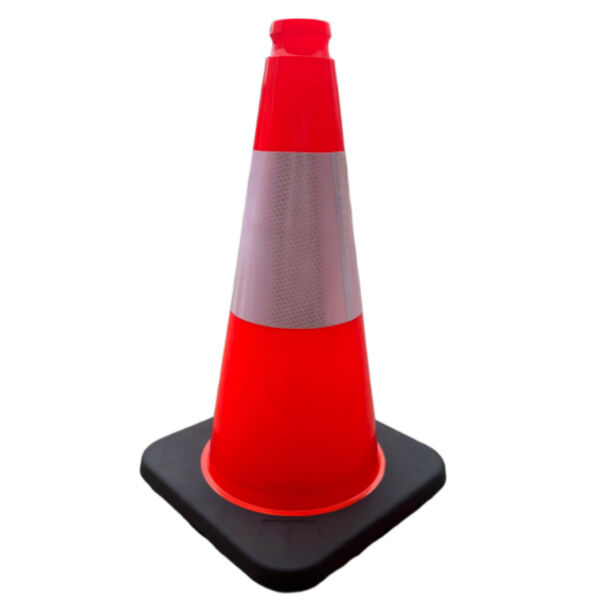
The significance of proper orange cone traffic selection extends beyond basic visibility requirements to encompass durability, stability, and environmental considerations. Modern traffic management demands equipment that can withstand varying weather conditions, vehicle impacts, and prolonged exposure to ultraviolet radiation while maintaining structural integrity throughout extended deployment periods. Professional contractors and safety coordinators must evaluate these critical performance characteristics to ensure reliable protection in dynamic work environments.
Understanding Traffic Cone Specifications and Standards
Height and Weight Requirements
The height specification of orange cone traffic devices directly correlates with their intended application and visibility requirements across different traffic scenarios. Standard heights typically range from 12 inches for pedestrian areas to 36 inches for highway applications, with each size category serving specific safety protocols and regulatory compliance needs. The weight distribution and base diameter significantly influence stability performance, particularly in high-wind conditions or areas with frequent vehicle proximity.
Professional-grade orange cone traffic solutions incorporate weighted bases that provide enhanced stability without compromising portability during setup and removal operations. The optimal weight-to-height ratio ensures adequate ground contact while preventing tip-over incidents that could create additional hazards or reduce effective traffic control coverage. Understanding these specifications helps contractors select appropriate models for their specific deployment requirements and environmental conditions.
Reflective Materials and Visibility Standards
Retroreflective collar specifications represent critical safety components that determine nighttime and low-visibility performance of orange cone traffic installations. High-quality reflective materials utilize microprismatic or glass bead technology to maximize light return efficiency, ensuring consistent visibility across various weather conditions and lighting scenarios. The width and placement of reflective bands directly impact recognition distance and driver response time in traffic management situations.
Industry standards mandate specific reflectivity coefficients and durability ratings for orange cone traffic equipment used in professional applications. These requirements ensure consistent performance throughout the product lifecycle while maintaining compliance with federal and state transportation safety regulations. Contractors should verify that selected products meet or exceed MUTCD specifications and local authority requirements for their intended deployment areas.
Application-Specific Selection Criteria
Construction Zone Requirements
Construction environments present unique challenges that require specialized orange cone traffic solutions designed to withstand heavy equipment operations, dust exposure, and frequent repositioning activities. The selection process must account for equipment compatibility, worker safety protocols, and project duration to ensure optimal performance throughout the construction timeline. Durability considerations become paramount in environments with heavy machinery traffic and potential impact scenarios.
Extended deployment periods in construction zones demand orange cone traffic products with enhanced UV resistance and color retention properties to maintain visibility standards over time. The base material composition and overall construction quality directly influence longevity and replacement frequency, impacting project budgets and maintenance requirements. Professional contractors evaluate these factors to optimize their equipment investments and ensure consistent safety coverage throughout project completion.
Highway and Roadwork Applications
Highway deployment of orange cone traffic devices requires adherence to strict regulatory standards governing height, reflectivity, and spacing requirements established by transportation authorities. High-speed traffic environments demand maximum visibility performance and enhanced stability characteristics to maintain effective traffic control under challenging conditions. The selection process must prioritize products that deliver consistent performance in variable weather and lighting conditions while ensuring worker safety during deployment and retrieval operations.
Wind resistance capabilities become critical factors when selecting orange cone traffic equipment for highway applications where vehicle-induced air currents and natural wind conditions create additional stability challenges. Advanced base designs incorporate aerodynamic principles and weight distribution optimization to minimize displacement while maintaining portability for maintenance crews. These engineering considerations ensure reliable performance in demanding highway environments.
Material Quality and Durability Factors
Construction Materials and Manufacturing
The base material composition of orange cone traffic products significantly impacts their performance characteristics, longevity, and resistance to environmental degradation over extended deployment periods. High-density polyethylene and PVC formulations offer different advantages in terms of flexibility, impact resistance, and temperature stability across various climate conditions. Understanding these material properties helps contractors select products that deliver optimal performance for their specific operating environments and usage patterns.
Manufacturing processes and quality control standards vary significantly among orange cone traffic suppliers, directly affecting product consistency, durability, and overall value proposition. Injection molding techniques, material additives, and assembly methods influence structural integrity and performance reliability throughout the product lifecycle. Professional buyers should evaluate manufacturing credentials and quality certifications to ensure their equipment investments deliver expected performance and longevity.
Weather Resistance and Longevity
UV stabilization treatments and color formulations determine the fade resistance and visibility retention characteristics of orange cone traffic equipment exposed to prolonged sunlight and weather conditions. Advanced polymer additives protect against ultraviolet degradation while maintaining structural flexibility and impact resistance across temperature variations. These protective features directly influence replacement schedules and total cost of ownership for traffic management operations.
Temperature cycling, moisture exposure, and chemical resistance capabilities affect the long-term performance of orange cone traffic devices in various deployment environments. Products designed for professional applications incorporate enhanced material formulations that resist cracking, brittleness, and color degradation under extreme conditions. Evaluating these durability characteristics ensures reliable performance and extends equipment service life while maintaining safety compliance standards.
Safety Features and Performance Characteristics
Stability and Wind Resistance
Base design innovations in modern orange cone traffic products incorporate advanced stability features that minimize displacement while maintaining ease of handling during deployment operations. Weighted ring systems, aerodynamic profiles, and low center-of-gravity configurations work together to provide enhanced stability without compromising portability requirements. These engineering improvements ensure reliable positioning in high-traffic areas and variable weather conditions.
Wind tunnel testing and field validation studies demonstrate the performance advantages of properly designed orange cone traffic equipment under real-world conditions. Advanced base geometries reduce wind loading while maintaining adequate ground contact area for stability across various surface types. Understanding these performance characteristics helps contractors select equipment that delivers consistent positioning reliability throughout their deployment requirements.
Impact Resistance and Recovery
Flexible material construction allows orange cone traffic devices to absorb vehicle impacts without permanent deformation or structural failure that could create safety hazards. Recovery characteristics ensure that products return to their original shape after impact events, maintaining effective traffic control coverage and reducing replacement requirements. These performance features become critical in high-traffic environments where occasional contact incidents are unavoidable.
Energy absorption capabilities and impact distribution properties of orange cone traffic equipment directly influence their survival rates and maintenance requirements in active traffic environments. Advanced material formulations and structural designs maximize impact resistance while maintaining visibility standards and regulatory compliance. Professional contractors evaluate these characteristics to optimize equipment performance and minimize operational disruptions from impact-related failures.
Cost Considerations and Value Analysis
Initial Investment vs Long-term Value
The purchase price of orange cone traffic equipment represents only a portion of the total cost equation when evaluating different product options and supplier alternatives. Durability characteristics, replacement frequency, and maintenance requirements significantly influence the long-term value proposition and total cost of ownership for traffic management operations. Professional buyers must consider these factors to optimize their equipment investments and ensure cost-effective safety coverage.
Bulk purchasing opportunities and volume discounts can provide significant cost advantages for large-scale orange cone traffic deployments while ensuring inventory availability for ongoing project requirements. Standardization on proven product lines simplifies maintenance procedures and replacement part availability while potentially reducing unit costs through supplier relationships. These procurement strategies help organizations optimize their equipment budgets while maintaining safety performance standards.
Maintenance and Replacement Planning
Regular inspection protocols and maintenance schedules help maximize the service life of orange cone traffic equipment while ensuring continued compliance with safety standards and visibility requirements. Proper storage, handling, and cleaning procedures protect equipment investments and maintain performance characteristics throughout multiple deployment cycles. Establishing these operational protocols reduces premature replacement needs and optimizes equipment utilization rates.
Replacement cycle planning based on usage patterns, environmental exposure, and performance degradation helps organizations budget for equipment renewal while maintaining adequate inventory levels. Tracking systems that monitor individual unit performance and condition enable data-driven replacement decisions that optimize cost-effectiveness while ensuring safety compliance. These management approaches help professional contractors maintain reliable orange cone traffic capabilities throughout their operational requirements.
FAQ
What size orange cone traffic should I choose for highway work
Highway applications typically require 28-inch or 36-inch orange cone traffic devices to ensure adequate visibility at high vehicle speeds and comply with MUTCD requirements. The larger size provides better recognition distance and enhanced stability in high-wind conditions common in highway environments. Check local transportation authority specifications as requirements may vary by jurisdiction and specific application type.
How do I determine the appropriate weight for orange cone traffic stability
Base weight should correlate with cone height and expected wind conditions, with heavier bases providing better stability in challenging environments. Most professional-grade orange cone traffic products include weighted bases ranging from 3 to 10 pounds depending on size and application requirements. Consider local wind patterns, vehicle-induced air currents, and handling requirements when selecting appropriate weight specifications.
What reflective collar specifications are required for nighttime visibility
Reflective collars should meet ASTM D4956 Type III or higher specifications for professional orange cone traffic applications requiring nighttime visibility. The collar width typically ranges from 4 to 6 inches depending on cone size, with higher-grade reflective materials providing better performance in low-light conditions. Verify that selected products meet local regulatory requirements for your specific deployment area.
How often should orange cone traffic equipment be replaced
Replacement intervals depend on usage frequency, environmental exposure, and performance degradation, but most professional orange cone traffic equipment requires replacement every 3-5 years under normal conditions. Regular inspections should monitor color retention, structural integrity, and reflective performance to determine optimal replacement timing. Heavy-use applications may require more frequent replacement to maintain safety compliance and visibility standards.