 EN
EN

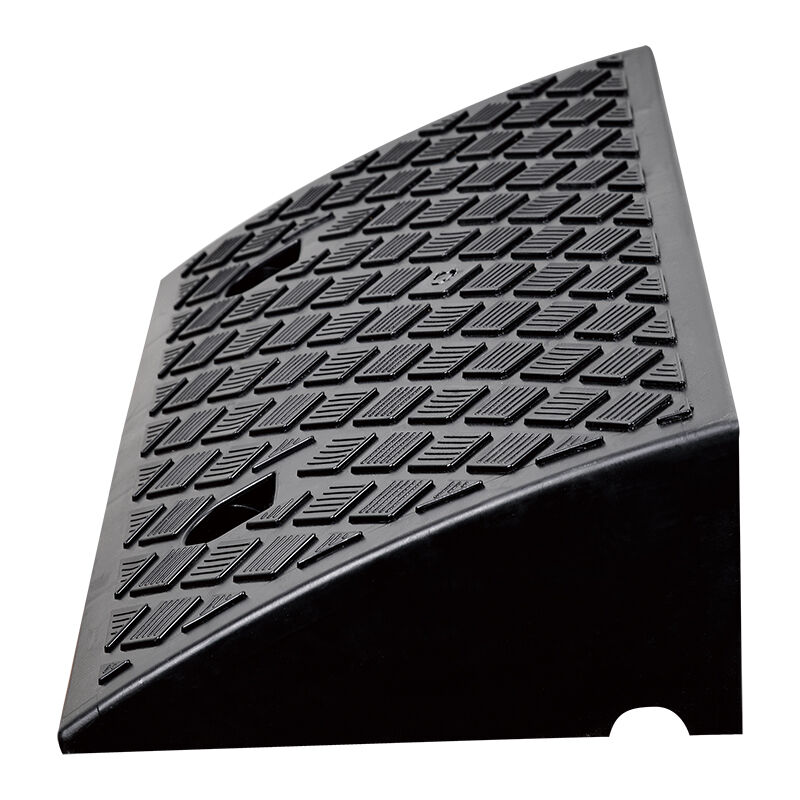
When planning infrastructure improvements or commercial property upgrades, selecting the right driveway curb ramp becomes a critical decision that impacts both functionality and long-term durability. These essential traffic management components serve as the bridge between different surface levels, ensuring smooth vehicle transitions while maintaining safety standards across various applications. Professional buyers and facility managers increasingly recognize that bulk purchasing decisions require careful evaluation of multiple technical and practical factors to maximize investment returns.
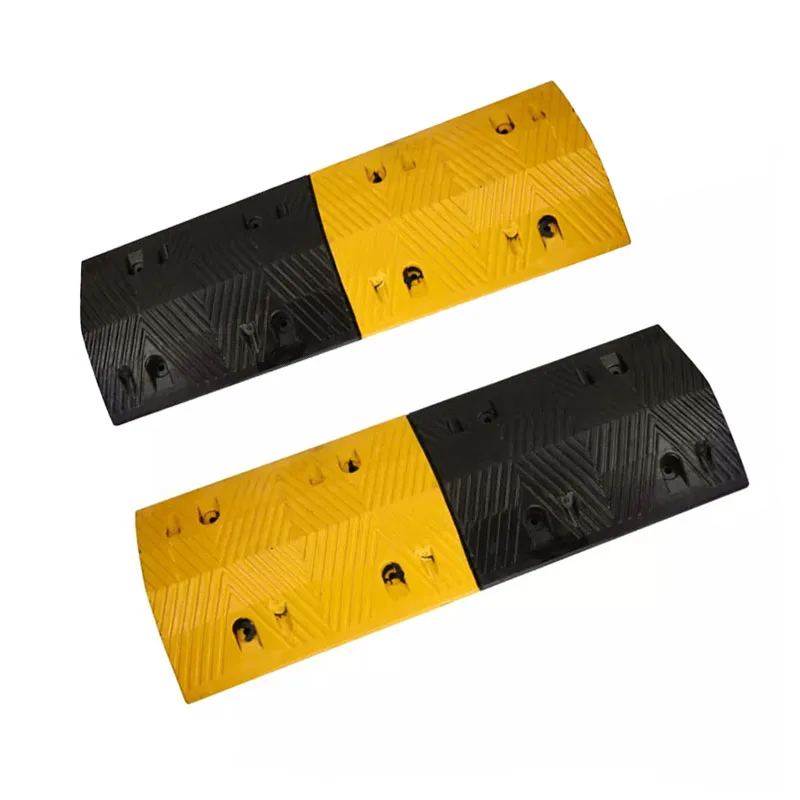
Material Composition and Durability Standards
Rubber Construction Benefits
The material composition of a driveway curb ramp directly influences its performance under varying environmental conditions and traffic loads. High-grade rubber construction offers superior flexibility and impact resistance compared to traditional concrete alternatives. This material choice provides excellent weather resistance, maintaining structural integrity through temperature fluctuations, moisture exposure, and UV radiation. Professional-grade rubber compounds demonstrate remarkable longevity, often exceeding ten years of continuous service in high-traffic commercial applications.
Rubber driveway curb ramp systems also deliver enhanced noise reduction properties, making them particularly suitable for residential areas and noise-sensitive commercial zones. The inherent elasticity of quality rubber materials allows these ramps to absorb vehicle impact forces, reducing wear on both the ramp surface and vehicle suspension systems. This characteristic becomes especially valuable in bulk installations where consistent performance across multiple units is essential for maintaining uniform traffic flow patterns.
Load-Bearing Capacity Considerations
Understanding weight distribution requirements is fundamental when specifying a driveway curb ramp for heavy-duty applications. Commercial-grade units typically support vehicle weights ranging from standard passenger cars to delivery trucks and emergency vehicles. The internal structure design, including reinforcement patterns and wall thickness, determines the maximum load capacity and deflection characteristics under stress. Buyers must evaluate anticipated traffic patterns and vehicle types to ensure adequate safety margins in their specifications.
Dynamic loading conditions create additional stress factors beyond static weight considerations. Repeated loading cycles, acceleration forces, and turning movements all contribute to cumulative wear patterns that affect long-term performance. Quality manufacturers provide comprehensive load testing data and fatigue resistance specifications, enabling informed decisions based on actual application requirements rather than generic capacity claims.
Installation Requirements and Site Preparation
Surface Compatibility Assessment
Successful driveway curb ramp installation begins with thorough surface evaluation and preparation procedures. Asphalt, concrete, and interlocking paver surfaces each present unique challenges and opportunities for secure mounting. Surface texture, grade variations, and drainage patterns influence both installation methods and long-term stability. Professional installers recommend detailed site surveys to identify potential issues before bulk order placement, preventing costly modifications during implementation phases.
Adhesive bonding systems and mechanical fastening options provide different advantages depending on surface conditions and permanence requirements. Removable installations offer flexibility for seasonal use or temporary access modifications, while permanent mounting ensures consistent positioning and enhanced security. The choice between installation methods affects both initial costs and maintenance requirements, making this decision crucial for budget planning and operational efficiency.
Drainage and Water Management
Proper water drainage around any driveway curb ramp installation prevents undermining and extends service life significantly. Standing water creates freeze-thaw damage risks in cold climates while promoting material degradation and safety hazards in all environments. Integrated drainage channels and sloped mounting surfaces direct water flow away from critical stress points, maintaining structural integrity and user safety throughout varying weather conditions.
Advanced driveway curb ramp designs incorporate perforated drainage systems and raised mounting platforms to enhance water management capabilities. These features become particularly important in bulk installations where multiple units must work together to maintain effective drainage patterns across extended areas. Coordinated drainage planning during the design phase prevents water accumulation problems that could compromise the entire installation.
Safety Features and Regulatory Compliance
Visibility Enhancement Systems
High-visibility marking systems are essential components of professional driveway curb ramp installations, particularly in commercial and public access applications. Reflective striping, contrasting color schemes, and integrated lighting options help ensure driver awareness during both day and night conditions. These safety features reduce accident risks while demonstrating compliance with accessibility guidelines and local traffic management regulations.
Retroreflective materials embedded in the driveway curb ramp surface provide passive visibility enhancement without requiring electrical connections or ongoing maintenance. Strategic placement of these materials along approach angles and edge profiles maximizes effectiveness while maintaining durability under vehicle traffic. Quality visibility systems maintain their effectiveness throughout the expected service life, providing consistent safety performance in bulk installations.
ADA Compliance Standards
Americans with Disabilities Act compliance requirements significantly influence driveway curb ramp selection criteria for public and commercial applications. Slope ratios, surface textures, and transition smoothness must meet specific standards to ensure accessibility for wheelchair users and mobility devices. Non-compliant installations create legal liability risks while potentially excluding users from facility access, making proper specification essential for responsible facility management.
Professional-grade driveway curb ramp products often include compliance certifications and detailed specification sheets documenting conformance with relevant accessibility standards. These certifications streamline approval processes while providing documentation for regulatory inspections and insurance requirements. Bulk purchasers benefit from standardized compliance across all units, ensuring consistent accessibility throughout their installations.
Cost Analysis and Bulk Purchasing Benefits
Total Cost of Ownership Evaluation
Comprehensive cost analysis extends beyond initial purchase prices to encompass installation expenses, maintenance requirements, and replacement cycles throughout the expected service life. Premium driveway curb ramp products often deliver superior value through extended durability and reduced maintenance needs, offsetting higher initial costs through lower lifecycle expenses. This total cost perspective becomes crucial when evaluating bulk purchase options and comparing supplier proposals.
Installation efficiency improvements in bulk projects can significantly reduce per-unit labor costs compared to individual installations. Coordinated delivery schedules, standardized mounting procedures, and volume purchasing power create opportunities for substantial cost savings. Professional contractors often provide preferential pricing for larger projects, making bulk purchasing advantageous for both immediate savings and long-term budget planning.
Supplier Relationship Management
Establishing strong relationships with reliable driveway curb ramp manufacturers provides ongoing benefits beyond initial purchase transactions. Quality suppliers offer technical support, installation guidance, and warranty services that add significant value to bulk purchases. These relationships often include preferential pricing for future orders, priority delivery scheduling, and access to new product developments that can enhance facility management capabilities.
Supplier selection criteria should include manufacturing capacity, quality control systems, and customer support capabilities rather than focusing solely on price considerations. Established manufacturers with proven track records provide greater assurance of consistent product quality and reliable delivery schedules. This reliability becomes particularly important in bulk orders where product variations or delivery delays can disrupt entire project timelines and create unexpected costs.
Maintenance and Longevity Factors
Preventive Maintenance Programs
Structured maintenance programs significantly extend driveway curb ramp service life while maintaining optimal performance characteristics throughout the operational period. Regular inspection schedules identify wear patterns, mounting system integrity, and surface condition changes before they develop into costly repair requirements. Preventive maintenance proves especially valuable in bulk installations where systematic approaches can efficiently address multiple units during single service visits.
Cleaning procedures and surface treatments help preserve material properties and maintain safety characteristics over extended periods. Specialized cleaning compounds remove contaminants that could accelerate wear while preserving flexibility and grip characteristics essential for safe vehicle operation. Professional maintenance programs often include documentation systems that track individual unit condition and predict replacement timing for budget planning purposes.
Replacement Planning Strategies
Strategic replacement planning allows facility managers to maintain consistent performance across their driveway curb ramp installations while optimizing maintenance budgets. Systematic condition monitoring identifies units approaching end-of-service life, enabling planned replacements rather than emergency repairs. This approach minimizes operational disruptions while taking advantage of bulk purchasing opportunities for replacement units.
Standardizing on specific driveway curb ramp models and suppliers simplifies replacement planning while ensuring compatibility with existing installations. Inventory management systems can track usage patterns and predict replacement needs based on traffic volumes and environmental conditions. This data-driven approach optimizes replacement timing and purchasing decisions, maximizing value from bulk procurement strategies.
FAQ
What is the typical lifespan of a commercial-grade driveway curb ramp
Commercial-grade driveway curb ramp units constructed from high-quality rubber materials typically provide 8-12 years of reliable service under normal traffic conditions. Lifespan varies based on traffic volume, vehicle types, environmental conditions, and maintenance practices. Heavy-duty installations in high-traffic areas may require replacement every 6-8 years, while light commercial applications often exceed 12 years of service life with proper maintenance.
How do bulk purchase quantities affect pricing and delivery schedules
Bulk purchases typically offer 15-30% cost savings compared to individual unit pricing, with larger quantities providing greater discounts. Most manufacturers consider orders of 50 or more units as bulk purchases eligible for volume pricing. Delivery schedules for bulk orders range from 2-6 weeks depending on quantity and customization requirements, with standard products shipping faster than custom configurations.
What installation methods work best for permanent driveway curb ramp applications
Permanent installations typically utilize mechanical fastening systems with concrete anchors or structural adhesives rated for exterior use. Mechanical fastening provides the strongest connection and allows for future removal if necessary, while adhesive systems offer smooth surface integration and simplified installation. Surface preparation quality significantly impacts installation success, requiring clean, dry conditions for optimal bonding strength.
Are there specific safety certifications required for commercial driveway curb ramp installations
Commercial installations must comply with local building codes, ADA accessibility requirements, and relevant safety standards such as ANSI/ACPA specifications. Many jurisdictions require products to meet specific load ratings and slip resistance values. Professional-grade driveway curb ramp products typically include certifications documenting compliance with applicable standards, simplifying approval processes and ensuring regulatory compliance throughout the installation.
Table of Contents
- Material Composition and Durability Standards
- Installation Requirements and Site Preparation
- Safety Features and Regulatory Compliance
- Cost Analysis and Bulk Purchasing Benefits
- Maintenance and Longevity Factors
-
FAQ
- What is the typical lifespan of a commercial-grade driveway curb ramp
- How do bulk purchase quantities affect pricing and delivery schedules
- What installation methods work best for permanent driveway curb ramp applications
- Are there specific safety certifications required for commercial driveway curb ramp installations