 EN
EN

Commercial facilities across various industries face ongoing challenges in ensuring smooth vehicle access and compliance with accessibility standards. Driveway curb ramps have emerged as essential infrastructure solutions that address these concerns while providing practical benefits for businesses of all sizes. These specialized access solutions create seamless transitions between different elevation levels, eliminating barriers that can impede vehicle movement and create safety hazards in commercial environments.
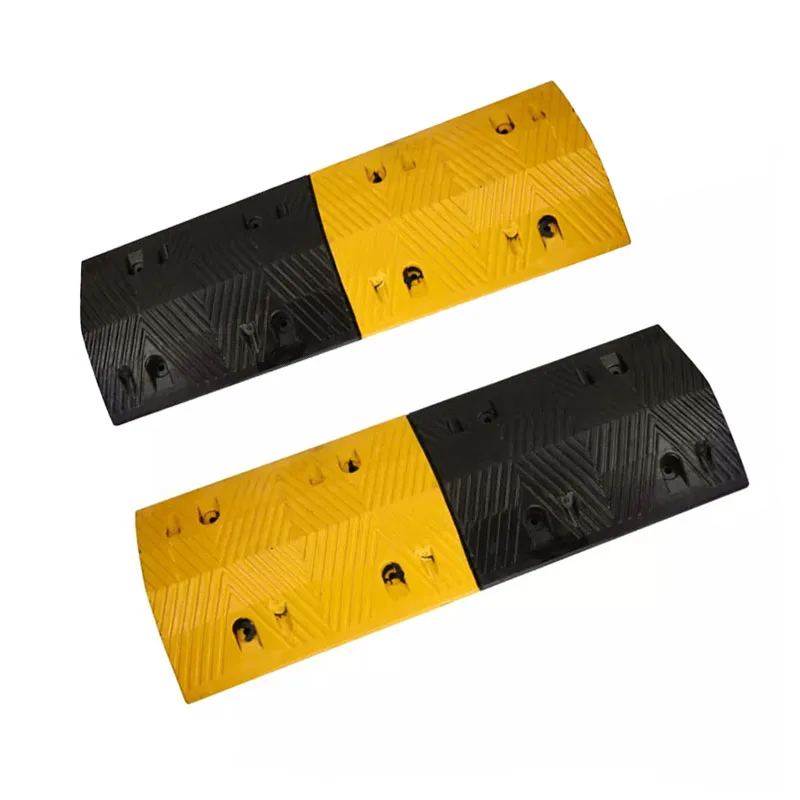
The implementation of proper access infrastructure has become increasingly critical as businesses strive to meet regulatory requirements while optimizing operational efficiency. Modern commercial facilities require solutions that accommodate diverse vehicle types, from delivery trucks to emergency vehicles, while maintaining safety standards throughout daily operations. Understanding the comprehensive benefits of driveway curb ramps enables facility managers to make informed decisions about infrastructure investments that deliver long-term value.
Understanding Commercial Access Requirements
Regulatory Compliance and Standards
Commercial facilities must adhere to strict accessibility guidelines established by the Americans with Disabilities Act and local building codes. These regulations mandate specific requirements for vehicle access points, including proper slope ratios and surface materials that ensure safe navigation for all users. Driveway curb ramps play a crucial role in meeting these compliance standards by providing standardized access solutions that eliminate elevation barriers.
Facility managers must consider various regulatory aspects when planning access improvements, including load-bearing requirements, drainage specifications, and emergency vehicle access protocols. Professional-grade access solutions ensure that commercial properties maintain compliance while providing reliable performance under heavy usage conditions. Regular inspections and maintenance of these systems help facilities avoid potential liability issues while maintaining operational standards.
Vehicle Type Considerations
Different commercial environments accommodate various vehicle types, each with specific access requirements that must be addressed through appropriate infrastructure design. Delivery trucks, service vehicles, and emergency responders all require reliable access points that can handle their weight and dimensional specifications. Driveway curb ramps must be engineered to support these diverse operational demands while maintaining structural integrity over time.
Loading zones and service areas particularly benefit from well-designed access solutions that facilitate efficient operations while minimizing wear and tear on vehicles. The proper selection and installation of access ramps ensures that commercial facilities can accommodate their intended vehicle traffic without compromising safety or operational efficiency. Strategic placement of these systems optimizes traffic flow while reducing maintenance requirements across the facility.
Safety Enhancement Through Proper Access Design
Accident Prevention Strategies
Inadequate access infrastructure contributes significantly to vehicle-related incidents in commercial environments, making proper design essential for comprehensive safety management. Sharp elevation changes and poorly maintained transitions create hazards that can result in vehicle damage, cargo spills, and potential injuries to drivers and pedestrians. High-quality driveway curb ramps eliminate these risk factors by providing smooth, controlled transitions that enhance overall facility safety.
Visibility and surface texture play critical roles in accident prevention, particularly in areas with heavy vehicle traffic or challenging weather conditions. Professional access solutions incorporate design features that improve traction and provide clear visual guidance for drivers navigating transition areas. These safety enhancements reduce the likelihood of incidents while supporting efficient vehicle operations throughout the facility.
Emergency Access Considerations
Emergency vehicle access represents a critical safety consideration that directly impacts facility compliance and occupant protection in crisis situations. Fire trucks, ambulances, and other emergency responders require unobstructed access to all areas of commercial properties, making reliable infrastructure essential for emergency preparedness. Driveway curb ramps ensure that emergency vehicles can navigate facility access points without delay or difficulty during critical response situations.
The strategic placement of access solutions must account for emergency vehicle turning radiuses, weight requirements, and approach angles specified in local fire codes and safety regulations. Facilities that invest in properly designed access infrastructure demonstrate their commitment to occupant safety while avoiding potential penalties associated with non-compliance. Regular coordination with local emergency services helps ensure that access solutions meet current operational requirements and standards.
Operational Efficiency Benefits
Traffic Flow Optimization
Smooth vehicle movement throughout commercial facilities directly impacts operational efficiency and productivity across various business functions. Driveway curb ramps eliminate bottlenecks and delays associated with navigating elevation changes, allowing vehicles to maintain consistent speeds and reduce overall transit times. This improved flow benefits delivery schedules, service operations, and general facility access while minimizing fuel consumption and vehicle wear.
Strategic placement of access solutions creates logical traffic patterns that reduce congestion and improve safety throughout the facility. Well-designed access infrastructure supports efficient loading and unloading operations while maintaining clear pathways for through traffic. These operational improvements translate into measurable cost savings through reduced vehicle maintenance, improved delivery times, and enhanced overall productivity.
Maintenance and Durability Factors
Long-term operational efficiency depends heavily on the durability and maintenance requirements of access infrastructure installed throughout commercial facilities. High-quality driveway curb ramps manufactured from robust materials provide years of reliable service with minimal maintenance intervention. This durability reduces ongoing operational costs while ensuring consistent performance under heavy usage conditions typical in commercial environments.
Weather resistance and load-bearing capacity represent critical factors in selecting access solutions that will provide long-term value for commercial facilities. Professional-grade materials resist degradation from temperature extremes, moisture exposure, and chemical contact commonly encountered in commercial operations. Regular inspection and maintenance protocols help maximize the service life of these systems while maintaining optimal performance standards.
Installation and Implementation Strategies
Site Assessment and Planning
Successful implementation of access improvements begins with comprehensive site assessment that identifies specific requirements and constraints unique to each commercial facility. Professional evaluation considers factors such as existing drainage systems, soil conditions, traffic patterns, and regulatory requirements that influence the design and placement of driveway curb ramps. This thorough planning process ensures that access solutions integrate seamlessly with existing infrastructure while meeting operational needs.
Detailed measurements and load calculations help determine the appropriate specifications for access solutions that will provide reliable long-term performance. Site-specific considerations such as slope requirements, drainage integration, and utility clearances must be addressed during the planning phase to avoid complications during installation. Professional consultation ensures that all relevant factors are considered in developing an effective access improvement strategy.
Professional Installation Benefits
Professional installation services ensure that driveway curb ramps are properly positioned and secured according to manufacturer specifications and industry best practices. Experienced installers understand the technical requirements for achieving optimal performance while maintaining compliance with relevant safety and building codes. This expertise prevents common installation errors that can compromise system performance or create safety hazards over time.
Quality installation practices include proper surface preparation, adhesive application, and finishing techniques that maximize the service life of access solutions. Professional teams have access to specialized tools and materials required for achieving secure, long-lasting installations that withstand heavy commercial usage. The investment in professional installation services pays dividends through improved system performance and reduced maintenance requirements throughout the product lifecycle.
Cost-Benefit Analysis for Commercial Facilities
Initial Investment Considerations
The initial cost of implementing comprehensive access improvements must be evaluated against the long-term benefits and potential costs of maintaining inadequate infrastructure. Driveway curb ramps represent a relatively modest investment compared to the potential expenses associated with vehicle damage, liability claims, and regulatory non-compliance issues. Facility managers who prioritize proper access infrastructure often realize significant cost savings through reduced maintenance and improved operational efficiency.
Budget planning for access improvements should consider factors such as facility size, traffic volume, and specific operational requirements that influence the scope and complexity of required solutions. Phased implementation strategies allow facilities to spread costs over time while addressing the most critical access needs first. Strategic investment in quality access solutions provides measurable returns through improved safety, compliance, and operational performance.
Long-term Value Proposition
The long-term value of professional access solutions extends beyond immediate operational benefits to include enhanced property value and reduced liability exposure. Commercial properties with well-designed access infrastructure appeal to tenants and customers who value safety and convenience in their business environments. Driveway curb ramps contribute to positive first impressions while supporting efficient operations that benefit all facility users.
Insurance benefits and reduced maintenance costs further enhance the value proposition of investing in quality access infrastructure. Facilities with proper safety systems often qualify for reduced insurance premiums while avoiding costly repairs associated with vehicle damage and pedestrian incidents. These financial benefits accumulate over time, making access improvements a sound investment for forward-thinking facility managers and property owners.
Industry-Specific Applications
Retail and Shopping Centers
Retail environments require seamless access solutions that accommodate customer vehicles, delivery trucks, and service vehicles while maintaining attractive aesthetics that support the shopping experience. Driveway curb ramps in retail settings must balance functionality with visual appeal, providing reliable performance without detracting from the overall property appearance. Strategic placement of access solutions ensures efficient traffic flow while minimizing disruption to customer access and parking operations.
Loading dock areas and service entrances particularly benefit from properly designed access infrastructure that facilitates efficient merchandise delivery while maintaining safety standards. Retail facilities must accommodate frequent deliveries from various vehicle types, making reliable access solutions essential for operational efficiency. Well-designed access systems reduce delivery times while minimizing the risk of vehicle damage or merchandise handling issues.
Industrial and Manufacturing Facilities
Industrial environments present unique challenges for access infrastructure due to heavy vehicle traffic, specialized equipment, and stringent safety requirements typical in manufacturing operations. Driveway curb ramps in industrial settings must withstand constant heavy usage while providing reliable performance under challenging conditions including exposure to chemicals, temperature extremes, and mechanical stress. These demanding environments require access solutions engineered specifically for industrial applications.
Material handling efficiency and equipment access represent critical factors in industrial facility design, where access solutions directly impact productivity and operational costs. Forklifts, heavy trucks, and specialized machinery require smooth transitions that minimize wear and tear while maintaining operational efficiency. Strategic implementation of access infrastructure supports lean manufacturing principles while ensuring compliance with occupational safety regulations and industry standards.
FAQ
What factors should be considered when selecting driveway curb ramps for commercial use
Commercial facilities should evaluate load-bearing requirements, vehicle types, traffic volume, and environmental conditions when selecting access solutions. Material durability, installation requirements, and compliance with local building codes represent additional critical factors that influence product selection. Professional consultation helps ensure that chosen solutions meet specific facility requirements while providing optimal long-term performance and value.
How do driveway curb ramps contribute to ADA compliance in commercial facilities
Properly designed access ramps eliminate elevation barriers that can impede wheelchair access and violate accessibility requirements established by federal and local regulations. These solutions provide smooth transitions that meet specified slope ratios and surface requirements mandated by ADA guidelines. Regular maintenance and professional installation ensure ongoing compliance while supporting inclusive access for all facility users regardless of mobility limitations.
What maintenance requirements are associated with commercial-grade access ramps
High-quality driveway curb ramps require minimal maintenance when properly installed and manufactured from durable materials designed for commercial applications. Regular visual inspections help identify potential issues before they compromise system performance or safety. Periodic cleaning and debris removal maintain optimal surface conditions while extending the service life of access infrastructure throughout the facility.
How do access improvements impact commercial property insurance and liability
Professional access infrastructure demonstrates proactive safety management that can positively influence insurance premiums and coverage options for commercial properties. Well-designed driveway curb ramps reduce the likelihood of vehicle-related incidents that could result in liability claims or regulatory penalties. Insurance providers often recognize facilities that invest in proper safety infrastructure through reduced premiums and favorable coverage terms that benefit long-term operational costs.
Table of Contents
- Understanding Commercial Access Requirements
- Safety Enhancement Through Proper Access Design
- Operational Efficiency Benefits
- Installation and Implementation Strategies
- Cost-Benefit Analysis for Commercial Facilities
- Industry-Specific Applications
-
FAQ
- What factors should be considered when selecting driveway curb ramps for commercial use
- How do driveway curb ramps contribute to ADA compliance in commercial facilities
- What maintenance requirements are associated with commercial-grade access ramps
- How do access improvements impact commercial property insurance and liability