 EN
EN

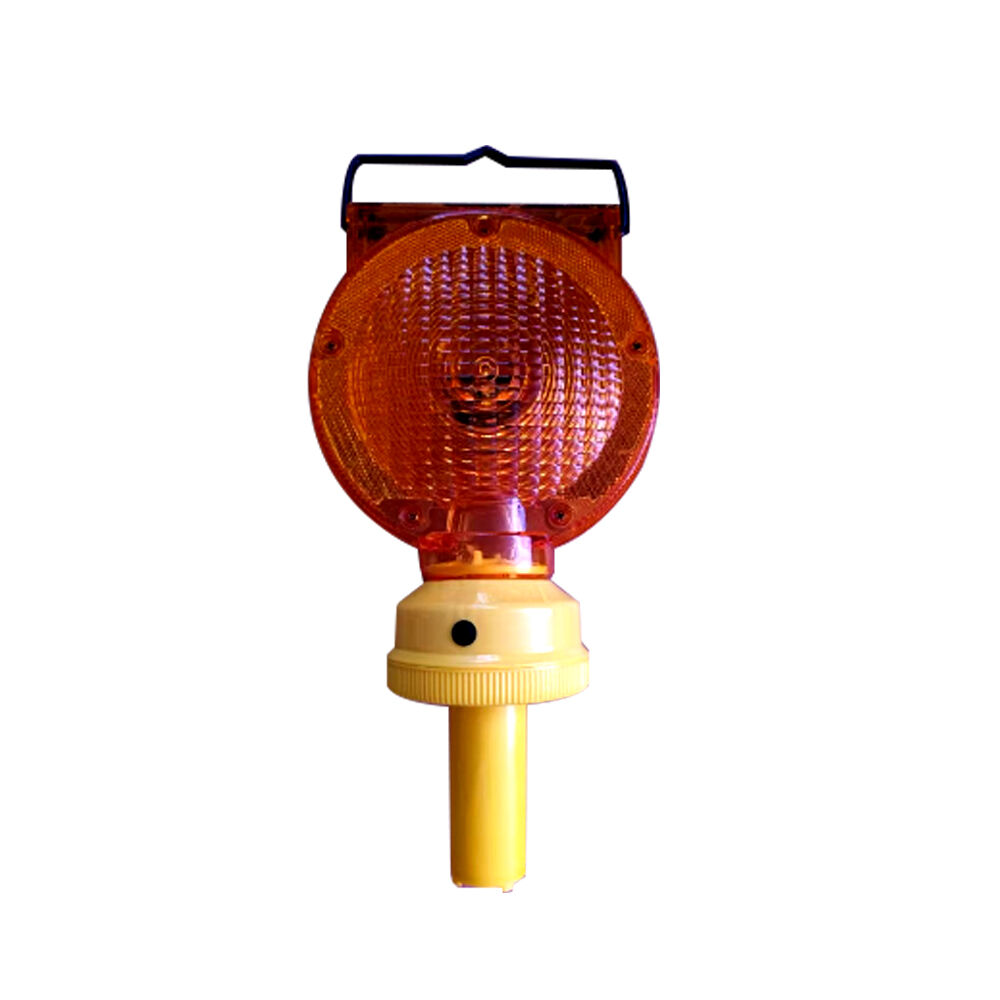
Traffic management requires reliable, visible, and durable equipment to ensure safety and organization across various environments. Orange cone traffic solutions have become the industry standard for directing vehicle flow, marking temporary boundaries, and maintaining order in both planned and emergency situations. These versatile safety devices serve critical functions in parking facilities, construction zones, event venues, and emergency response scenarios where clear visual guidance prevents accidents and confusion.

The effectiveness of orange cone traffic management stems from years of research into visibility science and human psychology. The bright orange color provides maximum contrast against most road surfaces and backgrounds, making these cones immediately recognizable to drivers and pedestrians. Professional traffic control specialists rely on these devices to create temporary traffic patterns, redirect vehicles around obstacles, and establish safe work zones that protect both workers and the traveling public.
Essential Functions of Orange Cone Traffic Systems
Parking Lot Organization and Flow Control
Modern parking facilities depend on orange cone traffic solutions to manage vehicle movement during peak hours, special events, and maintenance activities. Shopping centers, airports, hospitals, and corporate campuses use these cones to create temporary lanes, reserve spaces for specific purposes, and guide drivers toward available parking areas. The strategic placement of orange cone traffic markers helps reduce congestion, minimize confusion, and prevent accidents in busy parking environments.
Parking managers utilize orange cone traffic systems to implement dynamic parking strategies that adapt to changing demands throughout the day. During morning rush hours, cones might direct commuters to specific sections, while evening events require different traffic patterns to accommodate larger crowds. The portability and quick deployment of these traffic control devices make them ideal for facilities that need flexible parking management solutions.
Emergency Response and Incident Management
Emergency responders rely heavily on orange cone traffic equipment to secure accident scenes, create safe working perimeters, and maintain traffic flow around incidents. Police officers, fire departments, and emergency medical services use these cones to establish control zones that protect first responders while allowing necessary vehicle access. The immediate recognition factor of orange cone traffic markers helps drivers understand and comply with temporary traffic modifications during critical situations.
Hospital emergency departments and urgent care facilities use orange cone traffic systems to manage patient drop-off areas, ambulance access, and visitor parking during high-volume periods. These applications demonstrate how versatile traffic cones adapt to specialized needs while maintaining consistent safety standards across different emergency scenarios.
Technical Specifications and Performance Standards
Material Construction and Durability Requirements
Professional-grade orange cone traffic products must withstand harsh environmental conditions, repeated impacts, and prolonged exposure to ultraviolet radiation. High-quality traffic cones feature flexible yet resilient polymer construction that allows them to bend under vehicle impact without breaking or losing their shape. The base weight distribution ensures stability in various weather conditions, from high winds to heavy rain that might topple inferior products.
The manufacturing process for reliable orange cone traffic equipment involves precise color formulation to maintain visibility standards over extended periods. UV-resistant compounds prevent fading and discoloration that could compromise the safety effectiveness of these critical traffic control devices. Industry standards require specific thickness measurements, flexibility ratings, and impact resistance criteria that separate professional-grade cones from consumer alternatives.
Reflective Elements and Visibility Enhancement
Retroreflective tape or bands significantly enhance the nighttime visibility of orange cone traffic installations. These reflective elements redirect vehicle headlight illumination back toward drivers, creating a bright, attention-grabbing effect that remains effective even in low-light conditions. The placement, width, and quality of reflective materials directly impact the overall safety performance of traffic cone systems.
Advanced orange cone traffic solutions incorporate multiple reflective bands at strategic heights to maximize visibility from various vehicle angles and distances. The retroreflective technology meets or exceeds federal regulations for traffic control devices, ensuring consistent performance across different lighting conditions and weather scenarios that traffic management professionals encounter daily.
Strategic Placement and Configuration Methods
Spacing Calculations for Optimal Safety
Effective orange cone traffic deployment requires careful consideration of spacing intervals that provide adequate warning distance while maintaining clear directional guidance. Traffic engineering principles determine optimal cone placement based on vehicle speeds, roadway conditions, and the type of traffic modification being implemented. Standard spacing formulas account for driver reaction time, braking distance, and lateral movement requirements that ensure safe navigation around temporary traffic control zones.
Professional traffic control supervisors use established guidelines to calculate orange cone traffic spacing for different scenarios, from low-speed parking lot applications to high-speed highway work zones. The spacing between consecutive cones creates a visual pathway that guides drivers smoothly through altered traffic patterns without sudden movements or confusion that could lead to accidents.
Pattern Development for Complex Traffic Scenarios
Large-scale events, construction projects, and emergency situations often require sophisticated orange cone traffic patterns that accommodate multiple vehicle types, pedestrian crossings, and equipment access needs. Traffic control specialists develop detailed deployment plans that consider traffic volume, peak flow periods, and contingency requirements for changing conditions throughout the project duration.
The design process for complex orange cone traffic configurations involves site surveys, traffic studies, and coordination with local authorities to ensure compliance with safety regulations. These comprehensive planning efforts result in traffic control systems that minimize disruption while maintaining safety standards that protect workers, drivers, and pedestrians in challenging environments.
Industry Applications and Use Cases
Construction Zone Safety Management
Construction companies utilize orange cone traffic systems as fundamental components of their safety protocols, creating protected work areas that separate heavy equipment operations from public traffic. Road construction, utility work, and building projects require clearly defined boundaries that prevent unauthorized access while allowing necessary vehicle movement for project operations. The mobility and quick setup of orange cone traffic barriers make them essential tools for dynamic construction environments.
Highway construction projects depend on extensive orange cone traffic installations to guide vehicles through lane shifts, speed reductions, and temporary detours that accommodate ongoing work activities. These applications require precise coordination between traffic control supervisors and construction crews to maintain safety while minimizing delays for traveling motorists who must navigate through work zone traffic patterns.
Special Event Traffic Direction
Concert venues, sports stadiums, festivals, and community gatherings rely on orange cone traffic management to handle the surge of vehicles arriving and departing during events. These temporary installations create organized traffic flow patterns that prevent congestion, guide visitors to designated parking areas, and facilitate emergency vehicle access when needed. Event organizers work closely with local traffic authorities to develop comprehensive traffic control plans using orange cone traffic systems.
The versatility of orange cone traffic equipment allows event managers to adapt traffic patterns throughout different phases of events, from early arrival periods with light traffic to peak exodus times when thousands of vehicles leave simultaneously. This flexibility ensures smooth traffic operations that enhance the overall event experience while maintaining safety standards for all participants.
Maintenance and Storage Best Practices
Cleaning and Inspection Protocols
Regular maintenance extends the service life of orange cone traffic equipment while ensuring optimal visibility and safety performance. Cleaning procedures remove dirt, debris, and road film that can reduce the effectiveness of both the orange color and reflective elements. Professional traffic control organizations implement systematic inspection schedules that identify wear patterns, damage, or deterioration before these issues compromise safety effectiveness.
The inspection process for orange cone traffic inventory includes checking base stability, body flexibility, reflective tape condition, and overall structural integrity. Damaged or worn cones require immediate replacement to maintain consistent safety standards across all traffic control applications. Documentation of maintenance activities helps organizations track equipment lifecycle and plan replacement schedules that prevent safety compromises.
Storage Solutions and Inventory Management
Proper storage protects orange cone traffic equipment from environmental damage and extends operational lifespan while maintaining organized inventory systems. Indoor storage facilities protect cones from prolonged UV exposure, extreme temperatures, and precipitation that can accelerate wear and reduce effectiveness. Stacking systems and storage racks optimize space utilization while preventing damage from improper handling or storage pressure.
Inventory management systems track orange cone traffic equipment availability, deployment locations, and maintenance schedules to ensure adequate supplies for planned projects and emergency responses. Digital tracking methods help organizations maintain optimal inventory levels while identifying usage patterns that inform purchasing decisions and equipment allocation strategies.
Regulatory Compliance and Safety Standards
Federal and State Requirements
Orange cone traffic equipment must comply with specific federal regulations established by the Manual on Uniform Traffic Control Devices and state transportation departments that govern traffic control device specifications. These requirements address color standards, size specifications, reflectivity ratings, and performance criteria that ensure consistent safety effectiveness across different jurisdictions and applications.
Compliance verification involves regular testing of orange cone traffic products to confirm they meet or exceed established performance standards for visibility, durability, and retroreflectivity. Organizations using traffic control equipment must maintain documentation proving their devices meet applicable regulations, particularly for projects involving public roadways or federally funded construction activities.
Liability Considerations and Risk Management
The selection and deployment of orange cone traffic equipment carries significant liability implications for organizations responsible for traffic control operations. Insurance requirements, safety protocols, and risk management strategies must address the proper use, maintenance, and replacement of traffic control devices to minimize exposure to accident-related claims and regulatory violations.
Professional traffic control companies implement comprehensive safety management systems that document proper orange cone traffic deployment procedures, maintenance records, and staff training programs. These systematic approaches demonstrate due diligence in safety management while providing legal protection against claims related to traffic control equipment failures or improper usage.
FAQ
How long do orange cone traffic devices typically last in regular use
Professional-grade orange cone traffic equipment typically provides 3-5 years of reliable service under normal usage conditions, though lifespan varies significantly based on environmental exposure, frequency of deployment, and handling practices. High-traffic applications or harsh weather conditions may reduce service life, while indoor storage and careful handling can extend operational periods. Regular inspection helps identify when replacement is necessary to maintain safety effectiveness.
What weight specifications are recommended for different orange cone traffic applications
Standard orange cone traffic applications typically use 3-7 pound cones for parking lots and low-speed areas, while highway and high-wind environments require 7-10 pound models for enhanced stability. The base weight selection depends on expected wind conditions, vehicle speeds, and duration of deployment. Heavier bases provide better stability but increase transportation and handling requirements for traffic control crews.
Are there specific regulations for reflective tape placement on orange cone traffic equipment
Federal regulations specify minimum retroreflective requirements for orange cone traffic devices used on public roadways, typically requiring 4-6 inch white reflective bands positioned at specific heights on the cone body. The number and placement of reflective elements depend on cone height and intended application. State transportation departments may have additional requirements that exceed federal minimums for enhanced visibility and safety performance.
How should orange cone traffic equipment be transported and deployed safely
Safe transportation of orange cone traffic equipment requires secure loading methods that prevent movement during transit, appropriate vehicle marking for safety, and trained personnel familiar with deployment procedures. Deployment should follow established traffic control protocols with proper advance warning, adequate worker protection, and systematic placement patterns. Removal procedures must maintain safety standards while efficiently clearing traffic control zones after project completion.
Table of Contents
- Essential Functions of Orange Cone Traffic Systems
- Technical Specifications and Performance Standards
- Strategic Placement and Configuration Methods
- Industry Applications and Use Cases
- Maintenance and Storage Best Practices
- Regulatory Compliance and Safety Standards
-
FAQ
- How long do orange cone traffic devices typically last in regular use
- What weight specifications are recommended for different orange cone traffic applications
- Are there specific regulations for reflective tape placement on orange cone traffic equipment
- How should orange cone traffic equipment be transported and deployed safely