 EN
EN

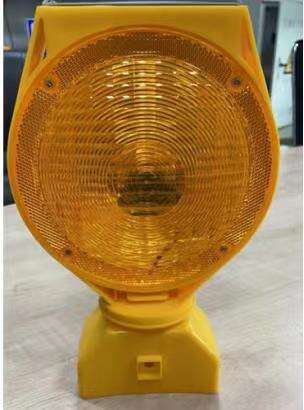
Municipal road projects require effective traffic management solutions to ensure both worker safety and seamless traffic flow. Orange cone traffic systems have emerged as the cornerstone of modern construction zone management, providing essential visibility and guidance for drivers navigating work areas. These highly visible markers create clear boundaries between active construction zones and vehicle pathways, significantly reducing accident risks and improving project efficiency. The strategic placement of orange cone traffic devices has become standard practice across municipalities worldwide, transforming how road construction and maintenance projects are executed.
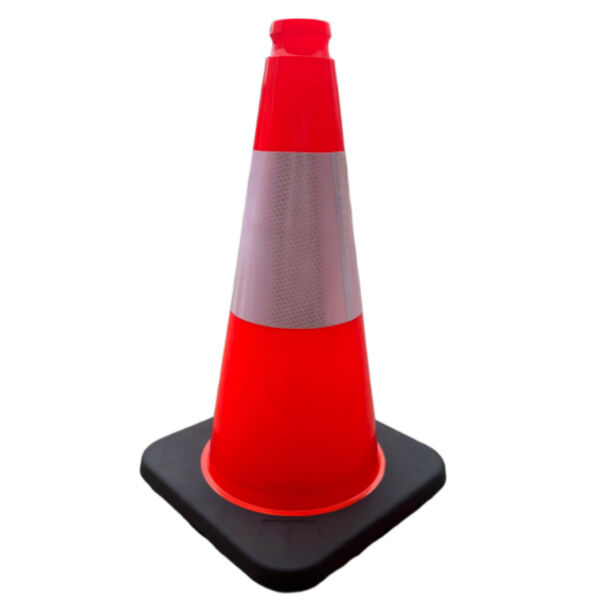
The effectiveness of orange cone traffic management extends beyond simple visual barriers, encompassing comprehensive safety protocols that protect both construction crews and motorists. Modern municipal projects demand sophisticated traffic control measures that adapt to varying road conditions, weather patterns, and traffic volumes. Professional-grade traffic cones with enhanced reflective properties ensure continuous visibility during nighttime operations and adverse weather conditions. Municipal engineers increasingly rely on standardized orange cone traffic configurations to maintain consistent safety standards across multiple project sites simultaneously.
Essential Components of Effective Orange Cone Traffic Systems
High-Visibility Reflective Materials
The foundation of successful orange cone traffic management lies in superior reflective technology that maximizes visibility under all lighting conditions. Advanced retroreflective materials incorporated into modern traffic cones create brilliant illumination when vehicle headlights strike their surfaces. These specialized materials maintain their reflective properties through extended exposure to ultraviolet radiation, moisture, and temperature fluctuations common in outdoor environments. Municipal specifications typically require orange cone traffic devices to meet or exceed MUTCD standards for retroreflectivity performance.
Quality reflective collars positioned at optimal heights on traffic cones ensure maximum visibility from various vehicle types and driver eye levels. The strategic placement of reflective elements creates a continuous visual guide that helps drivers maintain proper lane positioning while navigating construction zones. Professional orange cone traffic systems incorporate multiple reflective bands to enhance visibility from both approaching and departing vehicles, providing comprehensive coverage for complex work zone configurations.
Durable Base Construction
The stability of orange cone traffic systems depends heavily on robust base construction that withstands wind forces, vehicle proximity, and environmental stressors. Heavy-duty rubber bases provide optimal weight distribution while maintaining flexibility for safe vehicle contact scenarios. These engineered bases resist cracking, splitting, and UV degradation that can compromise cone stability over extended deployment periods. Municipal procurement specifications emphasize base durability as a critical factor in orange cone traffic system longevity and performance reliability.
Advanced base designs incorporate features such as integrated handles for easy transportation and deployment, while maintaining the structural integrity necessary for consistent performance. The weight distribution characteristics of professional-grade bases ensure that orange cone traffic devices remain upright under normal wind conditions while yielding safely when contacted by vehicles. This balanced approach to base engineering maximizes both safety and operational efficiency in municipal road project applications.
Strategic Deployment Methodologies for Municipal Projects
Traffic Flow Analysis and Cone Placement
Effective orange cone traffic deployment requires comprehensive analysis of existing traffic patterns, peak usage periods, and projected construction activities. Municipal traffic engineers conduct detailed assessments to determine optimal cone spacing, transition zone lengths, and merge point configurations that minimize disruption while maximizing safety. These analyses consider factors such as posted speed limits, traffic volumes, and sight distance requirements to create customized orange cone traffic plans for each project location.
Professional deployment strategies incorporate graduated cone spacing that provides adequate warning distance for approaching vehicles while maintaining efficient use of available road space. The systematic arrangement of orange cone traffic devices creates clear visual guidance that helps drivers understand lane changes, speed reductions, and work zone boundaries well in advance of critical decision points. Municipal standards typically specify minimum cone spacing intervals based on posted speed limits and local traffic conditions to ensure consistent safety performance.
Adaptive Configuration for Different Project Types
Municipal road projects encompass diverse activities ranging from routine maintenance to major reconstruction efforts, each requiring specialized orange cone traffic configurations. Short-term maintenance operations may utilize temporary cone arrangements that can be quickly deployed and removed, while long-term construction projects benefit from more permanent traffic control installations. The flexibility of modern orange cone traffic systems allows municipal crews to adapt configurations as project phases progress and work zone requirements evolve.
Complex intersection projects demand sophisticated orange cone traffic arrangements that maintain safe traffic flow through multiple conflicting movements while protecting active work areas. These configurations often incorporate multiple cone lines, channelization devices, and coordinated signal timing to manage complex traffic patterns effectively. Municipal project managers rely on proven orange cone traffic deployment protocols that have been tested and refined through extensive field experience across similar project types and traffic conditions.
Safety Enhancement Through Proper Orange Cone Traffic Implementation
Worker Protection Protocols
The primary objective of orange cone traffic systems extends beyond traffic management to encompass comprehensive worker protection throughout municipal road projects. Properly deployed traffic cones create clearly defined work zones that establish positive separation between construction activities and vehicle traffic. These protected areas allow construction crews to perform their tasks with confidence while maintaining awareness of nearby traffic movements. Municipal safety protocols emphasize the critical role of orange cone traffic systems in reducing work zone accidents and improving overall project safety performance.
Advanced safety implementations incorporate multiple layers of orange cone traffic protection, including advance warning areas, transition zones, and activity areas that provide graduated levels of separation from traffic flow. These multi-zone configurations allow construction crews to work efficiently while maintaining maximum protection from errant vehicles or unexpected traffic incidents. Regular safety assessments ensure that orange cone traffic arrangements continue to provide adequate protection as project conditions and traffic patterns evolve throughout construction phases.
Driver Communication and Guidance
Effective orange cone traffic systems function as communication tools that convey critical information to approaching drivers about upcoming road conditions and required actions. The visual language created by systematic cone placement helps drivers understand complex work zone layouts without requiring detailed signage or verbal instruction. Consistent orange cone traffic configurations across multiple project sites create familiarity that improves driver response and reduces confusion in construction zones.
Professional-grade traffic cones with enhanced visibility features ensure that driver communication remains effective under challenging conditions such as rain, fog, or nighttime operations. The bright orange coloration combined with retroreflective elements creates unmistakable visual cues that penetrate adverse weather conditions and maintain clear communication with vehicle operators. Municipal specifications for orange cone traffic systems emphasize the importance of consistent visibility performance to ensure reliable driver guidance throughout varying environmental conditions.
Maintenance and Longevity Considerations
Regular Inspection and Replacement Protocols
Maintaining optimal performance of orange cone traffic systems requires systematic inspection and replacement protocols that ensure consistent visibility and structural integrity. Municipal maintenance crews conduct regular assessments of cone condition, checking for damage, fading, or deterioration that could compromise safety performance. These inspections evaluate both the structural components and reflective elements to identify cones requiring repair or replacement before safety performance degrades.
Professional maintenance protocols establish specific criteria for orange cone traffic device replacement based on measurable performance standards rather than arbitrary time intervals. Retroreflectivity measurements, structural integrity assessments, and visual condition evaluations provide objective data for replacement decisions. This systematic approach ensures that municipal orange cone traffic inventories maintain consistent high performance while optimizing replacement costs through data-driven decision making.
Storage and Inventory Management
Proper storage and inventory management practices significantly extend the service life of orange cone traffic systems while ensuring adequate supplies for multiple simultaneous projects. Climate-controlled storage facilities protect traffic cones from extreme temperature fluctuations and UV exposure that can accelerate material degradation. Organized inventory systems track cone deployment, condition, and maintenance history to optimize utilization and replacement planning across municipal road project portfolios.
Advanced inventory management incorporates predictive analytics that forecast orange cone traffic requirements based on planned project schedules, seasonal maintenance patterns, and historical usage data. These systems ensure adequate inventory availability while minimizing excess storage costs and obsolescence risks. Municipal procurement strategies benefit from accurate demand forecasting that enables bulk purchasing advantages while maintaining optimal inventory turnover rates for orange cone traffic supplies.
FAQ
What are the standard spacing requirements for orange cone traffic in construction zones
Standard spacing for orange cone traffic depends on posted speed limits and local traffic conditions, with typical intervals ranging from 40 to 100 feet between cones. Higher speed roads require greater spacing to provide adequate reaction time for drivers, while urban areas with lower speeds can utilize closer spacing for more precise traffic control. Municipal specifications should always reference current MUTCD guidelines and local traffic engineering standards to ensure proper orange cone traffic spacing for specific project conditions.
How long do professional-grade traffic cones typically last in municipal applications
Professional-grade orange cone traffic devices typically provide 3 to 5 years of reliable service when properly maintained and stored according to manufacturer recommendations. Service life varies based on exposure conditions, usage frequency, and maintenance practices, with cones used exclusively for temporary applications often lasting longer than those deployed for extended periods. Regular inspection and rotation of orange cone traffic inventory helps maximize service life while ensuring consistent safety performance across municipal project portfolios.
What weather conditions most significantly impact orange cone traffic visibility
Heavy rain, dense fog, and snow conditions present the greatest challenges to orange cone traffic visibility, requiring enhanced reflective properties and potentially supplemental lighting for optimal safety performance. Professional-grade retroreflective materials maintain effectiveness under most weather conditions, but extreme situations may require additional visibility enhancement measures. Municipal safety protocols should include provisions for enhanced orange cone traffic visibility during adverse weather conditions to maintain consistent safety standards throughout varying environmental challenges.
Are there specific regulations governing orange cone traffic color specifications
Federal and state regulations specify precise color requirements for orange cone traffic devices, including chromaticity coordinates and color retention standards that ensure consistent visibility and recognition. The distinctive orange color used for traffic cones is specifically defined to provide optimal visibility while distinguishing traffic control devices from other roadway elements. Municipal procurement of orange cone traffic systems should verify compliance with current MUTCD color specifications and any applicable state or local requirements for traffic control devices.
Table of Contents
- Essential Components of Effective Orange Cone Traffic Systems
- Strategic Deployment Methodologies for Municipal Projects
- Safety Enhancement Through Proper Orange Cone Traffic Implementation
- Maintenance and Longevity Considerations
-
FAQ
- What are the standard spacing requirements for orange cone traffic in construction zones
- How long do professional-grade traffic cones typically last in municipal applications
- What weather conditions most significantly impact orange cone traffic visibility
- Are there specific regulations governing orange cone traffic color specifications