 EN
EN

Driveway curb ramps have become essential infrastructure components in modern urban and suburban environments, providing smooth transitions between different surface levels and enhancing accessibility for vehicles and pedestrians alike. These specialized ramps serve critical functions in various settings, from residential neighborhoods to commercial districts, ensuring safe passage while maintaining traffic flow and compliance with accessibility standards.
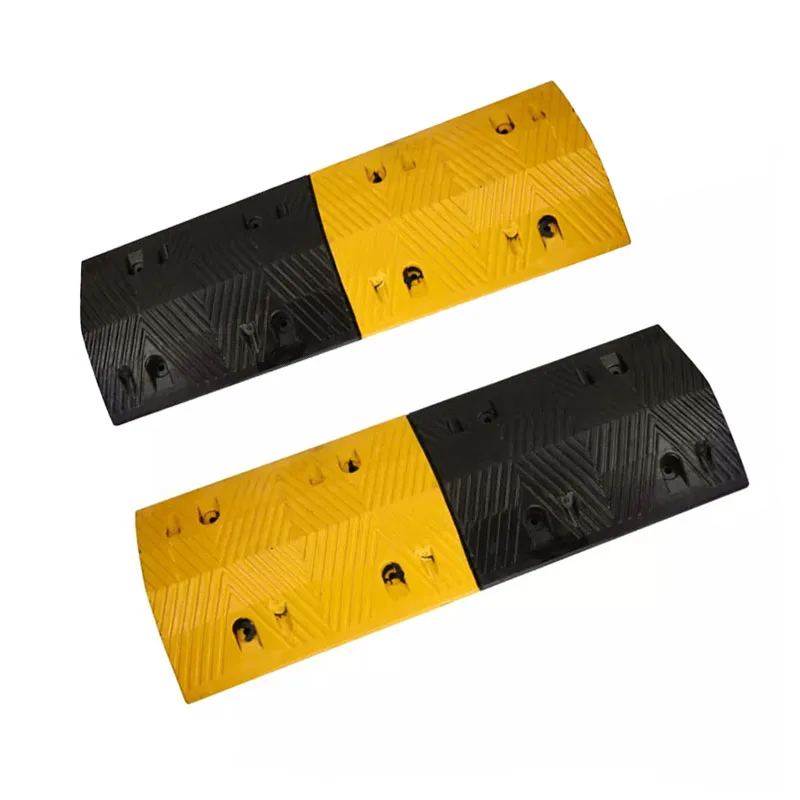
Understanding where these ramps are most commonly installed helps property owners, contractors, and municipal planners make informed decisions about placement and specifications. The strategic positioning of driveway curb ramps significantly impacts their effectiveness in providing safe access while minimizing potential hazards or obstructions to normal traffic patterns.
The growing emphasis on universal design principles and ADA compliance has expanded the applications for these versatile infrastructure elements beyond traditional uses. Today's installations must balance functionality with regulatory requirements while considering long-term durability and maintenance needs across diverse environmental conditions.
Residential Installation Locations
Single-Family Home Driveways
Single-family residential properties represent the most common installation sites for driveway curb ramps, particularly where concrete curbs create height differentials between street level and private driveways. These installations typically occur at the junction where the driveway meets the public sidewalk or street, creating a smooth transition that prevents vehicle damage and reduces wear on suspension systems.
Homeowners frequently install ramps to address steep grade changes that can scrape low-clearance vehicles or create uncomfortable jarring sensations when entering or exiting their properties. The placement usually spans the width of the driveway opening, extending slightly beyond the vehicle path to accommodate different approach angles and vehicle types.
Installation timing often coincides with driveway renovations, new construction, or after residents experience repeated issues with vehicle clearance. The ramps provide immediate relief from these problems while adding value to the property through improved accessibility and reduced maintenance concerns.
Multi-Family Housing Complexes
Apartment complexes, condominiums, and townhouse developments frequently require multiple driveway curb ramps to serve various access points throughout the property. These installations are strategically positioned at main entrances, guest parking areas, and service vehicle access points to ensure comprehensive coverage for all residents and visitors.
Property managers typically install ramps proactively to prevent complaints from residents about vehicle damage and to maintain competitive appeal in the rental market. The installations must accommodate diverse vehicle types, from compact cars to larger SUVs and delivery trucks that regularly access the property.
Maintenance considerations play a significant role in product selection for these high-traffic environments, with durability and weather resistance being primary factors in the decision-making process. The ramps must withstand constant use while maintaining their effectiveness and appearance over extended periods.
Commercial and Business Applications
Retail Shopping Centers
Shopping centers and retail complexes utilize driveway curb ramps extensively to manage traffic flow between parking areas and loading zones while ensuring customer accessibility. These installations are particularly important at entrances where customers transition from public roads to private parking facilities, requiring smooth navigation for shoppers of all mobility levels.
The placement strategy in retail environments focuses on high-traffic areas where customer vehicles frequently encounter grade changes, such as main parking lot entrances, drive-through access points, and connections between different parking sections. Store managers recognize that difficult access can deter customers and impact sales performance.
Seasonal considerations also influence installation patterns, with many retailers adding temporary or permanent ramps before holiday shopping periods when increased traffic volume amplifies existing access challenges. The ramps help maintain customer satisfaction while reducing liability concerns related to vehicle damage on commercial property.
Office Building Complexes
Corporate office buildings and business parks integrate driveway curb ramps into their parking and access infrastructure to accommodate employee vehicles, visitor traffic, and service deliveries. These installations are typically planned during initial construction phases but may be added later as traffic patterns evolve or accessibility requirements change.
Strategic placement occurs at employee parking entrances, visitor parking areas, and service vehicle access points, ensuring that all building users can navigate the property safely and efficiently. The professional appearance of the installation becomes important in maintaining the property's corporate image and demonstrating attention to detail.
Building managers often coordinate ramp installations with other infrastructure improvements, such as parking lot resurfacing or lighting upgrades, to maximize cost efficiency and minimize disruption to daily operations. The long-term durability of the ramps is crucial given the consistent daily use by hundreds of vehicles.
Public Infrastructure and Municipal Installations
Government Buildings and Facilities
Government facilities, including city halls, courthouses, and public service buildings, require extensive driveway curb ramp installations to ensure ADA compliance and provide equitable access for all citizens. These installations are typically more numerous and strategically placed than in private facilities due to strict accessibility requirements and diverse user needs.
Municipal planners coordinate ramp placement with overall accessibility improvement projects, ensuring that the installations integrate seamlessly with sidewalk improvements, handicapped parking spaces, and pedestrian pathways. The public nature of these facilities demands high-quality installations that can withstand heavy use and weather exposure.
Budget considerations often influence the timing and scope of these installations, with many municipalities scheduling ramp projects alongside other infrastructure improvements to leverage economies of scale and reduce overall project costs. The installations must meet or exceed local building codes and accessibility standards.
Educational Institution Campuses
Schools, colleges, and universities install driveway curb ramps throughout their campuses to accommodate student, faculty, and visitor vehicles while ensuring compliance with accessibility regulations. These installations are particularly common at dormitory parking areas, administrative building entrances, and sports facility access points.
Campus planners consider seasonal usage patterns, with increased installation activity before new academic years when traffic volume peaks and accessibility issues become more apparent. The ramps must accommodate everything from student compact cars to large delivery trucks serving campus dining and maintenance operations.
Safety considerations drive many educational institution installations, as administrators seek to minimize liability risks while providing safe access for all campus community members. The ramps contribute to overall campus accessibility initiatives and demonstrate institutional commitment to inclusive design principles.
Healthcare and Medical Facility Applications
Hospital and Clinic Entrances
Medical facilities represent critical installation sites for driveway curb ramps due to their role in serving patients with varying mobility needs and emergency vehicle access requirements. These installations are typically positioned at main patient entrances, emergency department access points, and ambulance bays where smooth transitions are essential for patient safety and comfort.
Hospital administrators prioritize ramp installations that can accommodate wheelchairs, stretchers, and medical equipment while providing safe passage for emergency vehicles. The installations must meet stringent healthcare facility codes and accessibility standards that often exceed general commercial requirements.
Maintenance and hygiene considerations influence product selection in healthcare environments, with emphasis on materials that can withstand frequent cleaning and disinfection procedures while maintaining their structural integrity and slip-resistant properties over time.
Assisted Living and Senior Care Facilities
Senior living communities and assisted care facilities utilize driveway curb ramps extensively to ensure safe access for residents, visitors, and medical personnel. These installations are particularly important given the mobility challenges that many residents face and the frequent need for wheelchair and walker accessibility.
Facility managers often install ramps at multiple locations throughout the property, including main entrances, medical service areas, and recreational facility access points. The installations must accommodate medical transport vehicles, family visitor cars, and emergency response vehicles while maintaining gentle grades suitable for mobility-impaired users.
Staff training often accompanies ramp installations to ensure proper maintenance and to help personnel assist residents in navigating the improved access points safely and confidently during daily activities and medical appointments.
FAQ
What factors determine the best location for installing driveway curb ramps
The optimal location depends on several key factors including traffic patterns, grade differential between surfaces, vehicle types using the area, and accessibility requirements. Installation should occur where the height difference creates vehicle clearance issues or poses safety risks. Consider drainage patterns to prevent water accumulation and ensure the ramp placement doesn't interfere with pedestrian pathways or create new hazards.
How do local building codes affect curb ramp installation locations
Building codes and ADA requirements significantly influence where and how curb ramps can be installed, particularly in commercial and public settings. Many municipalities require permits for permanent installations and specify minimum slope requirements, width standards, and placement restrictions. Always consult local authorities before installation to ensure compliance with accessibility standards and obtain necessary approvals for public right-of-way work.
What maintenance considerations should influence installation location choices
Choose installation locations that allow easy access for cleaning and maintenance while minimizing exposure to harsh environmental conditions that could accelerate wear. Consider drainage to prevent ice formation in cold climates and avoid areas where debris commonly accumulates. Select locations where replacement or repairs can be performed without disrupting critical access routes or requiring extensive traffic control measures.
Can temporary curb ramps be installed in the same locations as permanent ones
Temporary ramps can often be installed in similar locations but may have different placement considerations due to their portable nature and installation methods. Temporary solutions work well for testing optimal placement before permanent installation or addressing seasonal access issues. However, ensure temporary installations meet the same safety and accessibility standards as permanent ramps and don't create trip hazards or drainage problems during their use period.
Table of Contents
- Residential Installation Locations
- Commercial and Business Applications
- Public Infrastructure and Municipal Installations
- Healthcare and Medical Facility Applications
-
FAQ
- What factors determine the best location for installing driveway curb ramps
- How do local building codes affect curb ramp installation locations
- What maintenance considerations should influence installation location choices
- Can temporary curb ramps be installed in the same locations as permanent ones