 EN
EN

Modern urban infrastructure relies heavily on sophisticated traffic management systems to ensure safe passage for millions of pedestrians and vehicles daily. Among these critical safety mechanisms, traffic lights stand as the cornerstone of organized road navigation, preventing countless accidents and maintaining orderly flow in busy intersections. The importance of these illuminated guardians extends far beyond simple stop-and-go signals, encompassing complex safety protocols that protect lives and property across diverse transportation environments.
The evolution of traffic control systems has transformed from simple manual direction to automated electronic networks that respond intelligently to real-time conditions. Contemporary traffic management incorporates advanced sensor technologies, wireless communication protocols, and adaptive timing mechanisms that optimize safety while minimizing congestion. These technological improvements have significantly reduced intersection-related fatalities and improved overall transportation efficiency in metropolitan areas worldwide.
Historical Development of Traffic Control Systems
Early Manual Traffic Direction Methods
Before the advent of automated traffic lights, urban intersections relied on human traffic controllers who manually directed vehicle and pedestrian movement using hand signals and basic signaling devices. These early systems, while functional for smaller populations, quickly became inadequate as automobile ownership expanded rapidly during the early twentieth century. Police officers stationed at busy intersections faced increasing dangers from growing traffic volumes and weather-related visibility challenges.
The limitations of manual traffic control became apparent as cities expanded and vehicle density increased exponentially. Human operators could not maintain consistent timing patterns, leading to unpredictable traffic flows and increased accident rates. Weather conditions, officer fatigue, and communication gaps between multiple intersection controllers created additional safety hazards that demanded more reliable automated solutions.
Introduction of Automated Signal Systems
The first electric traffic signal installation occurred in Cleveland, Ohio, in 1914, marking a revolutionary shift toward automated intersection management. These early systems featured simple red and green lights operated by manually controlled switches, providing more consistent timing than human controllers while reducing personnel requirements. The success of these initial installations prompted rapid adoption across major American cities throughout the 1920s.
Subsequent decades brought significant technological improvements, including the addition of yellow warning signals, pedestrian crossing indicators, and timer-based automatic cycling systems. These enhancements addressed specific safety concerns identified through accident analysis and traffic pattern studies, establishing the foundation for modern traffic control methodologies that continue to evolve today.
Pedestrian Safety Enhancement Through Traffic Signals
Crosswalk Protection Mechanisms
Dedicated pedestrian signals provide crucial protection at intersections where foot traffic intersects with vehicle pathways, significantly reducing the likelihood of serious accidents. These systems include audible signals for visually impaired individuals, countdown timers that indicate remaining crossing time, and extended signal phases that accommodate slower-moving pedestrians. Research indicates that properly implemented pedestrian signals can reduce pedestrian fatalities by up to 40 percent at treated intersections.
Advanced pedestrian detection systems now incorporate infrared sensors, pressure plates, and video analytics to identify waiting individuals and adjust signal timing accordingly. These responsive technologies ensure adequate crossing time for people with mobility challenges while minimizing unnecessary delays for vehicular traffic. Smart crosswalk systems also feature enhanced visibility elements such as LED-embedded pavement markers and high-intensity warning beacons.
School Zone and Hospital Area Applications
Specialized traffic lights in school zones and medical facility areas incorporate extended pedestrian phases, reduced speed enforcement integration, and enhanced visibility features to protect vulnerable populations. These installations often include flashing warning beacons that activate during specific hours when children or patients are most likely to be crossing streets. School zone signals frequently integrate with automated speed detection systems that issue citations for violations during active periods.
Hospital and emergency services areas require specialized signal programming that can provide immediate right-of-way for ambulances and emergency vehicles while maintaining pedestrian safety protocols. These systems utilize emergency vehicle preemption technology that temporarily overrides normal signal timing to create clear pathways for urgent medical transport while ensuring pedestrian crossing safety is not compromised.
Vehicle Safety and Traffic Flow Optimization
Intersection Collision Prevention
Traffic lights serve as primary collision prevention mechanisms at intersections, where the majority of serious vehicle accidents occur due to conflicting movement patterns. Properly timed signals eliminate simultaneous vehicle approaches from perpendicular directions, virtually eliminating right-angle collisions that often result in severe injuries or fatalities. Statistical analysis demonstrates that signalized intersections experience significantly lower accident rates compared to uncontrolled intersections with similar traffic volumes.
Modern signal systems incorporate advanced detection technologies that monitor approaching vehicles and adjust timing to prevent dangerous situations such as vehicles entering intersections during signal transitions. These systems can detect vehicle speed and distance, providing appropriate yellow signal duration to allow safe stopping or intersection clearance. Red light cameras and automated enforcement systems further enhance safety by deterring signal violations.
Adaptive Traffic Management Systems
Contemporary traffic lights integrate with centralized management systems that monitor network-wide conditions and adjust individual intersection timing to optimize overall traffic flow while maintaining safety priorities. These adaptive systems respond to real-time traffic density variations, special events, and emergency situations by modifying signal patterns to reduce congestion and minimize environmental impact through reduced vehicle emissions.
Intelligent transportation systems now incorporate machine learning algorithms that analyze historical traffic patterns and predict optimal signal timing adjustments for various conditions. These systems can coordinate signals across multiple intersections to create smooth traffic progression, reducing stop-and-go patterns that contribute to accidents and fuel consumption while improving overall transportation efficiency.
Technological Innovations in Modern Traffic Control
Solar-Powered and Energy-Efficient Systems
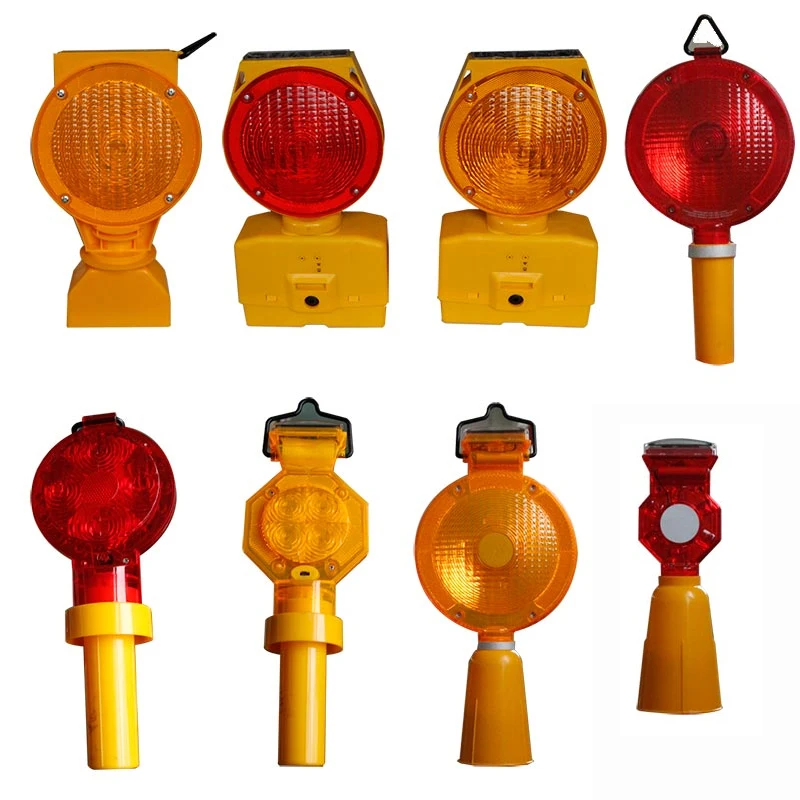
Recent developments in traffic light technology emphasize sustainability and reliability through solar-powered systems that reduce energy consumption and provide backup power during electrical outages. LED lighting technology has revolutionized signal visibility while dramatically reducing power requirements, making solar installations practical even in areas with limited sunlight exposure. These systems often include battery backup capabilities that ensure continuous operation during extended periods of reduced solar generation.
Energy-efficient traffic lights contribute to municipal sustainability goals while reducing long-term operational costs through lower electricity consumption and reduced maintenance requirements. Solar-powered installations are particularly valuable in remote locations or temporary construction zones where traditional electrical infrastructure may be unavailable or impractical to install.
Smart City Integration and Connectivity
Modern traffic lights increasingly function as components of comprehensive smart city networks that integrate multiple urban systems including emergency services, public transportation, and environmental monitoring. These connected systems can prioritize emergency vehicle passage, coordinate with public transit schedules, and adjust operations based on air quality or weather conditions to enhance both safety and environmental performance.
Wireless communication capabilities enable real-time monitoring and remote adjustment of signal parameters, allowing traffic management centers to respond quickly to changing conditions or equipment malfunctions. This connectivity also supports predictive maintenance programs that identify potential equipment failures before they occur, ensuring reliable operation and minimizing service disruptions that could compromise safety.
Economic and Social Benefits of Traffic Signal Systems
Reduced Healthcare and Emergency Response Costs
Effective traffic light systems significantly reduce the economic burden associated with traffic accidents, including emergency medical services, hospital care, vehicle repairs, and insurance claims. Studies indicate that every dollar invested in traffic signal improvements can yield up to eight dollars in reduced accident-related costs and improved travel time efficiency. These savings benefit individuals, insurance companies, healthcare systems, and municipal budgets.
Beyond direct accident prevention, traffic lights contribute to reduced emergency response times by maintaining organized traffic flow that allows ambulances, fire trucks, and police vehicles to navigate more efficiently to incident locations. Improved traffic management also reduces secondary accidents that often occur when emergency vehicles must navigate through congested or chaotic intersection conditions.
Enhanced Quality of Life and Community Development
Well-designed traffic signal systems contribute to improved community livability by creating safer environments for pedestrians, cyclists, and residents of all ages. Areas with effective traffic management often experience increased property values, enhanced business development, and greater pedestrian activity that supports local economic growth. Safe intersections encourage walking and cycling as viable transportation alternatives.
Traffic lights also facilitate community events, parades, and public gatherings by providing flexible traffic control that can accommodate temporary road closures and specialized traffic patterns. This flexibility supports local culture and community engagement while maintaining safety standards during non-routine activities that bring people together in public spaces.
FAQ
How do traffic lights reduce accident rates at intersections?
Traffic lights reduce accident rates by eliminating conflicting vehicle movements at intersections, providing clear right-of-way assignments, and giving pedestrians dedicated crossing phases. Studies show that properly implemented traffic signals can reduce serious intersection accidents by 40-50 percent compared to uncontrolled intersections. The predictable timing patterns help drivers anticipate signal changes and make safer decisions about stopping or proceeding through intersections.
What maintenance requirements ensure traffic light reliability?
Regular maintenance includes LED bulb replacement, signal timing verification, detection system calibration, and backup power system testing. Modern systems require monthly visual inspections, quarterly electrical system checks, and annual comprehensive evaluations of all components including controllers, sensors, and communication equipment. Preventive maintenance programs help identify potential failures before they compromise safety or cause traffic disruptions.
How do emergency vehicles override traffic light systems?
Emergency vehicle preemption systems use radio signals, infrared transmitters, or GPS-based communication to request immediate signal changes when ambulances, fire trucks, or police vehicles approach intersections. These systems temporarily interrupt normal signal timing to provide green lights for emergency vehicles while ensuring conflicting traffic receives adequate warning through extended yellow phases. The system automatically returns to normal operation after the emergency vehicle passes through the intersection.
What role do traffic lights play in smart city development?
Traffic lights serve as critical infrastructure nodes in smart city networks, collecting traffic data, supporting connected vehicle communications, and integrating with other urban systems like public transit and environmental monitoring. These intelligent systems can adapt to real-time conditions, coordinate with emergency services, and contribute to overall transportation efficiency while supporting municipal sustainability goals through energy-efficient operations and reduced vehicle emissions from improved traffic flow.