 EN
EN

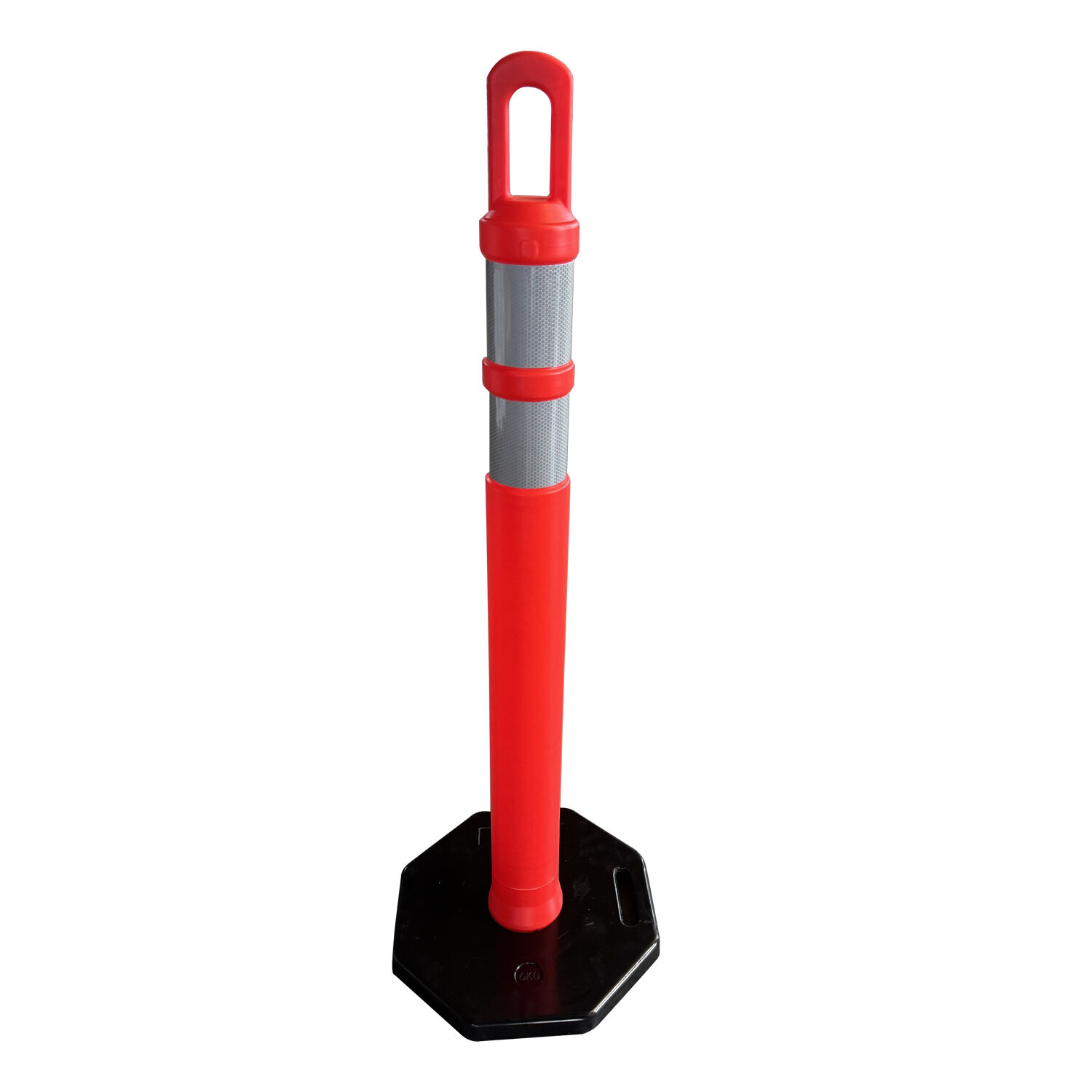
Property management firms face constant challenges in maintaining order, security, and efficient traffic flow across their managed properties. One of the most pressing concerns involves controlling vehicle access and ensuring designated parking areas remain properly organized. A reliable parking barrier system serves as the cornerstone of effective property management, offering both immediate crowd control capabilities and long-term cost savings. Modern property managers recognize that implementing the right barrier solutions can dramatically reduce operational headaches while improving tenant satisfaction and property value.
The evolution of traffic management solutions has brought forth innovative approaches that address multiple property management concerns simultaneously. Today's barrier systems offer flexibility, durability, and cost-effectiveness that traditional permanent installations simply cannot match. Property management professionals increasingly rely on these versatile solutions to maintain control over their environments while adapting to changing tenant needs and property layouts.
Understanding Modern Barrier Solutions for Property Management
Types of Contemporary Barrier Systems
Contemporary property management demands flexible solutions that can adapt to various scenarios throughout the day. Retractable barrier systems have emerged as the preferred choice for many property managers due to their versatility and ease of deployment. These systems can be quickly installed to redirect traffic flow during peak hours, special events, or maintenance activities. The lightweight yet durable construction ensures that staff members can easily position and reposition barriers without requiring specialized equipment or extensive training.
Mobile barrier solutions offer another layer of flexibility that property managers find invaluable. Unlike permanent installations that require significant upfront investment and ongoing maintenance commitments, mobile systems can be relocated as property needs evolve. This adaptability proves particularly beneficial for properties undergoing renovations, seasonal changes in tenant requirements, or shifting traffic patterns that emerge over time.
Material Innovation and Durability Considerations
The materials used in modern barrier construction have advanced significantly, offering property managers solutions that withstand harsh weather conditions while maintaining their effectiveness over extended periods. High-grade plastic compounds provide excellent resistance to UV degradation, temperature fluctuations, and moisture exposure that commonly affect outdoor installations. These materials also resist the chemical exposure that occurs in parking areas where automotive fluids and de-icing agents are present.
Durability extends beyond material composition to include design features that enhance longevity and reduce replacement costs. Reinforced connection points, impact-resistant surfaces, and modular construction allow for partial repairs rather than complete system replacement when damage occurs. Property management firms appreciate these features because they translate directly into reduced maintenance budgets and fewer service disruptions for tenants.
Cost-Benefit Analysis for Property Management Firms
Initial Investment Versus Long-Term Savings
Property management firms must carefully evaluate the financial implications of their barrier system choices, considering both immediate costs and long-term operational impacts. Initial investment in quality barrier systems may appear higher than basic alternatives, but the total cost of ownership typically favors more robust solutions. Factors such as replacement frequency, maintenance requirements, and labor costs for installation and repositioning all contribute to the overall financial picture.
The flexibility offered by modern parking barrier systems often eliminates the need for multiple specialized products, creating economies of scale that benefit property management budgets. A single barrier system that can serve multiple functions throughout the property reduces inventory costs, storage requirements, and staff training needs. This consolidation of resources allows property managers to allocate their budgets more efficiently while maintaining the same level of traffic control effectiveness.
Operational Efficiency and Staff Productivity
Staff productivity gains represent a significant but often overlooked benefit of implementing effective barrier systems. Property management teams spend considerable time addressing parking disputes, unauthorized access issues, and traffic flow problems that could be prevented with proper barrier placement. By providing clear visual guidance and physical boundaries, well-designed barrier systems reduce the number of tenant complaints and enforcement actions required.
The ease of deployment associated with modern barrier solutions also impacts labor costs positively. Staff members can quickly establish temporary parking restrictions for maintenance work, deliveries, or special events without requiring additional personnel or specialized equipment. This operational flexibility allows property management firms to respond promptly to changing conditions while minimizing disruption to normal property operations.
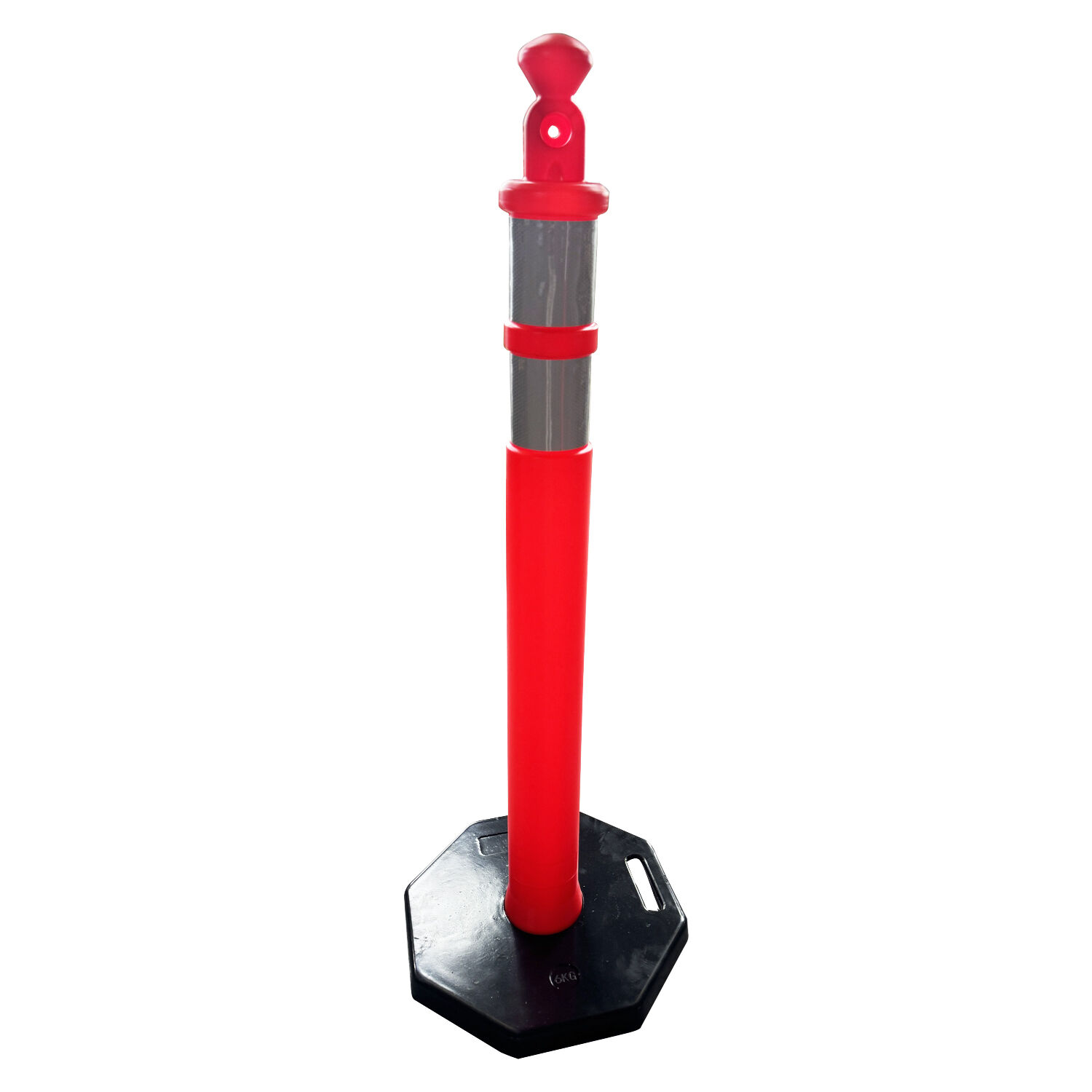
Implementation Strategies for Maximum Effectiveness
Site Assessment and Planning Considerations
Successful barrier implementation begins with comprehensive site assessment that identifies traffic flow patterns, peak usage periods, and specific problem areas within the property. Property managers should document vehicle movement throughout different times of day and week to understand where barriers will provide the greatest benefit. This analysis helps determine optimal placement locations and the quantity of barriers needed to achieve desired traffic control objectives.
Environmental factors also play a crucial role in planning effective barrier deployment. Wind patterns, drainage considerations, and surface conditions all influence barrier selection and placement strategies. Properties in areas with severe weather conditions may require additional securing mechanisms or more robust barrier designs to maintain effectiveness throughout various seasonal challenges.
Integration with Existing Security and Access Control
Modern property management often involves sophisticated security and access control systems that must work harmoniously with physical barrier installations. The integration of parking barrier solutions with electronic monitoring systems, surveillance cameras, and automated access gates creates comprehensive security environments that protect both property assets and tenant safety.
Coordination between physical barriers and technological security measures requires careful planning to avoid creating conflicts or operational inefficiencies. Property managers must ensure that barrier placement does not interfere with camera sight lines, sensor functionality, or emergency vehicle access requirements. Proper integration enhances the effectiveness of both physical and electronic security measures while maintaining compliance with local safety regulations.
Maintenance and Longevity Optimization
Preventive Maintenance Protocols
Establishing regular maintenance protocols ensures that barrier systems continue providing reliable performance throughout their service life. Property management firms should develop inspection schedules that identify wear patterns, connection integrity, and surface condition before minor issues become major problems. Regular cleaning, particularly in areas exposed to road salt or automotive fluids, helps maintain both appearance and functionality over time.
Documentation of maintenance activities provides valuable data for optimizing replacement schedules and identifying potential design improvements for future purchases. Property managers who maintain detailed records can better predict when barrier replacement will be necessary and budget accordingly. This proactive approach reduces the likelihood of system failures that could compromise property security or create liability concerns.
Storage and Seasonal Considerations
Proper storage practices significantly impact barrier longevity, particularly for mobile systems that may not be deployed continuously. Property management facilities should designate appropriate storage areas that protect barriers from extreme temperatures, moisture, and physical damage. Organized storage systems also improve deployment efficiency by ensuring that barriers are readily accessible when needed.
Seasonal deployment strategies help property managers adapt to changing conditions throughout the year. Winter weather may require additional barriers to manage snow removal operations, while summer events might necessitate expanded crowd control measures. Understanding these seasonal patterns allows property managers to anticipate barrier needs and ensure adequate inventory is available when required.
FAQ
How do I determine the right number of barriers for my property
The optimal number of barriers depends on your property's size, traffic patterns, and specific control objectives. Conduct a thorough assessment of your parking areas during peak usage periods to identify bottlenecks and problem zones. Generally, plan for 10-15% more barriers than your immediate needs assessment suggests to accommodate unexpected situations and future expansion requirements.
What maintenance is required for outdoor barrier installations
Outdoor barriers require regular inspection for UV damage, impact wear, and connection integrity. Clean barriers monthly with mild soap and water, paying special attention to connection points and moving parts. Check for cracks or stress fractures quarterly, and replace damaged components promptly to prevent system failure. Annual deep cleaning and lubrication of moving parts will extend service life significantly.
Can barrier systems be integrated with automated parking management
Yes, modern barrier systems can be integrated with automated parking management systems through various connection methods. Integration typically involves coordinating barrier placement with sensor locations, camera coverage areas, and automated gate systems. Consult with your technology provider to ensure compatibility and develop implementation plans that enhance rather than complicate your existing systems.
What are the liability considerations for property managers using barriers
Property managers should ensure barriers meet local safety standards and are properly maintained to minimize liability risks. Install barriers with adequate visibility markings, especially in low-light conditions. Maintain clear documentation of maintenance activities and inspection schedules. Consider consulting with your insurance provider about coverage implications and any additional requirements for barrier installations on your properties.