 EN
EN

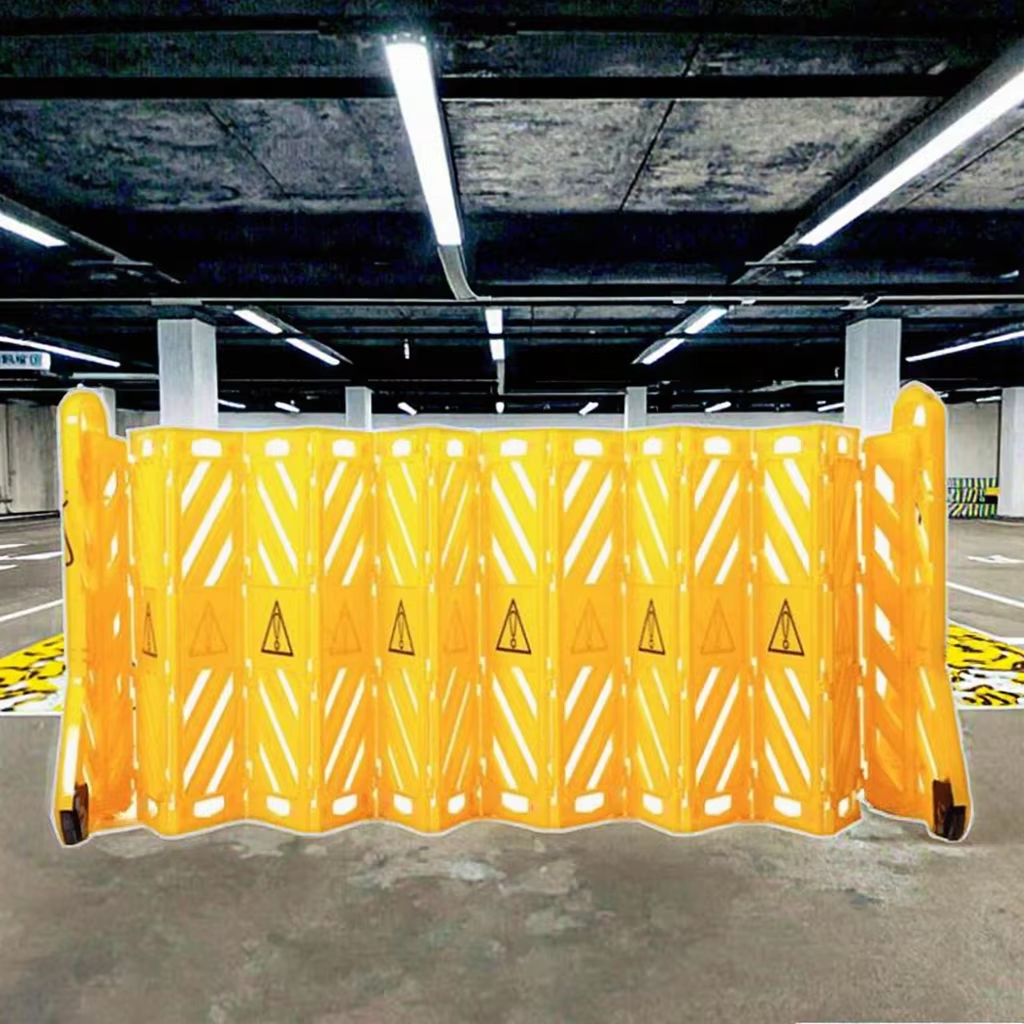
Workplace accidents continue to pose significant challenges across industries, with roadway-related incidents accounting for a substantial portion of occupational injuries and fatalities. The implementation of comprehensive roadway safety measures has emerged as a critical strategy for organizations seeking to protect their workforce while maintaining operational efficiency. By establishing proper traffic control systems, barrier installations, and safety protocols, companies can dramatically reduce the risk of vehicular accidents and pedestrian injuries in work environments.
The integration of effective safety systems requires careful planning and understanding of specific workplace hazards. Modern approaches to workplace safety emphasize proactive measures rather than reactive responses to incidents. This shift toward prevention-focused strategies has proven instrumental in reducing both the frequency and severity of roadway-related workplace accidents across various industrial sectors.
Understanding Workplace Roadway Hazards
Common Risk Factors in Industrial Environments
Industrial workplaces present unique challenges when it comes to roadway safety, particularly in areas where vehicular traffic intersects with pedestrian pathways. Heavy machinery operations, delivery truck movements, and employee foot traffic create complex scenarios that require sophisticated safety planning. The presence of construction equipment, material handling vehicles, and service trucks amplifies the potential for accidents when proper safety measures are not implemented.
Environmental factors such as poor lighting, weather conditions, and limited visibility zones contribute significantly to accident risks. Many workplace incidents occur during shift changes when pedestrian traffic peaks, or during loading and unloading operations when attention is divided between multiple tasks. Understanding these risk patterns enables organizations to develop targeted safety interventions that address specific hazard scenarios.
Impact Assessment of Workplace Accidents
The consequences of roadway-related workplace accidents extend far beyond immediate physical injuries. Organizations face substantial financial burdens including medical expenses, workers' compensation claims, equipment damage, and operational disruptions. Legal liabilities and regulatory compliance issues can result in significant penalties and long-term reputational damage that affects business relationships and competitive positioning.
Employee morale and productivity suffer when safety incidents occur, creating a ripple effect that impacts overall organizational performance. The psychological impact on workers who witness or experience accidents can lead to decreased confidence in workplace safety systems and increased turnover rates. These broader implications underscore the importance of investing in comprehensive roadway safety measures as a fundamental business strategy.
Physical Barrier Systems and Traffic Control
Temporary and Permanent Barrier Solutions
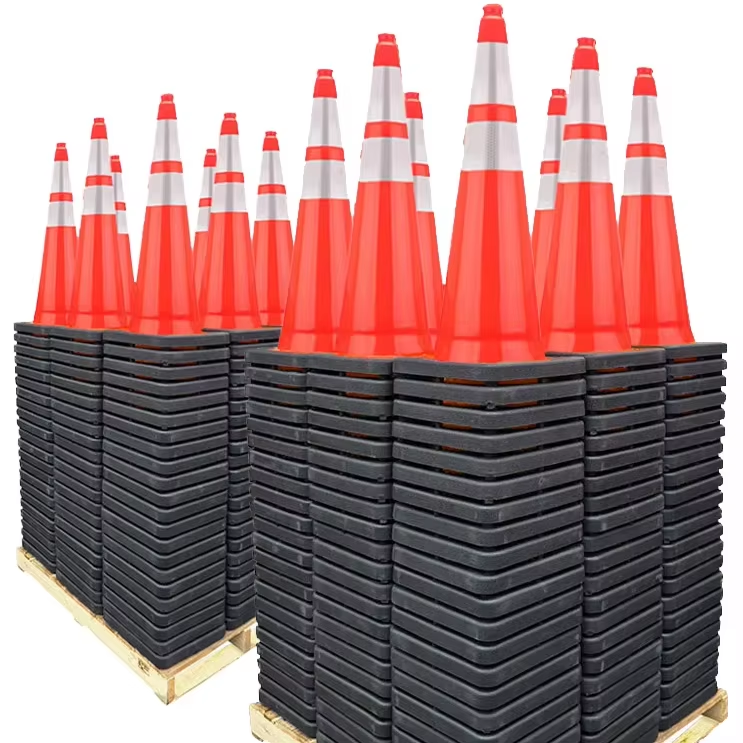
Physical barriers serve as the first line of defense in separating vehicular traffic from pedestrian areas and sensitive work zones. Temporary barrier systems offer flexibility for dynamic work environments where traffic patterns change frequently based on operational requirements. These portable solutions can be quickly deployed and reconfigured to accommodate varying project phases, equipment movements, and seasonal operational changes.
Permanent barrier installations provide long-term protection for high-risk areas with consistent traffic patterns. Strategic placement of concrete barriers, steel guardrails, and reinforced fencing creates clearly defined pathways that guide both vehicles and pedestrians through safe corridors. The selection of appropriate barrier types depends on factors such as traffic volume, vehicle sizes, environmental conditions, and aesthetic considerations that align with facility requirements.
Advanced Traffic Management Technologies
Modern traffic control systems incorporate electronic monitoring and automated warning systems that enhance traditional physical barriers. Smart sensors detect approaching vehicles and activate warning lights or audible alarms to alert pedestrians of potential hazards. These technologies provide real-time feedback to both drivers and pedestrians, creating dynamic safety zones that adapt to changing conditions throughout the workday.
Integration of GPS tracking and fleet management systems enables supervisors to monitor vehicle movements and identify potential safety violations before accidents occur. Digital communication systems allow for instant coordination between drivers, pedestrians, and safety personnel, ensuring that all parties remain informed about changing traffic conditions and emergency situations. These technological enhancements complement physical roadway safety measures by providing additional layers of protection and communication.
Employee Training and Safety Protocols
Comprehensive Safety Education Programs
Effective roadway safety measures require well-trained employees who understand proper procedures and recognize potential hazards. Comprehensive training programs address both vehicle operators and pedestrian workers, ensuring that all personnel understand their roles in maintaining a safe work environment. Regular safety briefings reinforce key concepts and update employees on new procedures, equipment modifications, or identified risk areas.
Hands-on training exercises simulate real workplace scenarios, allowing employees to practice emergency responses and safety procedures in controlled environments. These practical sessions help workers develop muscle memory for critical safety actions and build confidence in their ability to respond appropriately to unexpected situations. Video training materials and interactive presentations supplement practical exercises by providing detailed explanations of safety principles and regulatory requirements.
Communication and Reporting Systems
Clear communication protocols ensure that safety information flows effectively throughout the organization and that potential hazards are reported promptly. Standardized reporting procedures enable employees to document near-miss incidents, equipment malfunctions, and safety concerns without fear of retaliation. This information gathering process helps identify trends and patterns that might not be apparent from individual incident reports.
Regular safety meetings provide forums for discussing observed hazards, sharing best practices, and soliciting employee feedback on existing safety measures. These collaborative discussions often reveal practical insights that formal safety assessments might overlook, leading to improvements in roadway safety measures and overall workplace protection strategies. Effective communication systems create a culture of shared responsibility for safety outcomes.
Regulatory Compliance and Industry Standards
OSHA Requirements and Guidelines
Occupational Safety and Health Administration regulations establish minimum standards for workplace roadway safety, requiring employers to implement specific protective measures in areas where vehicles and pedestrians interact. These regulations cover topics such as traffic control devices, warning systems, protective equipment, and emergency response procedures. Compliance with OSHA standards provides a foundation for safety programs while protecting organizations from regulatory penalties and legal liabilities.
Regular safety audits and inspections ensure ongoing compliance with evolving regulatory requirements. Documentation of safety measures, training records, and incident reports demonstrates organizational commitment to regulatory compliance and provides valuable data for continuous improvement efforts. Proactive compliance management reduces the risk of citations and helps organizations stay ahead of regulatory changes that might affect their operations.
Industry-Specific Safety Standards
Different industries face unique roadway safety challenges that require specialized approaches beyond general OSHA requirements. Construction sites, manufacturing facilities, warehouses, and transportation hubs each present distinct hazard profiles that influence the selection and implementation of appropriate safety measures. Industry associations and professional organizations often provide additional guidelines that reflect best practices developed through collective experience and research.
Benchmarking against industry standards helps organizations identify areas for improvement and adopt proven safety strategies that have demonstrated effectiveness in similar environments. Participation in industry safety initiatives and peer review programs provides opportunities to learn from other organizations' experiences and contribute to the development of improved roadway safety measures across entire industry sectors.
Cost-Benefit Analysis of Safety Investments
Direct Cost Savings from Accident Prevention
Investment in comprehensive roadway safety measures generates measurable returns through reduced accident-related expenses. Direct cost savings include decreased medical expenses, lower workers' compensation premiums, reduced equipment damage, and minimized operational disruptions. These tangible benefits often justify safety investments within relatively short payback periods, particularly in high-risk environments where accident frequency would otherwise be significant.
Insurance providers frequently offer premium discounts for organizations that demonstrate commitment to safety through implementation of recognized best practices and maintenance of strong safety records. These ongoing cost reductions compound over time, creating substantial long-term financial benefits that extend well beyond initial investment recovery periods. Documented safety performance also strengthens negotiating positions with insurance carriers and regulatory agencies.
Indirect Benefits and Long-Term Value
Beyond direct cost savings, effective roadway safety measures contribute to improved employee morale, enhanced productivity, and stronger organizational reputation. Reduced accident rates create positive work environments where employees feel valued and protected, leading to increased job satisfaction and lower turnover rates. These factors contribute to reduced recruitment and training costs while improving overall operational efficiency.
Enhanced safety performance strengthens competitive positioning in industries where safety records influence customer selection decisions and contract awards. Organizations with strong safety reputations often enjoy preferred vendor status and access to premium contracts that generate additional revenue opportunities. This competitive advantage becomes increasingly valuable as customers and regulatory agencies place greater emphasis on supplier safety performance in their selection criteria.
FAQ
What are the most effective types of roadway safety measures for industrial workplaces
The most effective roadway safety measures combine physical barriers, traffic control systems, employee training, and communication protocols. Physical barriers such as portable fencing, concrete barriers, and guardrails provide immediate protection by separating vehicles from pedestrian areas. Traffic control devices including warning lights, signage, and electronic monitoring systems enhance visibility and communication. Comprehensive employee training ensures proper understanding and implementation of safety procedures, while clear communication protocols enable rapid response to changing conditions and emergency situations.
How often should safety training be conducted for employees working in areas with vehicle traffic
Safety training should be conducted initially during employee orientation, with refresher sessions at least annually or whenever significant changes occur in workplace conditions, equipment, or procedures. High-risk environments may require more frequent training, such as quarterly sessions or specialized training for specific job functions. Additional training should be provided following any safety incidents to address identified deficiencies and reinforce proper procedures. Ongoing safety briefings and toolbox talks help maintain awareness and address emerging hazards or seasonal considerations.
What return on investment can organizations expect from implementing comprehensive roadway safety measures
Organizations typically see positive returns on safety investments within one to three years through reduced accident costs, lower insurance premiums, and decreased operational disruptions. Direct cost savings often range from 300% to 800% of initial investment over five-year periods, depending on baseline accident rates and the comprehensiveness of implemented measures. Indirect benefits including improved employee morale, enhanced productivity, and competitive advantages provide additional value that compounds over time, making safety investments among the most profitable organizational improvements available.
How do regulatory requirements influence the selection of roadway safety measures
Regulatory requirements establish minimum standards for workplace safety while industry-specific guidelines provide additional direction for specialized environments. OSHA regulations mandate basic traffic control measures, warning systems, and employee protection requirements that form the foundation for safety programs. Industry standards often exceed regulatory minimums, reflecting best practices developed through collective experience and research. Organizations must ensure compliance with applicable regulations while considering industry standards and site-specific hazards to develop comprehensive safety strategies that provide optimal protection and minimize liability exposure.
Table of Contents
- Understanding Workplace Roadway Hazards
- Physical Barrier Systems and Traffic Control
- Employee Training and Safety Protocols
- Regulatory Compliance and Industry Standards
- Cost-Benefit Analysis of Safety Investments
-
FAQ
- What are the most effective types of roadway safety measures for industrial workplaces
- How often should safety training be conducted for employees working in areas with vehicle traffic
- What return on investment can organizations expect from implementing comprehensive roadway safety measures
- How do regulatory requirements influence the selection of roadway safety measures