 EN
EN

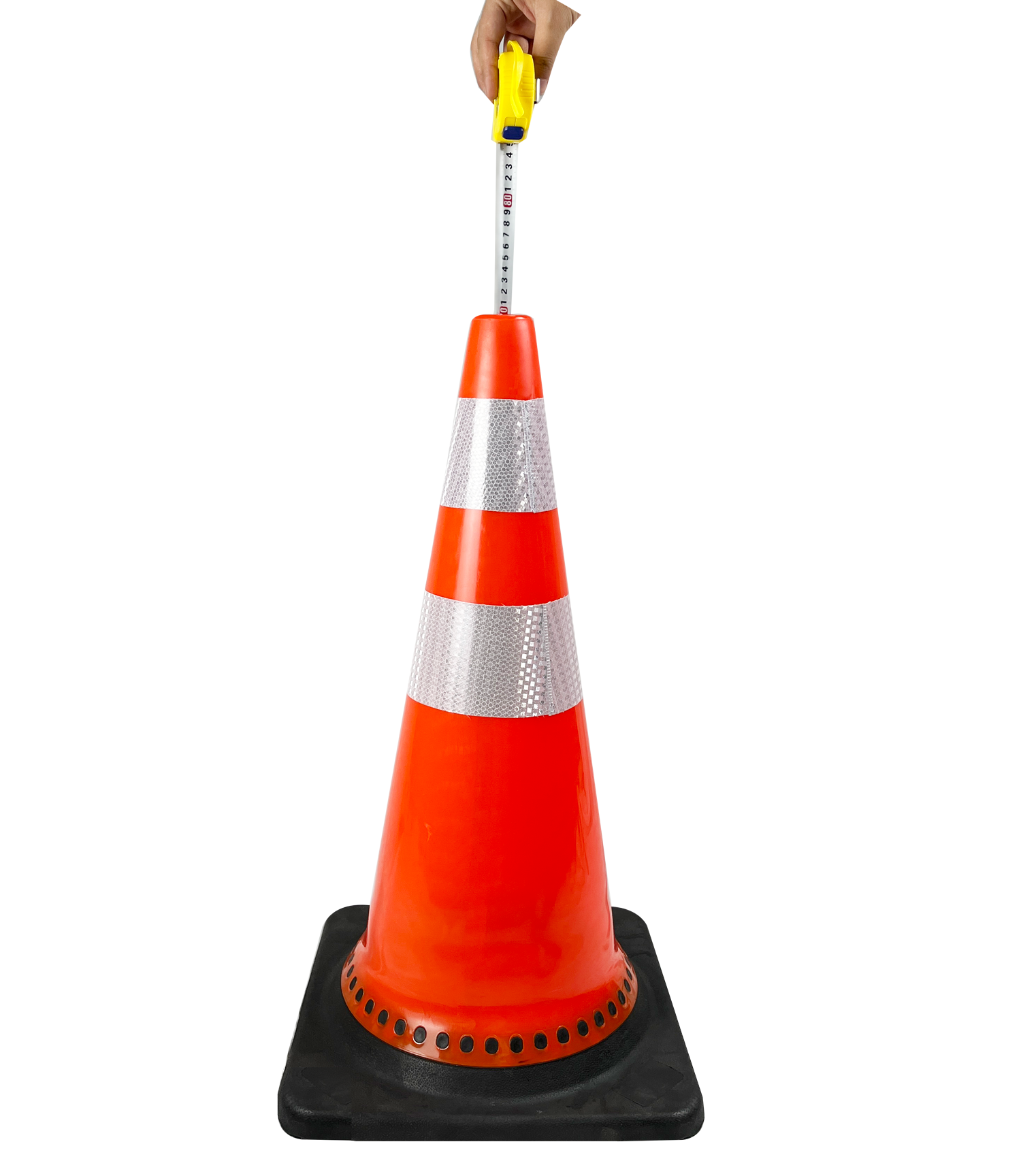
Safety cones are essential traffic control devices that play a crucial role in maintaining order and protecting workers, drivers, and pedestrians in various environments. From construction sites and roadwork zones to parking lots and emergency situations, these bright orange markers serve as the first line of defense against accidents and confusion. However, the effectiveness of safety cones depends not only on their proper deployment but also on how well they are maintained and stored when not in use. Proper care and storage practices can significantly extend the lifespan of these important safety tools while ensuring they remain visible and functional when needed most.
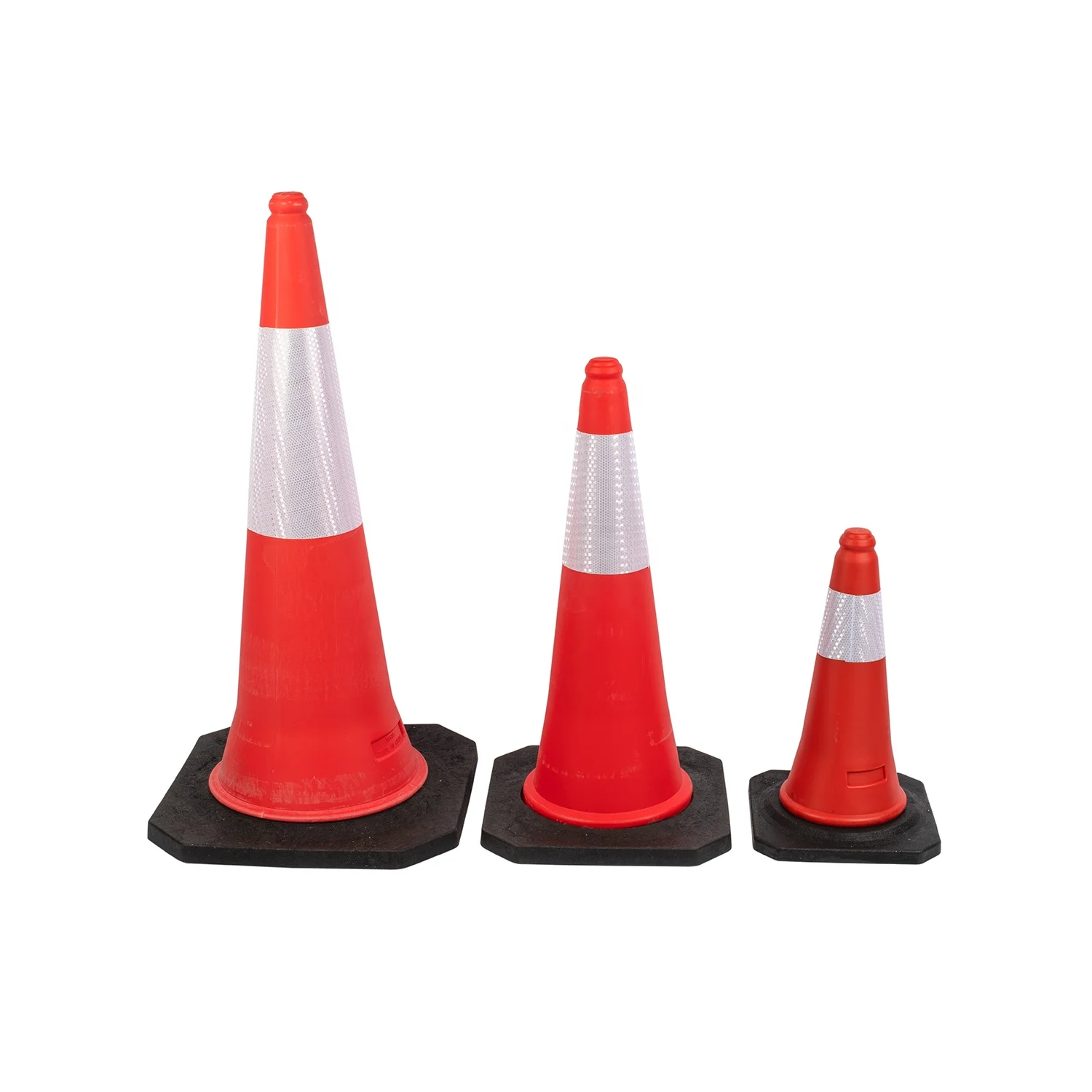
Understanding the Importance of Proper Safety Cone Storage
Weather Protection and Material Preservation
Environmental factors pose significant threats to the integrity and longevity of safety cones. Prolonged exposure to ultraviolet rays from direct sunlight can cause the vibrant orange color to fade, reducing visibility and compromising safety effectiveness. Rain, snow, and moisture can lead to material degradation, particularly in areas where freeze-thaw cycles occur regularly. Temperature extremes can cause plastic materials to become brittle or warped, affecting the structural stability of the cones.
Proper storage involves keeping safety cones in covered areas away from direct sunlight and precipitation. Indoor storage facilities such as warehouses, garages, or dedicated equipment sheds provide optimal protection against weather-related damage. When indoor storage is not available, covering cones with weather-resistant tarps or storing them in weatherproof containers can provide adequate protection while maintaining accessibility for quick deployment.
Preventing Physical Damage and Deformation
Physical damage represents another critical concern when storing safety cones. Stacking cones improperly or placing heavy objects on top of them can cause permanent deformation, cracks, or complete structural failure. Heavy machinery, vehicles, and other equipment can accidentally crush or damage improperly stored cones, resulting in costly replacements and potential safety hazards during subsequent use.
The stackable design of most modern safety cones allows for efficient storage when done correctly. Following manufacturer guidelines for maximum stacking heights and ensuring stable base support prevents unnecessary stress on individual units. Creating designated storage areas with clear boundaries and proper signage helps prevent accidental damage from other equipment or personnel moving through storage facilities.
Essential Maintenance Practices for Safety Cones
Regular Cleaning and Inspection Protocols
Establishing routine cleaning schedules helps maintain the visibility and professional appearance of safety cones while identifying potential issues before they become serious problems. Dirt, oil, paint, and other contaminants can accumulate on cone surfaces, reducing reflectivity and overall visibility. Regular washing with mild soap and water removes most common contaminants without damaging the plastic material or reflective strips.
During cleaning procedures, thorough visual inspections should identify cracks, chips, fading, damaged reflective tape, or other signs of wear. Early detection of minor issues allows for timely repairs or replacement decisions before compromised cones pose safety risks. Documentation of inspection findings helps track the condition of individual cones and establishes replacement schedules based on actual usage patterns and deterioration rates.
Reflective Strip Maintenance and Replacement
Reflective strips or tape on safety cones require special attention during maintenance procedures. These retroreflective materials enhance visibility during low-light conditions and nighttime operations, making them critical safety features. Over time, reflective strips may become dirty, scratched, or begin peeling away from the cone surface, reducing their effectiveness significantly.
Cleaning reflective surfaces requires gentle techniques to avoid scratching or damaging the reflective properties. Using soft cloths or brushes with appropriate cleaning solutions helps maintain optimal reflectivity without causing damage. When reflective strips show signs of significant wear, damage, or reduced effectiveness, prompt replacement ensures continued safety performance. Replacement strips should meet or exceed original specifications and be applied according to manufacturer recommendations for proper adhesion and alignment.
Optimal Storage Configurations and Space Management
Maximizing Storage Efficiency Through Strategic Organization
Efficient storage organization maximizes available space while maintaining easy access to safety cones when needed. Grouping cones by size, condition, and intended use creates logical storage systems that facilitate quick inventory management and deployment. Color-coding storage areas or using clearly labeled sections helps personnel locate specific types of cones quickly during emergency situations or routine deployment operations.
Vertical storage solutions, including specialized cone storage racks or shelving systems, can significantly increase storage capacity in limited spaces. These systems also provide better protection against accidental damage while maintaining visibility of stored inventory. Mobile storage carts allow for flexible positioning and easy transportation of cones between storage areas and deployment locations, improving overall operational efficiency.
Creating Accessible Inventory Management Systems
Implementing systematic inventory management practices ensures adequate supplies are available when needed while preventing unnecessary purchases of excess equipment. Regular inventory counts help identify usage patterns, replacement needs, and optimal stock levels for different operational requirements. Digital tracking systems or simple logbooks can document cone locations, conditions, and maintenance histories effectively.
First-in-first-out rotation principles help ensure older cones are used before newer ones, promoting even wear patterns and preventing some units from deteriorating in storage while others receive heavy use. This rotation system also helps identify cones that may have been in storage too long and require inspection or replacement due to material aging rather than use-related wear.
Environmental Considerations and Long-term Storage Solutions
Climate-Controlled Storage Benefits
Climate-controlled storage environments provide superior protection for safety cones during extended storage periods. Maintaining consistent temperature and humidity levels prevents material degradation associated with extreme temperature fluctuations and moisture exposure. These controlled conditions are particularly important in regions with harsh seasonal weather patterns or extreme temperature variations.
Investment in climate-controlled storage may be justified for organizations with large cone inventories or those operating in challenging environmental conditions. The extended lifespan and maintained effectiveness of properly stored cones often offset the additional costs associated with enhanced storage facilities. Additionally, climate-controlled storage supports better organization and inventory management practices.
Sustainable Storage and Disposal Practices
Sustainable storage practices extend beyond protecting individual cones to encompass broader environmental responsibility considerations. Proper maintenance and storage practices maximize the useful life of safety cones, reducing the frequency of replacements and associated waste generation. When cones do reach the end of their useful life, many plastic materials can be recycled through appropriate channels.
Documenting the lifecycle of safety cones helps organizations understand replacement patterns and make informed decisions about purchasing, maintenance, and disposal practices. This information supports budget planning and environmental impact assessments while ensuring adequate safety equipment remains available for operational needs.
Troubleshooting Common Storage and Maintenance Issues
Addressing Fading and Color Degradation
Color fading represents one of the most common issues affecting stored safety cones, particularly those exposed to sunlight or harsh environmental conditions. While some degree of fading is inevitable over time, proper storage practices can significantly slow this process. When fading becomes noticeable, assessment of continued usability depends on visibility requirements and safety standards applicable to specific applications.
Preventive measures include rotating cone usage to ensure even exposure patterns and implementing regular inspection schedules to identify fading before it becomes a safety concern. In some cases, strategic use of faded cones in low-risk applications can extend their useful life while reserving newer, more visible cones for high-risk situations requiring maximum visibility.
Managing Space Constraints and Storage Limitations
Limited storage space challenges require creative solutions that balance protection needs with practical constraints. Outdoor storage solutions, including weatherproof containers and covered areas, can provide acceptable protection when indoor space is unavailable. Sharing storage facilities with other organizations or renting commercial storage space may be cost-effective alternatives for organizations with irregular cone usage patterns.
Modular storage systems allow for flexible configurations that adapt to changing space requirements and inventory levels. These systems can be expanded or reconfigured as needs change, providing long-term storage solutions that grow with organizational requirements. Careful planning of storage layouts maximizes available space while maintaining safe access for personnel and equipment movement.
FAQ
How often should safety cones be inspected for damage or wear
Safety cones should undergo visual inspection every time they are deployed and collected, with more thorough examinations conducted monthly or quarterly depending on usage frequency. Daily users should inspect cones weekly, while occasional users can extend inspection intervals to monthly. Any cone showing visible damage, significant fading, or compromised reflective materials should be removed from service immediately for repair or replacement evaluation.
What is the recommended maximum stacking height for stored safety cones
Most standard safety cones can be safely stacked 10 to 15 units high when stored properly on level surfaces. However, manufacturer specifications should always be consulted as stacking limits vary by cone design, size, and material composition. Exceeding recommended stacking heights can cause deformation of lower cones and create unstable storage conditions that increase accident risks.
Can safety cones be stored outdoors without damage
While safety cones can survive outdoor storage, indoor or covered storage significantly extends their lifespan and maintains optimal visibility characteristics. If outdoor storage is necessary, cones should be covered with UV-resistant tarps, stored in weatherproof containers, or placed in shaded areas to minimize sun exposure and weather damage. Regular rotation and inspection become even more critical with outdoor storage arrangements.
What cleaning products are safe to use on safety cones with reflective strips
Mild dish soap mixed with water provides effective cleaning for most safety cones without damaging plastic materials or reflective strips. Avoid harsh chemicals, abrasive cleaners, or high-pressure washing that could damage reflective materials or cause surface scratching. For stubborn stains, gentle scrubbing with soft brushes or cloths typically provides adequate cleaning power without causing damage to critical safety features.