 EN
EN


Urban development projects increasingly rely on intelligent infrastructure to manage growing vehicle populations and optimize space utilization. Parking barriers have emerged as essential components in modern smart parking ecosystems, providing both physical guidance and data collection capabilities that enhance overall traffic management efficiency. These versatile installations serve multiple functions beyond simple vehicle control, contributing to comprehensive urban planning strategies that prioritize safety, accessibility, and technological integration.
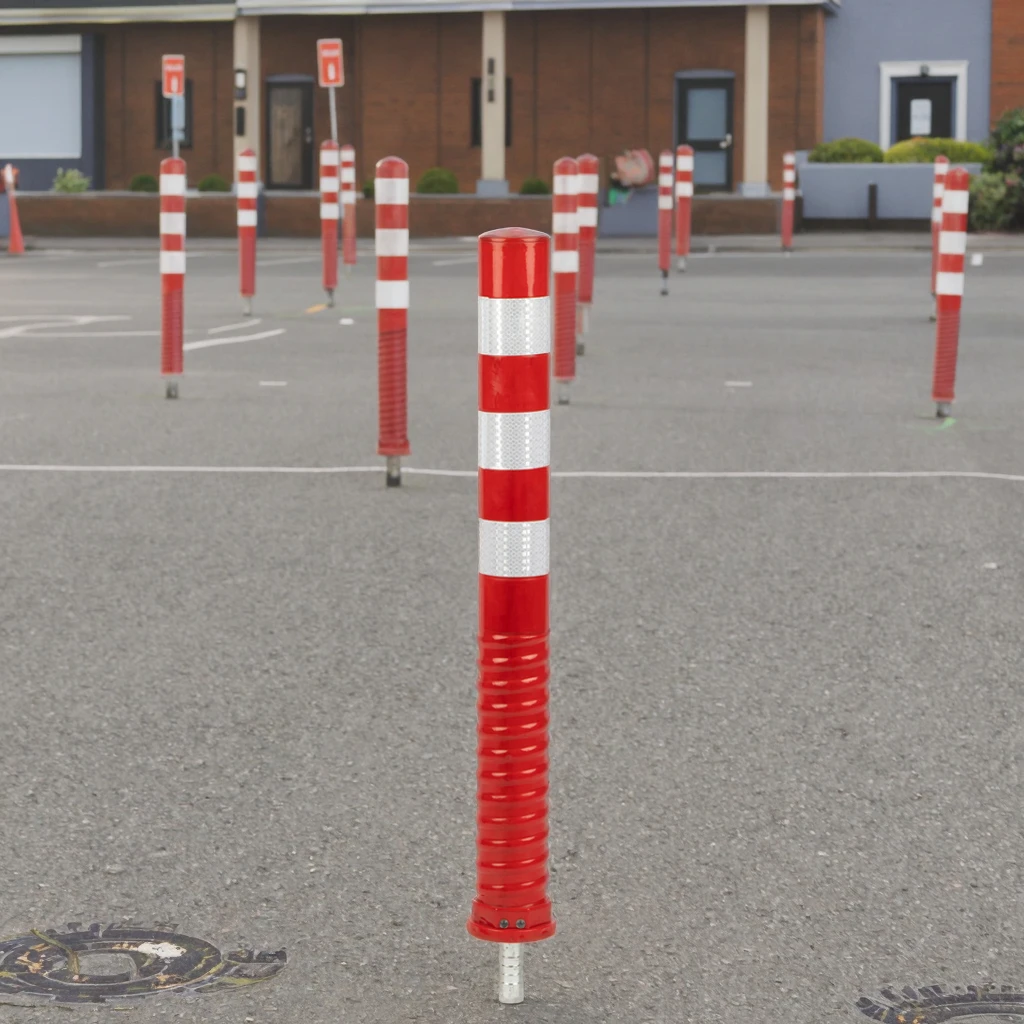
Contemporary parking barriers integrate seamlessly with digital monitoring systems, sensor networks, and automated payment platforms. Their strategic placement creates defined boundaries while enabling real-time occupancy tracking and revenue optimization. Smart city initiatives worldwide recognize these installations as fundamental building blocks for sustainable transportation infrastructure that adapts to evolving urban mobility patterns.
Technology Integration in Modern Parking Management
Sensor-Enabled Barrier Systems
Advanced parking barriers now incorporate proximity sensors, magnetic field detectors, and wireless communication modules that transmit occupancy data to centralized management platforms. These technological enhancements transform traditional static barriers into dynamic information gathering points. Municipal parking authorities utilize this real-time data to adjust pricing structures, predict demand patterns, and optimize resource allocation across multiple parking zones.
Integration with Internet of Things networks enables parking barriers to communicate with mobile applications, providing drivers instant access to availability information and reservation capabilities. This connectivity reduces traffic congestion caused by drivers searching for parking spaces, ultimately contributing to reduced emissions and improved air quality in urban environments.
Automated Access Control Features
Smart parking barriers incorporate RFID readers, license plate recognition cameras, and mobile payment interfaces that streamline entry and exit processes. These automated systems reduce operational costs while improving user experience through contactless transactions and reduced wait times. Fleet management companies particularly benefit from these features when managing large vehicle populations across multiple urban facilities.
Subscription-based access models enabled by intelligent barrier systems create recurring revenue streams for parking facility operators while providing convenience for regular users. Corporate parking programs leverage these capabilities to assign dedicated spaces, track employee vehicle usage, and generate detailed utilization reports for facility planning purposes.
Urban Planning and Space Optimization
Flexible Space Allocation Strategies
Modern parking barriers support dynamic space reconfiguration based on demand fluctuations, special events, and seasonal variations. Removable and adjustable barrier systems allow facility managers to modify parking layouts without permanent infrastructure changes. This flexibility proves invaluable for mixed-use developments that require different space configurations throughout the day or week.
Event venues utilize portable parking barriers to create temporary parking arrangements that accommodate varying crowd sizes and vehicle types. These adaptable solutions maximize revenue potential while ensuring proper traffic flow management during peak utilization periods. Urban planners increasingly specify flexible barrier systems in new developments to future-proof parking infrastructure against changing mobility trends.
Pedestrian Safety and Traffic Flow
Strategic parking barrier placement creates clear separation between vehicle and pedestrian areas, reducing accident risks and liability concerns for property owners. High-visibility materials and reflective components ensure barrier visibility during low-light conditions, contributing to overall site safety standards. Emergency vehicle access considerations are integrated into barrier design specifications to maintain compliance with local fire and safety codes.
Traffic calming effects achieved through proper barrier placement encourage appropriate vehicle speeds within parking facilities and surrounding areas. This enhanced safety profile makes parking barriers particularly valuable in mixed-use developments, educational institutions, and healthcare facilities where pedestrian safety remains a primary concern.
Economic Benefits and Cost Considerations
Revenue Enhancement Opportunities
Parking barriers enable precise space allocation and monitoring that maximizes facility revenue potential through dynamic pricing models and improved turnover rates. Data analytics derived from barrier-integrated sensors provide insights into peak usage patterns, enabling operators to implement premium pricing during high-demand periods. These revenue optimization strategies often generate sufficient returns to offset initial barrier installation costs within the first operational year.
Enforcement capabilities built into modern barrier systems reduce revenue losses from unauthorized parking and payment evasion. Automated citation generation and violation documentation streamline penalty collection processes while reducing staffing requirements for manual monitoring. Property managers report significant improvements in compliance rates and overall facility profitability following barrier system implementations.
Maintenance and Operational Efficiency
Durable materials and modular construction methods ensure parking barriers provide long-term value with minimal maintenance requirements. Polymer and composite materials resist weathering, impact damage, and chemical exposure better than traditional concrete or steel alternatives. Replaceable components and standardized mounting systems reduce repair costs and minimize facility downtime during maintenance activities.
Remote monitoring capabilities allow facility managers to identify maintenance needs proactively and schedule repairs during low-usage periods. Predictive maintenance protocols based on sensor data help prevent barrier failures that could disrupt facility operations or create safety hazards. These operational efficiencies contribute to improved return on investment calculations for parking barrier installations.
Environmental Impact and Sustainability
Sustainable Material Selection
Contemporary parking barriers increasingly utilize recycled materials and environmentally responsible manufacturing processes that align with green building certification requirements. Solar-powered illumination systems and energy-efficient LED components reduce operational energy consumption while maintaining visibility and safety standards. These sustainable design choices support broader corporate environmental responsibility initiatives and municipal sustainability goals.
Lifecycle assessment considerations favor durable barrier materials that minimize replacement frequency and associated transportation impacts. Manufacturers offer take-back programs for end-of-life barrier components, ensuring proper recycling and waste reduction throughout the product lifecycle. These environmental benefits often qualify parking barrier installations for green building credits and sustainability incentive programs.
Traffic Emission Reduction
Efficient parking management enabled by smart barrier systems reduces vehicle emissions associated with parking space searches and extended idling periods. Studies indicate that optimized parking utilization can reduce local traffic volumes by fifteen to twenty percent during peak periods. These emission reductions contribute to improved air quality in urban areas while supporting climate change mitigation efforts.
Integration with electric vehicle charging infrastructure positions parking barriers as components of broader clean transportation initiatives. Designated charging spaces protected by specialized barriers encourage electric vehicle adoption while generating additional revenue streams for facility operators. This forward-thinking approach aligns parking infrastructure development with evolving transportation trends and regulatory requirements.
Implementation Best Practices
Site Assessment and Planning
Successful parking barrier installations require comprehensive site analysis including traffic patterns, soil conditions, drainage considerations, and existing infrastructure constraints. Professional engineering consultation ensures barrier specifications meet local building codes, accessibility requirements, and safety standards. Detailed planning phases minimize installation complications and ensure optimal barrier placement for maximum effectiveness.
Stakeholder engagement during planning phases helps identify specific operational requirements and user preferences that influence barrier selection and configuration. Property managers, security personnel, and end users provide valuable input regarding functionality priorities and aesthetic preferences. This collaborative approach improves project outcomes and user satisfaction with implemented barrier systems.
Integration with Existing Infrastructure
Parking barriers must coordinate with existing security systems, lighting networks, and utility infrastructure to avoid conflicts and maximize operational synergies. Communication protocols ensure barrier-generated data integrates smoothly with facility management software and broader smart building systems. Professional installation teams coordinate with utility providers and local authorities to ensure compliant and efficient barrier deployment.
Phased implementation approaches minimize disruption to ongoing facility operations while allowing for system testing and optimization before full deployment. Pilot installations in representative areas provide performance data and user feedback that inform broader rollout strategies. These measured implementation approaches reduce project risks and improve overall system performance outcomes.
FAQ
What types of sensors can be integrated with parking barriers
Modern parking barriers accommodate various sensor technologies including magnetic loop detectors, ultrasonic distance sensors, infrared presence detectors, and computer vision systems. These sensors provide real-time occupancy data, vehicle counting capabilities, and unauthorized access detection. Integration options depend on specific operational requirements, budget considerations, and existing infrastructure compatibility. Most sensor systems communicate through wireless protocols or hardwired connections to centralized management platforms.
How do parking barriers contribute to smart city initiatives
Parking barriers serve as data collection points within broader smart city networks, providing occupancy information, traffic pattern data, and utilization analytics that inform urban planning decisions. They integrate with mobile applications, payment systems, and traffic management platforms to create comprehensive parking ecosystems. This connectivity supports reduced traffic congestion, improved air quality, and enhanced user experiences that align with smart city objectives for sustainable urban development.
What maintenance requirements do modern parking barriers have
Contemporary parking barriers require minimal routine maintenance when constructed from durable materials like high-density polyethylene or reinforced composites. Regular inspections focus on mounting hardware, reflective components, and integrated electronics. Cleaning procedures involve standard pressure washing or mild detergent solutions. Most manufacturers provide comprehensive maintenance guidelines and replacement part availability to ensure long-term operational reliability and performance consistency.
Can parking barriers be relocated or reconfigured after installation
Many modern parking barrier systems feature modular designs and removable mounting systems that enable relocation and reconfiguration without permanent infrastructure modifications. Portable barriers offer maximum flexibility for temporary installations or seasonal adjustments. Fixed barriers with standardized mounting interfaces can often be repositioned using existing anchor points or with minimal additional installation work. This adaptability supports evolving facility requirements and changing operational needs over time.