 EN
EN

In today's fast-paced industrial and transportation environments, visibility remains one of the most critical factors in preventing accidents and ensuring workplace safety. Reflective tape has emerged as an essential safety solution that dramatically improves visibility of vehicles, equipment, and personnel during low-light conditions. This retroreflective material works by bouncing light directly back to its source, creating a bright, attention-grabbing appearance that can be seen from considerable distances. Industries ranging from construction and emergency services to transportation and warehousing have recognized reflective tape as a cost-effective method to enhance safety protocols and reduce liability risks.
Understanding Retroreflective Technology
The Science Behind Light Reflection
Retroreflective technology forms the foundation of effective reflective tape performance. Unlike regular reflective surfaces that scatter light in multiple directions, retroreflective materials contain microscopic glass beads or prismatic structures that redirect light back toward its original source. This unique property ensures that vehicle headlights, flashlights, or other illumination sources create maximum visibility when they encounter reflective tape surfaces. The engineering behind this technology involves precise manufacturing processes that position these optical elements at optimal angles to achieve consistent light return performance across various viewing conditions.
Modern reflective tape utilizes advanced adhesive systems that bond the retroreflective layer to durable backing materials. These backing materials must withstand environmental challenges including temperature fluctuations, moisture exposure, and mechanical stress while maintaining the integrity of the optical performance. Quality reflective tape products undergo rigorous testing to ensure they meet industry standards for retroreflectivity, durability, and adhesion strength under real-world operating conditions.
Types of Retroreflective Materials
Glass bead technology represents the traditional approach to creating retroreflective surfaces in reflective tape applications. These microscopic spheres are embedded in a resin matrix and positioned to create optimal light return angles. Glass bead reflective tape offers excellent initial brightness and remains cost-effective for many standard applications. However, this technology can experience performance degradation when exposed to harsh environmental conditions or mechanical wear over extended periods.
Prismatic retroreflective technology has revolutionized reflective tape performance by utilizing precisely engineered microprisms instead of glass beads. These prismatic structures provide superior brightness, wider angularity, and enhanced durability compared to traditional glass bead systems. Prismatic reflective tape maintains consistent performance across broader temperature ranges and offers improved resistance to weathering, making it ideal for critical safety applications where reliability cannot be compromised.
Vehicle Safety Applications
Commercial Fleet Enhancement
Commercial vehicle operators increasingly recognize reflective tape as an essential component of their safety management programs. Fleet managers apply reflective tape to truck trailers, delivery vehicles, and service trucks to improve visibility during nighttime operations and adverse weather conditions. Strategic placement of reflective tape along vehicle perimeters, rear panels, and side surfaces creates a distinctive outline that helps other motorists gauge vehicle size, speed, and direction more accurately. This enhanced visibility significantly reduces the risk of side-swipe accidents, rear-end collisions, and other traffic incidents that commonly occur during low-visibility periods.
Emergency response vehicles benefit tremendously from reflective tape applications that complement traditional warning lights and sirens. Fire trucks, ambulances, and police vehicles equipped with high-quality reflective tape maintain visibility even when emergency lighting systems are not active or when viewed from angles where warning lights may not be visible. The passive nature of reflective tape ensures continuous safety enhancement without requiring electrical power or maintenance of complex lighting systems.
Construction and Work Zone Safety
Construction vehicles operating in work zones face unique visibility challenges that make reflective tape applications particularly valuable. Bulldozers, excavators, dump trucks, and other heavy equipment often work in areas with limited lighting where traditional safety measures may be insufficient. Reflective tape applied to equipment provides 360-degree visibility enhancement that helps operators, ground personnel, and passing motorists maintain situational awareness. The durability requirements for construction equipment reflective tape are particularly demanding due to exposure to dust, debris, vibration, and potential impact from materials handling operations.
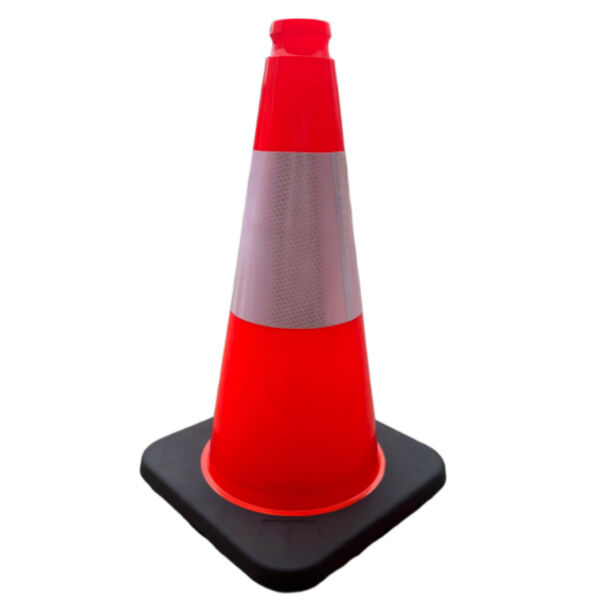
Work zone safety protocols increasingly specify reflective tape requirements for both vehicles and temporary barriers. reflective tape applications on traffic cones, channelizing devices, and portable barriers create clearly defined work areas that guide traffic flow and protect workers. These applications must maintain visibility performance despite exposure to vehicle exhaust, road salt, cleaning chemicals, and frequent handling during setup and removal operations.
Industrial Equipment Safety
Warehouse and Material Handling Operations
Warehouse environments present numerous visibility challenges where reflective tape applications can prevent accidents and improve operational efficiency. Forklifts, pallet jacks, and other material handling equipment equipped with reflective tape become more visible to pedestrians and other equipment operators in facilities with variable lighting conditions. The retroreflective properties of quality reflective tape ensure that equipment remains visible even in areas where overhead lighting may be inadequate or where shadows create blind spots.
Loading dock operations particularly benefit from reflective tape applications that enhance the visibility of dock equipment, vehicle positioning guides, and safety barriers. Truck drivers backing into loading positions rely on visual cues to position their vehicles accurately, and reflective tape helps create clear reference points that improve docking accuracy while reducing the risk of contact with dock structures or adjacent vehicles. The industrial-grade adhesive systems used in quality reflective tape products ensure reliable bonding to various surfaces commonly found in warehouse environments.
Manufacturing Facility Safety
Manufacturing facilities utilize reflective tape to improve the visibility of mobile equipment, safety barriers, and emergency evacuation routes. Plant vehicles such as tuggers, scissor lifts, and maintenance carts equipped with reflective tape are more easily seen by pedestrians and other equipment operators, particularly during shift changes when facility lighting may be reduced. The chemical resistance properties of industrial-grade reflective tape ensure continued performance despite exposure to cleaning solvents, hydraulic fluids, and other substances commonly encountered in manufacturing environments.
Emergency preparedness protocols in manufacturing facilities often incorporate reflective tape to mark evacuation routes, emergency equipment locations, and safety stations. These applications require reflective tape that maintains visibility performance over extended periods without regular maintenance or replacement. The photoluminescent properties of some reflective tape products provide additional safety benefits by maintaining visibility even during power outages or emergency situations when normal lighting systems may not be operational.
Installation and Maintenance Best Practices
Surface Preparation Techniques
Proper surface preparation represents the most critical factor in achieving reliable reflective tape adhesion and long-term performance. Surfaces must be thoroughly cleaned to remove dirt, grease, oxidation, and any existing coatings that could interfere with adhesive bonding. Solvent cleaning followed by mechanical abrasion often provides the best surface preparation for challenging substrates. The surface temperature during application should fall within the manufacturer's specified range to ensure optimal adhesive activation and initial bond strength.
Environmental conditions during reflective tape installation significantly impact adhesion quality and ultimate performance. Humidity levels, ambient temperature, and surface contamination can all affect the bonding process. Professional installers often use primer systems on difficult substrates or in challenging environmental conditions to enhance adhesive performance. These primer applications create a chemical bridge between the substrate and the reflective tape adhesive, resulting in improved durability and resistance to environmental degradation.
Performance Monitoring and Replacement Strategies
Regular inspection of reflective tape installations helps identify performance degradation before safety effectiveness is compromised. Visual inspections should assess retroreflective brightness, edge adhesion, and overall physical condition. Retroreflectometer measurements provide quantitative assessment of optical performance, allowing maintenance personnel to make data-driven decisions about replacement timing. Many organizations establish inspection schedules based on application criticality, environmental exposure, and historical performance data.
Preventive maintenance programs optimize reflective tape performance by addressing minor issues before they result in adhesion failure or significant brightness reduction. Cleaning procedures should use appropriate solvents and techniques that maintain optical performance while removing accumulated contamination. Some reflective tape products benefit from periodic application of protective coatings that enhance weather resistance and extend service life in demanding applications.
Cost-Benefit Analysis and ROI
Direct Cost Savings
Organizations implementing comprehensive reflective tape programs often realize significant direct cost savings through reduced accident rates, lower insurance premiums, and decreased liability exposure. The relatively low material and installation costs of reflective tape applications generate substantial returns when compared to the potential costs of accidents, property damage, and regulatory penalties. Fleet operators frequently report measurable reductions in accident rates following systematic reflective tape installation programs, with some organizations documenting ROI periods of less than one year.
Maintenance cost reductions represent another significant benefit of reflective tape applications. Unlike active lighting systems that require electrical connections, bulb replacements, and periodic maintenance, reflective tape operates passively without ongoing power consumption or component replacement requirements. The durability of quality reflective tape products means that properly installed applications can provide years of reliable performance with minimal maintenance intervention, making them particularly cost-effective for applications where access is difficult or where maintenance resources are limited.
Indirect Benefits and Value Creation
Enhanced corporate reputation and regulatory compliance represent important indirect benefits of comprehensive reflective tape implementation programs. Organizations demonstrating proactive safety initiatives often experience improved relationships with regulatory agencies, insurance providers, and business partners. The visible commitment to safety represented by reflective tape applications can influence customer perceptions and create competitive advantages in markets where safety performance is a differentiating factor.
Employee morale and retention benefits frequently result from workplace safety improvements that include reflective tape applications. Workers operating in environments with enhanced visibility protections report increased confidence and job satisfaction. The reduced stress associated with safer working conditions can translate into improved productivity, lower turnover rates, and reduced recruitment costs. These indirect benefits often exceed the direct cost savings from accident reduction, making reflective tape investments even more attractive from a comprehensive business perspective.
FAQ
How long does reflective tape typically last in outdoor applications
Quality reflective tape designed for outdoor use typically maintains effective performance for 3-7 years depending on environmental conditions, substrate preparation, and maintenance practices. Prismatic reflective tape generally offers longer service life than glass bead products, particularly in harsh weather conditions. Regular cleaning and inspection can significantly extend performance life by preventing contamination buildup that reduces retroreflectivity.
What surface preparation is required before applying reflective tape
Proper surface preparation involves thorough cleaning with appropriate solvents to remove grease, dirt, and oxidation, followed by light abrasion to promote adhesive bonding. Surfaces should be completely dry and within the temperature range specified by the manufacturer during application. Primer application may be necessary on difficult substrates such as powder-coated surfaces, plastics, or heavily oxidized metals to ensure optimal adhesion.
Can reflective tape be removed without damaging the underlying surface
Most quality reflective tape products can be removed using heat application and appropriate removal techniques without permanently damaging properly prepared surfaces. Heat guns or steamers soften the adhesive for easier removal, while adhesive residue can typically be cleaned using appropriate solvents. However, removal may damage painted surfaces or leave residue that requires additional cleaning steps.
What are the key performance differences between glass bead and prismatic reflective tape
Prismatic reflective tape offers superior brightness, wider viewing angles, and better durability compared to glass bead products. Prismatic technology maintains consistent performance across broader temperature ranges and provides better resistance to weathering and mechanical wear. However, glass bead reflective tape remains cost-effective for standard applications where extreme performance requirements are not necessary. The choice depends on specific application requirements, environmental conditions, and budget considerations.