 EN
EN

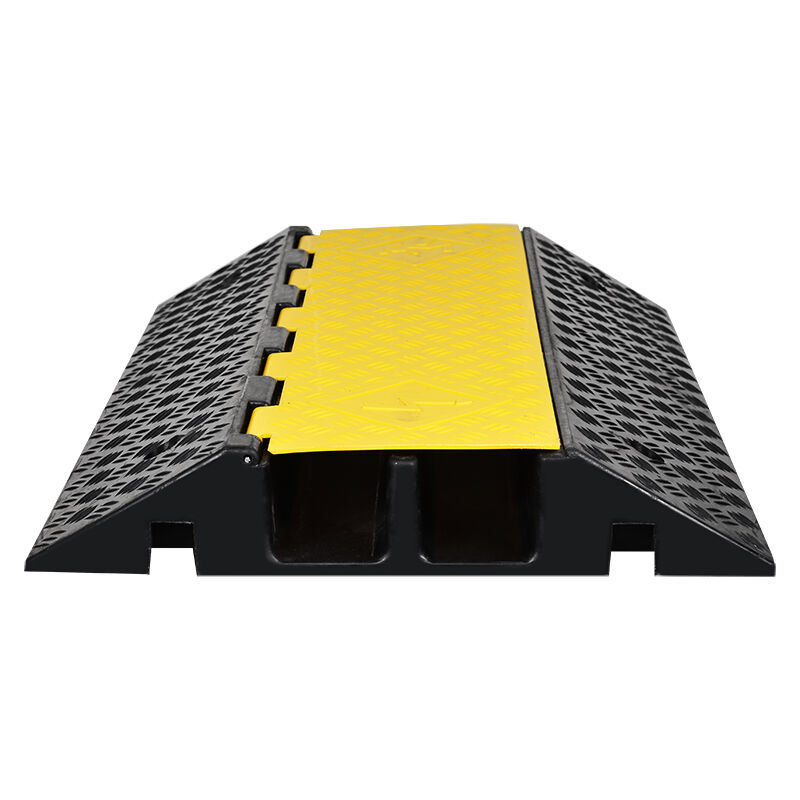
Property protection has become a paramount concern for businesses, residential complexes, and institutional facilities across the globe. Among the various security measures available today, parking barriers stand out as one of the most effective and versatile solutions for controlling vehicular access and enhancing overall property security. These physical deterrents not only prevent unauthorized vehicle entry but also provide multiple layers of protection that contribute to comprehensive security strategies.
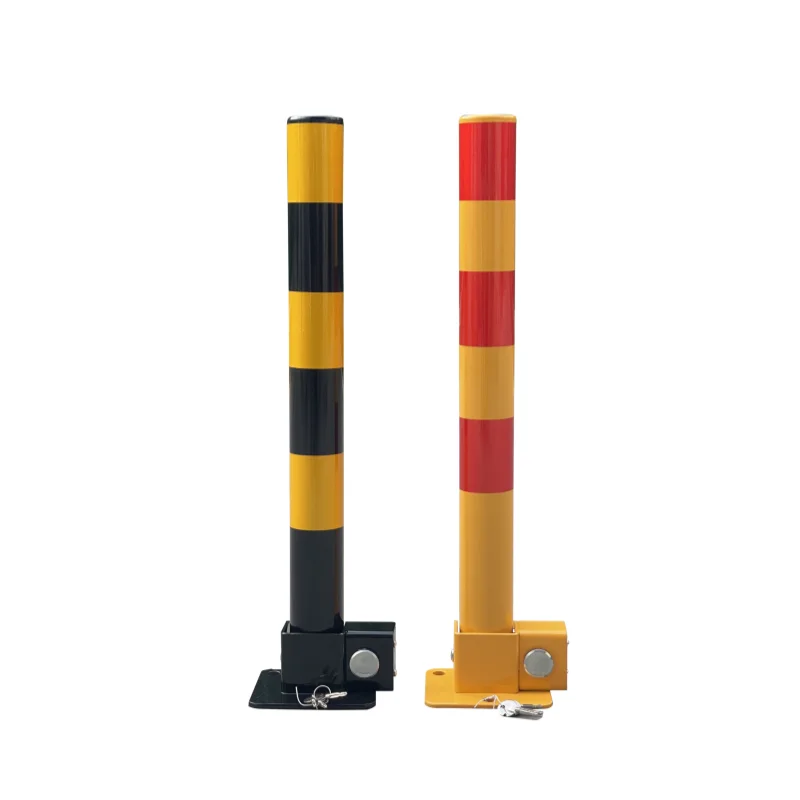
The implementation of parking barriers represents a proactive approach to property security that addresses both immediate threats and long-term protection needs. Modern parking barriers combine robust construction with intelligent design features that make them suitable for various applications, from corporate campuses to residential parking areas. Understanding how these systems enhance property protection requires examining their multifaceted benefits and practical applications in real-world scenarios.
Physical Security Enhancement Through Access Control
Unauthorized Vehicle Prevention
Parking barriers serve as the first line of defense against unauthorized vehicle access, creating a physical impediment that effectively deters potential intruders from entering restricted areas. These robust security devices are engineered to withstand significant impact while maintaining their structural integrity, ensuring that vehicles cannot breach the perimeter without proper authorization. The presence of visible parking barriers sends a clear message to potential trespassers that the area is monitored and protected.
The effectiveness of parking barriers in preventing unauthorized access extends beyond their physical presence. When strategically positioned at entry points, driveways, and critical access routes, these barriers create multiple checkpoints that force individuals to follow designated pathways. This controlled access approach significantly reduces the risk of vehicle-based security breaches and helps maintain the integrity of restricted zones within the property.
Perimeter Security Reinforcement
Modern parking barriers contribute to comprehensive perimeter security by establishing clear boundaries between public and private spaces. These devices work in conjunction with other security measures such as surveillance systems, lighting, and fencing to create a layered defense strategy. The integration of parking barriers with existing security infrastructure enhances the overall effectiveness of property protection systems.
The strategic placement of parking barriers around property perimeters creates defined zones that help security personnel monitor and control access more effectively. By channeling vehicle traffic through specific entry and exit points, these barriers enable better surveillance coverage and reduce the number of potential vulnerability points that security teams must monitor continuously.
Traffic Management and Crowd Control Benefits
Organized Vehicle Flow
Effective traffic management is essential for maintaining order and security on any property, and parking barriers play a crucial role in directing vehicle movement patterns. These devices help establish clear traffic lanes, prevent unauthorized parking in restricted areas, and ensure that emergency vehicles can access critical locations when needed. Proper traffic flow management reduces congestion and minimizes the potential for accidents or security incidents.
The implementation of parking barriers in high-traffic areas enables property managers to create designated zones for different types of vehicles, such as visitor parking, employee spaces, and service vehicle areas. This organized approach to traffic management not only improves security but also enhances the overall user experience for legitimate property users.
Emergency Response Facilitation
Parking barriers can be designed with emergency response considerations in mind, featuring quick-release mechanisms or breakaway components that allow emergency vehicles to access restricted areas rapidly when necessary. This dual functionality ensures that security measures do not impede critical emergency response operations while maintaining everyday access control.
The ability to quickly lower or remove parking barriers during emergency situations provides security personnel with flexible options for managing crisis scenarios. Modern barrier systems often incorporate remote control capabilities that enable rapid deployment or retraction from secure locations, ensuring that emergency responders can access affected areas without delay while maintaining perimeter security in unaffected zones.
Technological Integration and Smart Security Features
Automated Access Control Systems
Contemporary parking barriers often incorporate advanced technological features that enhance their effectiveness as security devices. Automated systems can be integrated with access cards, keypads, or biometric scanners to ensure that only authorized individuals can operate the barriers. These smart features eliminate the need for manual operation while maintaining detailed access logs for security monitoring purposes.
The integration of parking barriers with building management systems creates a comprehensive security network that can respond to various scenarios automatically. For example, barriers can be programmed to activate during specific hours, respond to security alerts, or coordinate with other security devices to create secure lockdown procedures when threats are detected.
Surveillance System Coordination
Modern parking barriers work seamlessly with video surveillance systems to provide enhanced monitoring capabilities at access points. Camera systems can be positioned to capture clear images of vehicles and occupants at barrier locations, creating valuable documentation for security purposes. This integration enables security personnel to verify authorization before granting access and maintain comprehensive records of all vehicle movements.
The coordination between parking barriers and surveillance systems also enables real-time monitoring of barrier status and immediate response to any attempts at unauthorized breach. Advanced systems can trigger alerts when barriers are tampered with or when unauthorized access attempts occur, allowing security teams to respond quickly to potential threats.
Economic and Liability Protection Advantages
Asset Protection and Loss Prevention
Parking barriers contribute significantly to asset protection by preventing vehicle theft, vandalism, and unauthorized use of parking facilities. The physical presence of barriers creates a deterrent effect that reduces the likelihood of criminal activity in protected areas. This protection extends to both vehicles parked within the secured area and other valuable assets located on the property.
The implementation of parking barriers as part of a comprehensive security strategy can result in reduced insurance premiums and lower liability exposure for property owners. Insurance companies often recognize the value of physical security measures and may offer favorable rates for properties that demonstrate proactive approaches to risk management and loss prevention.
Maintenance Cost Reduction
By controlling vehicle access and preventing unauthorized use of parking areas, parking barriers help reduce maintenance costs associated with property damage, cleanup, and repairs. Unauthorized vehicles often cause damage to parking surfaces, landscaping, and other property features, resulting in ongoing maintenance expenses that can be significantly reduced through proper access control.
The long-term durability of quality parking barriers makes them a cost-effective investment in property protection. Modern barriers are designed to withstand weather exposure, regular use, and attempted breaches while requiring minimal maintenance. This reliability ensures that the security benefits continue over extended periods without significant ongoing costs.
Installation Flexibility and Customization Options
Adaptable Design Solutions
Parking barriers are available in various configurations to meet specific property requirements and aesthetic preferences. From removable posts that can be stored when not needed to permanent installations with decorative elements, these devices can be customized to blend with existing architecture while providing effective security. The flexibility in design options ensures that parking barriers can enhance rather than detract from property appearance.
The modular nature of many parking barrier systems allows for easy expansion or reconfiguration as property needs change over time. This adaptability makes parking barriers a practical long-term investment that can evolve with changing security requirements or property modifications without requiring complete system replacement.
Weather Resistance and Durability
Quality parking barriers are engineered to withstand various weather conditions and environmental factors that could compromise their effectiveness. Materials such as galvanized steel, aluminum, and weather-resistant composites ensure that barriers maintain their structural integrity and appearance over extended periods of outdoor exposure.
The durability of parking barriers extends their value proposition by reducing replacement costs and maintaining consistent security performance regardless of environmental conditions. This reliability is particularly important for properties in areas with extreme weather conditions or high-corrosion environments where security devices must perform consistently despite challenging conditions.
Compliance and Regulatory Considerations
Safety Standard Adherence
Modern parking barriers are designed to comply with relevant safety standards and accessibility requirements, ensuring that their implementation does not create liability issues or regulatory violations. Proper barrier design includes features such as visibility enhancements, appropriate height specifications, and emergency access provisions that meet local building codes and safety regulations.
The compliance aspects of parking barrier installation extend to considerations for pedestrian safety, emergency vehicle access, and accessibility for individuals with disabilities. Quality barrier systems incorporate these requirements into their design to ensure that security enhancements do not create additional risks or regulatory compliance issues.
Legal Protection Enhancement
The presence of properly installed and maintained parking barriers provides property owners with enhanced legal protection in case of security incidents or liability claims. Clear demarcation of restricted areas and controlled access points helps establish the property owner's due diligence in providing reasonable security measures.
Documentation of parking barrier installations, maintenance records, and access control logs creates valuable evidence for legal proceedings related to security incidents or insurance claims. This documentation demonstrates the property owner's commitment to security and can be crucial in defending against liability claims or supporting insurance coverage requests.
FAQ
What types of parking barriers are most effective for residential properties
Residential properties benefit most from removable or fold-down parking barriers that provide security when needed while maintaining aesthetic appeal. These barriers should be constructed from durable materials like galvanized steel or aluminum and feature locking mechanisms that prevent unauthorized removal. The most effective residential parking barriers combine visibility with durability and can be easily operated by authorized users while deterring unauthorized access attempts.
How do parking barriers integrate with existing security systems
Parking barriers can be seamlessly integrated with existing security infrastructure through various technological interfaces including access control systems, surveillance cameras, and alarm networks. Modern barriers often feature electronic controls that can be connected to building management systems, allowing for centralized monitoring and control. This integration enables automated responses to security events and provides comprehensive access logging for enhanced security monitoring and incident investigation.
What maintenance requirements do parking barriers have
Parking barriers require minimal routine maintenance when properly installed and constructed from quality materials. Regular maintenance typically includes periodic cleaning, lubrication of moving parts, inspection of locking mechanisms, and verification of electronic components where applicable. Most quality parking barriers are designed for long-term outdoor use with minimal intervention, though regular inspections help ensure continued effectiveness and identify any potential issues before they compromise security performance.
How do parking barriers affect property insurance rates
Insurance companies often view parking barriers as positive risk reduction measures that may qualify properties for reduced premium rates or enhanced coverage options. The presence of effective access control measures demonstrates proactive security management, which insurers typically reward with favorable policy terms. Property owners should consult with their insurance providers about potential benefits and ensure that barrier installations meet any specific requirements for coverage discounts or liability protection enhancements.