 EN
EN

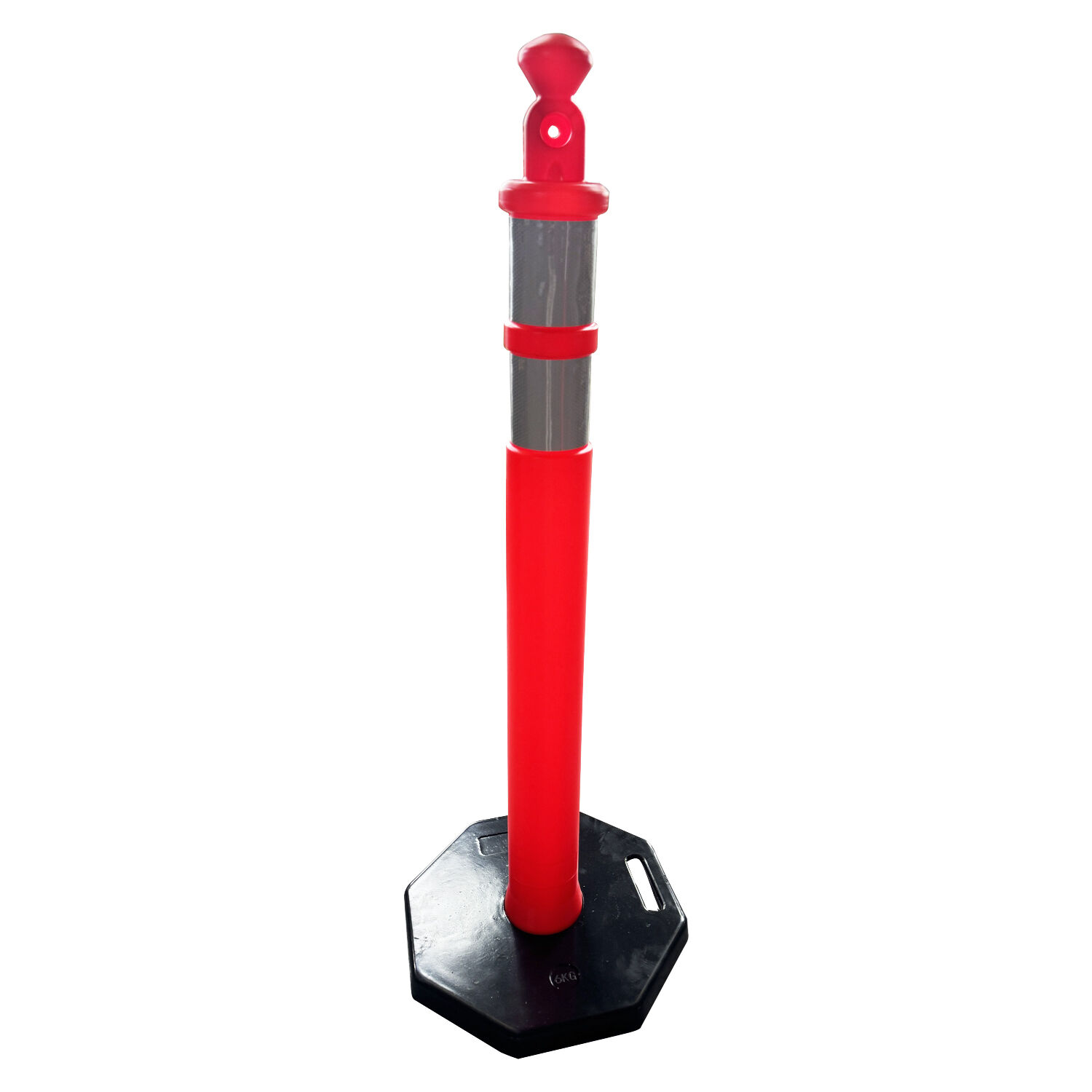
Municipal road projects demand exceptional safety measures to protect both workers and motorists navigating through construction zones. The implementation of effective orange cone traffic management systems has become a cornerstone of modern infrastructure development, ensuring visibility and safety across diverse project environments. These bright, highly visible markers serve as the primary communication tool between construction activities and public traffic flow, creating essential barriers that guide vehicles safely around work areas.

The strategic placement of orange cone traffic systems transforms chaotic construction environments into organized, predictable pathways for vehicle movement. Municipal engineers recognize that proper cone deployment significantly reduces accident rates while maintaining efficient traffic flow during critical infrastructure upgrades. Professional-grade traffic cones combine durability, visibility, and stability to withstand harsh weather conditions and repeated vehicle contact throughout extended project timelines.
Understanding Municipal Traffic Control Requirements
Regulatory Standards for Construction Zone Safety
Federal and state regulations mandate specific requirements for orange cone traffic deployment in municipal construction zones. The Manual on Uniform Traffic Control Devices establishes clear guidelines for cone spacing, height specifications, and reflective collar requirements that ensure maximum visibility during both daylight and nighttime operations. These standards require municipalities to implement comprehensive traffic control plans that prioritize public safety while maintaining reasonable access to affected roadways.
Compliance with these regulations involves careful consideration of factors including traffic volume, construction duration, and proximity to schools or hospitals. Municipal project managers must coordinate orange cone traffic placement with local law enforcement and emergency services to ensure unimpeded access during critical situations. Professional-grade cones meeting Department of Transportation specifications provide the reliability necessary for long-term municipal projects requiring consistent visibility standards.
Impact Assessment and Community Relations
Effective orange cone traffic management extends beyond regulatory compliance to encompass community impact considerations and public relations. Municipal projects affecting residential areas require enhanced communication strategies that inform citizens about expected disruptions and alternative route options. The visual presence of well-organized traffic cones signals professional project management and demonstrates municipal commitment to public safety during construction activities.
Strategic cone placement helps minimize business disruptions in commercial districts while maintaining pedestrian access to essential services. Municipal planners utilize orange cone traffic systems to create temporary walkways and designated crossing areas that preserve community connectivity throughout project phases. This approach builds public trust and reduces complaints by showing respect for community needs during necessary infrastructure improvements.
Advanced Cone Technologies for Enhanced Visibility
Reflective Materials and Light Integration
Modern orange cone traffic solutions incorporate advanced reflective materials that dramatically improve visibility under challenging lighting conditions. High-intensity prismatic sheeting provides superior retroreflectivity compared to standard reflective tapes, ensuring consistent visibility from extended distances across various weather scenarios. These technological improvements have revolutionized municipal traffic control by extending effective visibility ranges and reducing accident rates in construction zones.
Solar-powered LED integration represents the latest evolution in orange cone traffic technology, providing active illumination that operates independently of external power sources. These intelligent cone systems automatically activate during low-light conditions and can be programmed for specific flash patterns that enhance driver awareness. Municipal projects utilizing LED-enhanced cones report significant improvements in driver compliance and reduced incidents of cone displacement or damage.
Weight Distribution and Stability Engineering
Professional orange cone traffic systems employ sophisticated weight distribution engineering to maintain stability in high-wind conditions and vehicle wake turbulence. Heavy-duty bases utilizing recycled rubber compounds provide optimal ground contact while remaining manageable for daily repositioning during active construction phases. The engineering balance between stability and portability represents a critical factor in municipal project efficiency and worker safety.
Stackable cone designs enable efficient transportation and storage between project phases, reducing municipal equipment costs and storage requirements. Advanced base configurations resist overturning while allowing controlled movement under extreme conditions, preventing dangerous projectile situations that could endanger passing motorists. These engineering improvements have made orange cone traffic management more reliable and cost-effective for municipal applications.
Strategic Deployment Patterns for Maximum Effectiveness
Lane Closure and Merge Configuration
Effective orange cone traffic deployment requires systematic approaches to lane closure and vehicle merge patterns that accommodate varying traffic volumes throughout project timelines. Professional cone placement creates gradual transition zones that allow drivers adequate time to safely change lanes while maintaining consistent traffic flow speeds. Municipal traffic engineers utilize specific spacing formulas based on posted speed limits and expected traffic volumes to optimize cone positioning.
Merge taper configurations represent critical elements of orange cone traffic management, requiring precise cone spacing that guides vehicles smoothly from multiple lanes into reduced capacity areas. The length and angle of merge zones directly impact driver behavior and overall traffic safety, making professional cone placement essential for successful municipal projects. Proper taper design reduces aggressive driving behaviors and maintains predictable traffic patterns throughout construction phases.
Intersection and Complex Area Management
Municipal projects involving intersections and complex roadway geometries require specialized orange cone traffic configurations that maintain safe vehicle movement while protecting construction workers. Multi-directional traffic control demands careful coordination between cone placement and temporary signage to prevent driver confusion and maintain clear navigation pathways. Professional cone systems provide the flexibility necessary to adapt to changing project requirements and traffic patterns.
Roundabout construction and intersection improvements utilize orange cone traffic patterns that preserve essential turning movements while accommodating heavy construction equipment. These complex deployments require ongoing adjustment and monitoring to maintain safety standards as project phases progress and traffic patterns evolve. Municipal engineers rely on versatile cone systems that support frequent reconfiguration without compromising visibility or stability requirements.
Maintenance and Longevity Considerations
Weather Resistance and Durability Testing
Municipal orange cone traffic systems must withstand extreme weather conditions including high winds, heavy precipitation, and temperature fluctuations that can degrade visibility and structural integrity. Professional-grade cones undergo rigorous testing to ensure consistent performance across diverse climate conditions and seasonal variations. UV-resistant materials prevent color fading and maintain visibility standards throughout extended deployment periods typical of major municipal projects.
Salt exposure and chemical resistance represent additional durability considerations for orange cone traffic systems deployed during winter maintenance operations. Municipalities operating in harsh climates require cone materials that resist corrosion and maintain flexibility in sub-zero temperatures. Advanced polymer formulations provide superior cold-weather performance while maintaining the bright orange coloration essential for traffic visibility and regulatory compliance.
Replacement Scheduling and Cost Management
Proactive replacement scheduling for orange cone traffic systems enables municipalities to maintain consistent safety standards while optimizing equipment budgets through bulk purchasing and standardized specifications. Regular inspection programs identify cones requiring replacement before visibility degradation compromises project safety. Professional fleet management approaches reduce overall costs while ensuring reliable cone availability throughout multiple concurrent municipal projects.
Standardization across municipal departments enables economies of scale in orange cone traffic procurement while simplifying maintenance and replacement procedures. Centralized inventory management ensures consistent cone specifications across various project types and seasonal demands. This systematic approach reduces emergency replacement costs and maintains professional appearance standards that reflect municipal commitment to public safety and infrastructure quality.
FAQ
What height requirements apply to municipal orange cone traffic systems
Municipal orange cone traffic systems must meet specific height requirements established by federal and state transportation authorities. Standard highway applications require cones measuring 28 to 36 inches in height, while urban environments may utilize shorter cones ranging from 18 to 28 inches depending on speed limits and traffic volume. These height specifications ensure adequate visibility for drivers while maintaining appropriate proportions for the roadway environment and expected vehicle types.
How do weather conditions affect orange cone traffic performance
Weather conditions significantly impact orange cone traffic visibility and stability, requiring municipalities to consider seasonal factors when selecting cone specifications. High winds can displace lightweight cones, while heavy precipitation may reduce reflective effectiveness of standard materials. Professional-grade cones incorporate weather-resistant materials and weighted bases designed to maintain performance across diverse climate conditions, ensuring consistent traffic control throughout varying seasonal challenges.
What maintenance schedule should municipalities follow for traffic cone management
Municipal orange cone traffic maintenance should follow systematic inspection schedules that evaluate cone condition, reflective effectiveness, and overall visibility on a monthly basis during active deployment. Cones showing signs of fading, cracking, or damaged reflective materials require immediate replacement to maintain safety standards. Professional maintenance programs include cleaning procedures, storage protocols, and replacement criteria that optimize cone performance while controlling municipal equipment costs.
How does cone spacing affect traffic flow in construction zones
Proper orange cone traffic spacing directly influences driver behavior and overall traffic safety in municipal construction zones. Spacing intervals must account for posted speed limits, with higher speeds requiring greater distances between cones to provide adequate reaction time for lane changes and hazard avoidance. Professional spacing calculations consider traffic volume, construction equipment movement, and worker safety zones to create optimal balance between traffic flow efficiency and comprehensive safety protection.