 EN
EN

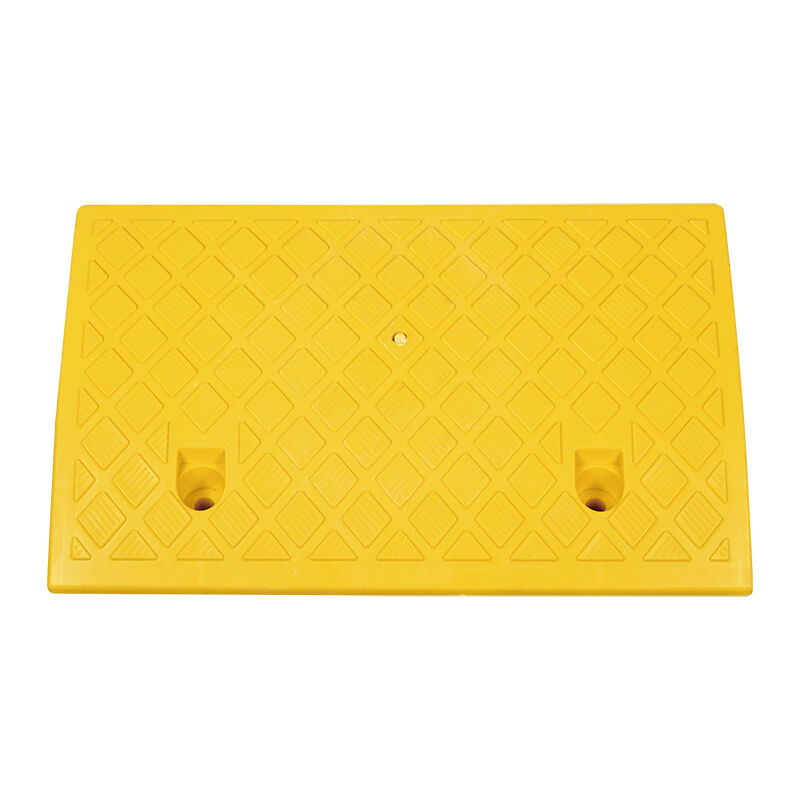
Commercial facilities across various industries face unique challenges when it comes to providing seamless vehicular access. From warehouses and distribution centers to retail locations and office complexes, the need for smooth transitions between different surface levels has become increasingly important. Driveway curb ramps serve as essential infrastructure components that bridge the gap between roadways and elevated surfaces, ensuring safe and efficient vehicle movement while maintaining compliance with accessibility standards.
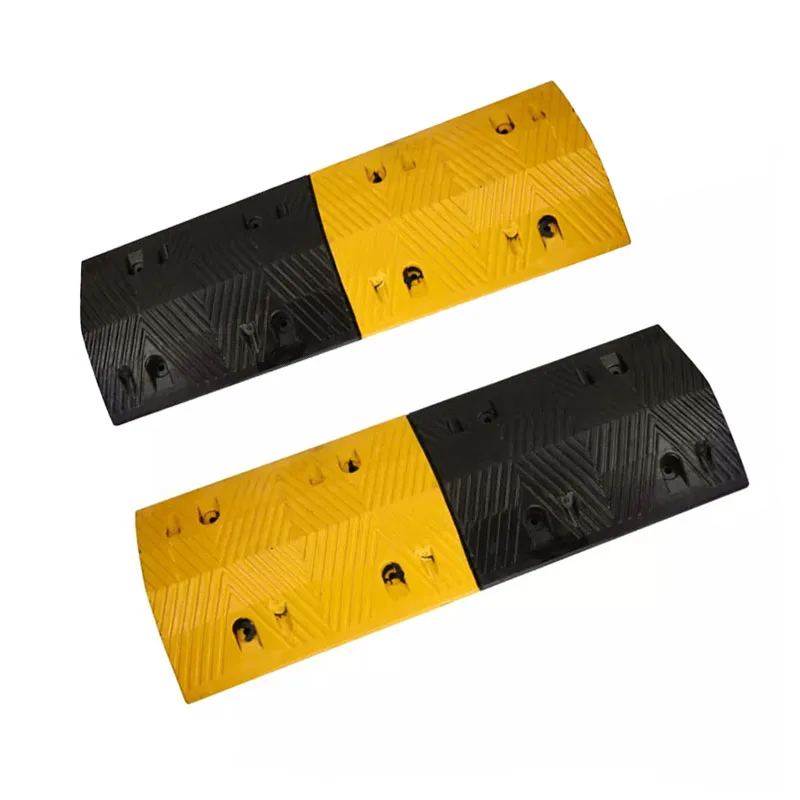
The implementation of proper access solutions in commercial environments extends beyond basic functionality to encompass safety, efficiency, and regulatory compliance. Modern businesses recognize that inadequate access infrastructure can result in vehicle damage, increased liability, and operational disruptions. Professional-grade driveway curb ramps address these concerns by providing engineered solutions that accommodate various vehicle types while protecting both property and equipment.
Understanding Commercial Access Requirements
Vehicle Type Considerations
Commercial facilities typically accommodate a diverse range of vehicles, from standard passenger cars to heavy-duty delivery trucks. Driveway curb ramps must be designed to handle varying weight capacities and axle configurations without compromising structural integrity. The slope angle and surface materials play crucial roles in determining whether a ramp system can safely support different vehicle classifications.
Loading zones present particularly complex challenges, as delivery vehicles often require precise positioning for efficient cargo handling. Traditional curb designs can create bottlenecks and force drivers to navigate awkward angles, potentially leading to delays and increased risk of accidents. Properly installed driveway curb ramps eliminate these obstacles by creating smooth transition zones that accommodate various maneuvering requirements.
Regulatory Compliance Standards
Commercial properties must adhere to numerous accessibility regulations, including Americans with Disabilities Act guidelines and local building codes. These requirements extend to vehicular access points, where specific slope ratios and surface treatments are mandated to ensure safe operation. Driveway curb ramps designed for commercial use incorporate these regulatory standards while providing additional features that enhance overall functionality.
Insurance considerations also influence access design decisions, as inadequate infrastructure can lead to increased premiums and liability exposure. Many insurance providers offer favorable rates for properties that demonstrate proactive safety measures, including the installation of appropriate ramp systems. This creates a compelling business case for investing in high-quality access solutions that protect both assets and stakeholders.
Safety Enhancement Through Proper Design
Impact Reduction Technology
Modern driveway curb ramps incorporate advanced materials and design features that significantly reduce impact forces on vehicles and cargo. Rubber compositions with specific durometer ratings provide optimal cushioning while maintaining structural stability under heavy loads. This technology protects sensitive equipment and reduces maintenance costs associated with vehicle wear and tear.
The geometric design of professional ramp systems also contributes to safety by creating gradual transitions that minimize sudden elevation changes. Sharp edges and abrupt height differences can cause loss of vehicle control, particularly in wet conditions or when drivers are unfamiliar with the facility layout. Engineered driveway curb ramps address these concerns through carefully calculated angles and surface treatments that promote stable vehicle handling.
Visibility and Weather Resistance
Commercial facilities operate around the clock in various weather conditions, making visibility a critical safety factor. High-quality driveway curb ramps feature reflective materials and contrasting colors that remain visible under low-light conditions and adverse weather. These visual cues help drivers identify transition zones and adjust their approach accordingly, reducing the likelihood of accidents and property damage.
Weather resistance capabilities ensure consistent performance regardless of environmental conditions. UV stabilization prevents material degradation from prolonged sun exposure, while specialized compounds maintain flexibility in extreme temperatures. This durability translates to reliable operation and reduced replacement costs over the product lifecycle, making quality ramp systems a sound long-term investment.
Operational Efficiency Benefits
Traffic Flow Optimization
Efficient traffic flow directly impacts operational productivity in commercial environments. Driveway curb ramps eliminate bottlenecks that force vehicles to slow down or navigate complex maneuvers when transitioning between surface levels. This improvement reduces cycle times for delivery vehicles and service providers, ultimately enhancing overall facility throughput.
The strategic placement of ramp systems also enables better facility layout design, allowing architects and planners to optimize space utilization without compromising access requirements. Multiple access points can be created using standardized ramp components, providing flexibility for future expansion or reconfiguration as business needs evolve.
Maintenance Cost Reduction
Traditional concrete or asphalt transitions often require frequent repairs due to impact damage and environmental weathering. Driveway curb ramps manufactured from high-grade materials offer superior longevity and require minimal maintenance intervention. This advantage becomes particularly significant in high-traffic commercial applications where downtime for repairs can disrupt operations.
The modular nature of many ramp systems also simplifies maintenance procedures, as individual components can be replaced without affecting the entire installation. This approach minimizes disruption to facility operations while providing cost-effective solutions for addressing wear and damage over time.
Installation and Integration Considerations
Site Preparation Requirements
Successful installation of driveway curb ramps requires careful assessment of existing surface conditions and drainage patterns. Proper site preparation ensures optimal performance and longevity while preventing issues such as water pooling or unstable foundations. Professional installation teams evaluate factors including soil composition, existing utilities, and traffic patterns to develop appropriate implementation strategies.
Integration with existing infrastructure presents unique challenges that must be addressed during the planning phase. Coordination with utility providers, drainage systems, and architectural elements requires detailed planning to avoid conflicts and ensure seamless operation. Experienced contractors understand these complexities and can provide solutions that minimize disruption while maximizing functionality.
Long-term Performance Optimization
The selection of appropriate driveway curb ramps for specific applications depends on numerous factors including expected traffic volume, vehicle types, and environmental conditions. Professional assessment helps identify the optimal specifications for each installation, ensuring that the chosen system will provide reliable service throughout its intended lifespan.
Performance monitoring protocols can be established to track system effectiveness and identify potential issues before they impact operations. Regular inspections and preventive maintenance schedules help maintain optimal performance while protecting the investment in access infrastructure. This proactive approach demonstrates due diligence and supports long-term operational efficiency goals.
FAQ
What weight capacity should commercial driveway curb ramps support
Commercial driveway curb ramps should typically support vehicle weights ranging from 40,000 to 80,000 pounds, depending on the types of vehicles accessing the facility. Heavy-duty applications may require systems rated for even higher capacities. It's essential to evaluate the maximum expected vehicle weight and select ramps with appropriate safety margins to ensure long-term reliability and compliance with structural requirements.
How do driveway curb ramps improve facility safety ratings
Driveway curb ramps enhance facility safety by eliminating sharp elevation transitions that can cause vehicle damage or loss of control. They provide controlled access points that reduce accident risks and improve traffic flow predictability. Insurance companies often recognize these safety improvements through reduced premiums, and regulatory agencies view proper access infrastructure as evidence of proactive safety management.
Can driveway curb ramps be relocated if facility layouts change
Many modern driveway curb ramps feature modular designs that allow for relocation and reconfiguration as facility needs evolve. Portable and semi-permanent options provide flexibility for businesses that may need to adjust access points due to expansion, renovation, or operational changes. However, permanent installations may require professional removal and reinstallation to maintain structural integrity and safety standards.
What maintenance is required for commercial-grade driveway curb ramps
Commercial driveway curb ramps require minimal maintenance when properly installed and manufactured from quality materials. Regular cleaning to remove debris and periodic inspection for signs of wear or damage constitute the primary maintenance requirements. High-traffic installations may benefit from annual professional inspections to identify potential issues before they affect performance or safety. Proper drainage maintenance around ramp installations also helps prevent premature deterioration.