 EN
EN

Reflective tape serves as a critical safety component across numerous industries and applications, providing enhanced visibility during low-light conditions and nighttime operations. This specialized adhesive material incorporates retroreflective technology that redirects light back to its source, making objects and personnel significantly more visible to drivers, operators, and workers in hazardous environments. The importance of reflective tape extends beyond simple visibility enhancement, encompassing regulatory compliance, accident prevention, and life-saving applications that benefit both commercial and personal safety initiatives.
Understanding Reflective Tape Technology and Applications
Retroreflective Material Composition and Design
Reflective tape utilizes advanced retroreflective technology featuring glass beads or prismatic materials embedded within a durable backing substrate. These microscopic elements create a surface that efficiently returns light rays along their original path, regardless of the angle of incidence. The glass bead construction typically incorporates thousands of tiny spheres per square inch, each acting as a miniature lens that captures and redirects incoming light sources. Prismatic designs employ precisely engineered geometric patterns that achieve superior brightness levels compared to traditional glass bead configurations.
Manufacturing processes for reflective tape involve multiple layers of specialized materials designed to withstand environmental challenges while maintaining optimal optical performance. The adhesive backing system must provide reliable bonding to various substrate materials including metals, plastics, fabrics, and painted surfaces. Weather-resistant topcoats protect the retroreflective elements from moisture, UV radiation, temperature fluctuations, and physical abrasion that could compromise visibility characteristics over time.
Industry Standards and Performance Classifications
Professional-grade reflective tape must comply with stringent industry standards established by organizations such as the American Society for Testing and Materials, the Department of Transportation, and international safety regulatory bodies. These specifications define minimum retroreflectivity values, durability requirements, color consistency parameters, and environmental resistance criteria. Performance classifications range from basic visibility enhancement applications to high-intensity professional uses requiring maximum light return capabilities under critical safety conditions.
Testing protocols evaluate reflective tape performance across multiple parameters including initial brightness levels, retention characteristics after weathering exposure, adhesion strength measurements, and color fastness under various lighting conditions. These comprehensive assessments ensure that reflective tape products deliver consistent safety benefits throughout their intended service life while maintaining compliance with applicable safety regulations and industry best practices.
Critical Safety Applications Across Multiple Industries
Transportation and Traffic Management Solutions
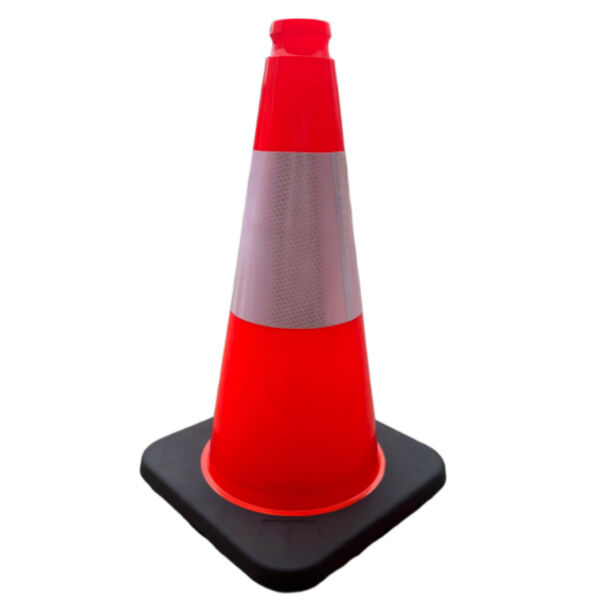
Transportation infrastructure relies heavily on reflective tape applications to enhance roadway safety during nighttime and low-visibility conditions. Traffic cones, barriers, signage, and lane delineation markers incorporate high-performance reflective tape to guide drivers safely through construction zones, accident scenes, and temporary traffic control situations. The retroreflective properties ensure that these safety devices remain visible from significant distances, providing adequate reaction time for vehicle operators to respond appropriately to changing road conditions.
Commercial vehicle safety regulations mandate the use of reflective tape on trucks, trailers, buses, and emergency response vehicles to improve visibility during nighttime operations. Strategic placement patterns outlined in federal motor carrier safety regulations specify minimum retroreflective coverage requirements for different vehicle categories. These applications significantly reduce the likelihood of rear-end collisions and side-impact accidents involving large commercial vehicles operating in low-light environments.
Industrial Workplace Safety Implementation
Manufacturing facilities, warehouses, construction sites, and other industrial environments utilize reflective tape to identify hazardous areas, mark emergency equipment locations, and enhance worker visibility during shift operations. Forklift pathways, loading dock areas, machinery boundaries, and emergency exit routes commonly feature reflective tape applications that remain clearly visible under standard facility lighting as well as emergency illumination systems. This dual-purpose functionality ensures consistent safety performance regardless of operational lighting conditions.
Personal protective equipment incorporating reflective tape provides enhanced worker visibility in environments where personnel operate alongside heavy machinery or vehicular traffic. Safety vests, hard hats, jackets, and other protective garments feature strategically positioned reflective tape elements that create distinctive visibility patterns recognizable to equipment operators and supervisory personnel. These applications prove particularly valuable during nighttime construction activities, airport ground operations, and emergency response situations where worker safety depends on immediate recognition and identification.
Design Considerations for Maximum Effectiveness
Strategic Placement and Pattern Selection
Effective reflective tape implementation requires careful consideration of placement locations, pattern configurations, and viewing angles to achieve optimal visibility enhancement. Horizontal and vertical stripe patterns create distinctive visual signatures that help observers quickly identify protected objects or personnel from various approach angles. Corner and edge applications maximize retroreflective coverage while maintaining cost-effectiveness for large-scale installations requiring extensive safety marking systems.
Contrast considerations play a crucial role in reflective tape effectiveness, particularly when applied to backgrounds that may interfere with visibility under certain lighting conditions. Color selection must account for ambient lighting characteristics, background surface properties, and regulatory requirements specific to the intended application. Fluorescent backing materials enhance daytime visibility while maintaining excellent retroreflective performance during nighttime conditions, providing comprehensive safety coverage throughout all operational periods.
Environmental Durability and Longevity Factors
Outdoor applications subject reflective tape to challenging environmental conditions including temperature extremes, moisture exposure, UV radiation, chemical contamination, and physical wear from operational activities. Material selection must consider these factors to ensure consistent performance throughout the expected service life. Marine-grade adhesive systems resist saltwater corrosion while industrial formulations withstand chemical exposure common in manufacturing environments.
Maintenance schedules should incorporate regular inspection and replacement protocols to maintain optimal reflective tape performance over time. Cleaning procedures must preserve retroreflective properties while removing accumulated dirt, debris, or chemical residues that could diminish visibility characteristics. Proper maintenance practices extend service life and ensure continued compliance with safety regulations requiring minimum retroreflectivity levels for critical applications.
Compliance Requirements and Regulatory Standards
Federal and State Safety Regulations
Government agencies establish comprehensive regulations governing reflective tape applications in various industries to ensure consistent safety standards across different operational environments. The Federal Highway Administration specifies retroreflectivity requirements for traffic control devices, while the Occupational Safety and Health Administration mandates visibility standards for industrial workplace safety equipment. These regulatory frameworks define minimum performance criteria, testing procedures, and compliance verification methods for reflective tape installations.
State and local jurisdictions may impose additional requirements beyond federal standards, particularly for specialized applications such as emergency vehicle markings, school transportation safety, or municipal traffic control operations. Compliance verification often requires documentation of product specifications, installation procedures, and ongoing maintenance activities to demonstrate adherence to applicable safety regulations during inspections or incident investigations.
International Standards and Export Considerations
International markets require compliance with region-specific safety standards that may differ significantly from domestic regulations. European CE marking requirements, ISO international standards, and country-specific certification programs each establish unique testing protocols and performance criteria for reflective tape products. Export applications must verify compatibility with destination market requirements to ensure legal compliance and optimal safety performance in international installations.
Quality assurance programs should incorporate testing procedures that verify reflective tape performance against multiple international standards when products will be utilized in global applications. This comprehensive approach ensures consistent safety benefits regardless of installation location while simplifying inventory management for organizations operating across multiple regulatory jurisdictions with varying compliance requirements.
Cost-Benefit Analysis and Implementation Strategies
Economic Impact of Safety Investment
Reflective tape installations represent a relatively low-cost safety investment that delivers significant returns through accident prevention, insurance premium reductions, and regulatory compliance benefits. The economic impact of workplace injuries, vehicle accidents, and safety violations far exceeds the modest cost of implementing comprehensive reflective tape safety systems. Organizations that prioritize proactive safety measures often experience reduced liability exposure, improved insurance ratings, and enhanced operational efficiency through fewer safety-related disruptions.
Long-term cost considerations should evaluate total ownership expenses including initial material costs, installation labor, ongoing maintenance requirements, and periodic replacement needs. High-quality reflective tape products typically provide superior durability and performance characteristics that justify premium pricing through extended service life and reduced maintenance frequency compared to economy alternatives that may require more frequent replacement cycles.
Implementation Planning and Project Management
Successful reflective tape implementation requires systematic planning that addresses installation sequencing, material specifications, quality control procedures, and completion timelines. Large-scale projects benefit from phased implementation approaches that allow for performance evaluation and process refinement before completing full installations. Project management considerations should include weather dependency factors, operational disruption minimization, and coordination with other safety system installations or facility modifications.
Training programs should educate installation personnel on proper application techniques, quality standards, and safety procedures specific to reflective tape installations. Proper surface preparation, environmental condition requirements, and curing procedures directly impact long-term performance and durability outcomes. Comprehensive training ensures consistent installation quality while reducing the likelihood of premature failure or performance degradation that could compromise safety benefits.
FAQ
How long does reflective tape typically last in outdoor environments
High-quality reflective tape designed for outdoor applications typically maintains effective retroreflective performance for three to seven years, depending on environmental exposure conditions and product specifications. Factors affecting longevity include UV radiation intensity, temperature fluctuations, moisture exposure, chemical contamination, and physical wear from operational activities. Premium grades featuring advanced weather-resistant coatings and adhesive systems can achieve extended service life in challenging environments while maintaining compliance with applicable safety regulations throughout their operational lifespan.
What surface preparation is required before applying reflective tape
Proper surface preparation involves thorough cleaning to remove dirt, grease, moisture, paint residues, or other contaminants that could interfere with adhesive bonding. Most applications require degreasing with appropriate solvents followed by complete drying before tape application. Smooth surfaces generally provide optimal adhesion, though textured substrates may require primer application or specialized adhesive formulations. Temperature conditions during installation should fall within manufacturer specifications, typically between 50-100°F, to ensure proper adhesive activation and bonding characteristics.
Can reflective tape be applied over existing paint or coatings
Reflective tape can be successfully applied over most properly cured paint systems and protective coatings, provided the surface meets adhesion requirements and remains dimensionally stable. However, compatibility testing is recommended for critical applications, particularly when applying tape over specialty coatings, powder-coated surfaces, or recently painted substrates. Some paint systems may require aging periods before tape application to prevent adhesive failure or coating damage. Primer application may enhance bonding performance on challenging surfaces or improve long-term durability in demanding environmental conditions.
What maintenance procedures help preserve reflective tape performance
Regular maintenance involves gentle cleaning with mild soap solutions and soft brushes to remove accumulated dirt, debris, or chemical residues that could diminish retroreflective properties. Avoid abrasive cleaners, pressure washing, or harsh chemicals that might damage the retroreflective surface or compromise adhesive bonding. Periodic inspection should identify areas showing wear, damage, or reduced visibility performance requiring replacement. Prompt repair or replacement of damaged sections prevents safety performance degradation and maintains compliance with applicable visibility standards throughout the installation's service life.