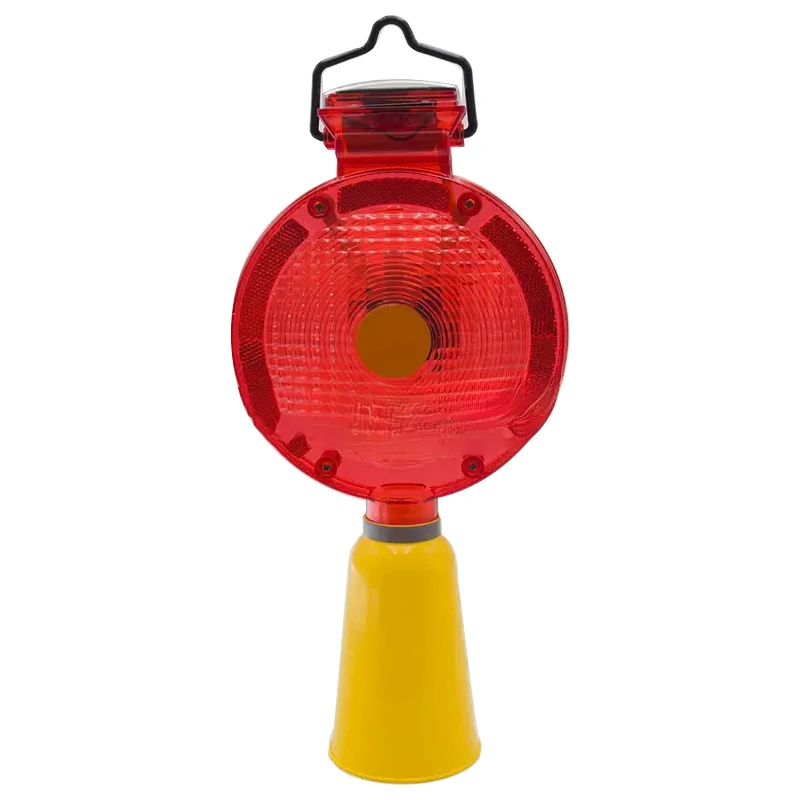
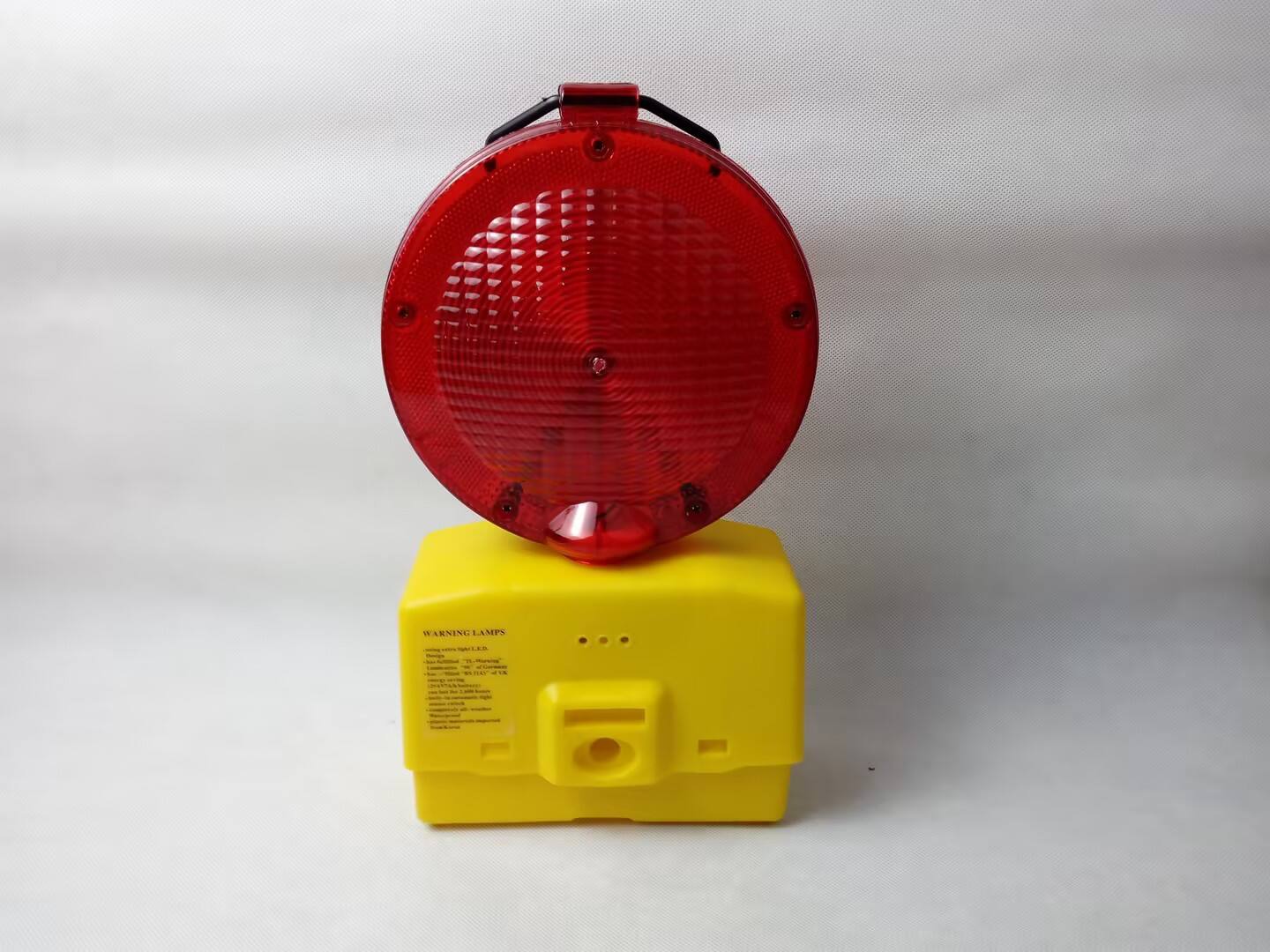
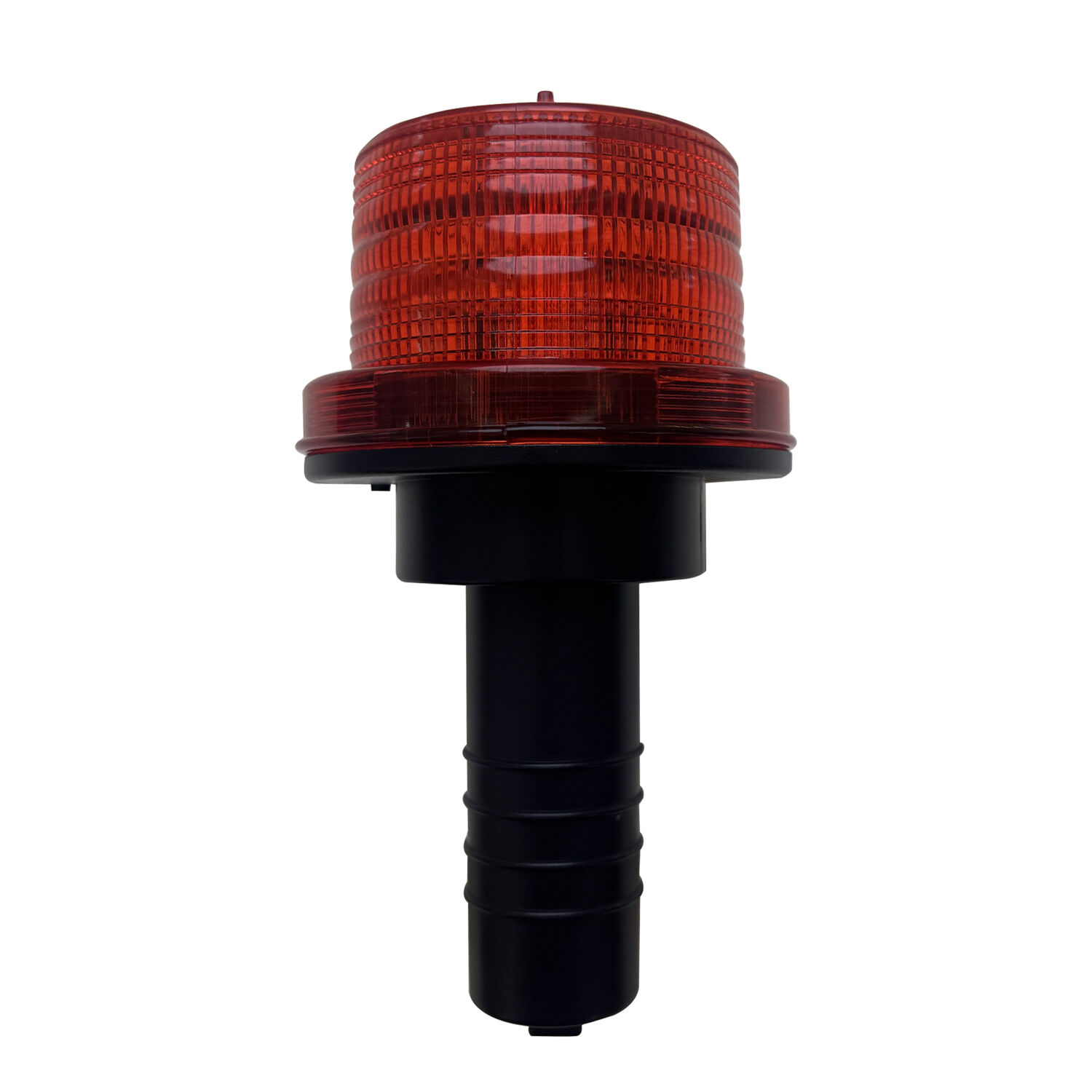
four way traffic light
A four way traffic light represents a sophisticated traffic management system designed to regulate vehicle and pedestrian movement at intersections where two roads cross. This innovative system typically consists of four sets of traffic signals, each facing one approach to the intersection, complete with red, yellow, and green indicators. Each signal operates in a coordinated sequence to ensure safe and efficient traffic flow from all directions. Modern four way traffic lights incorporate advanced features such as LED technology for enhanced visibility and energy efficiency, timer displays for pedestrian crossings, and smart sensors that detect vehicle presence to optimize signal timing. The system often includes dedicated turn signals, pedestrian crossing buttons, and emergency vehicle preemption capabilities. These traffic lights are typically mounted on poles or suspended on cables above the intersection, providing clear visibility to approaching vehicles. The standardized positioning and universal color coding make them easily recognizable and interpretable for drivers worldwide. Many contemporary four way traffic lights are now part of interconnected smart traffic management systems, allowing for real time adjustments based on traffic patterns and emergency situations. This sophisticated traffic control device has become an essential component of urban infrastructure, helping to prevent accidents and maintain orderly traffic flow at busy intersections.
 EN
EN