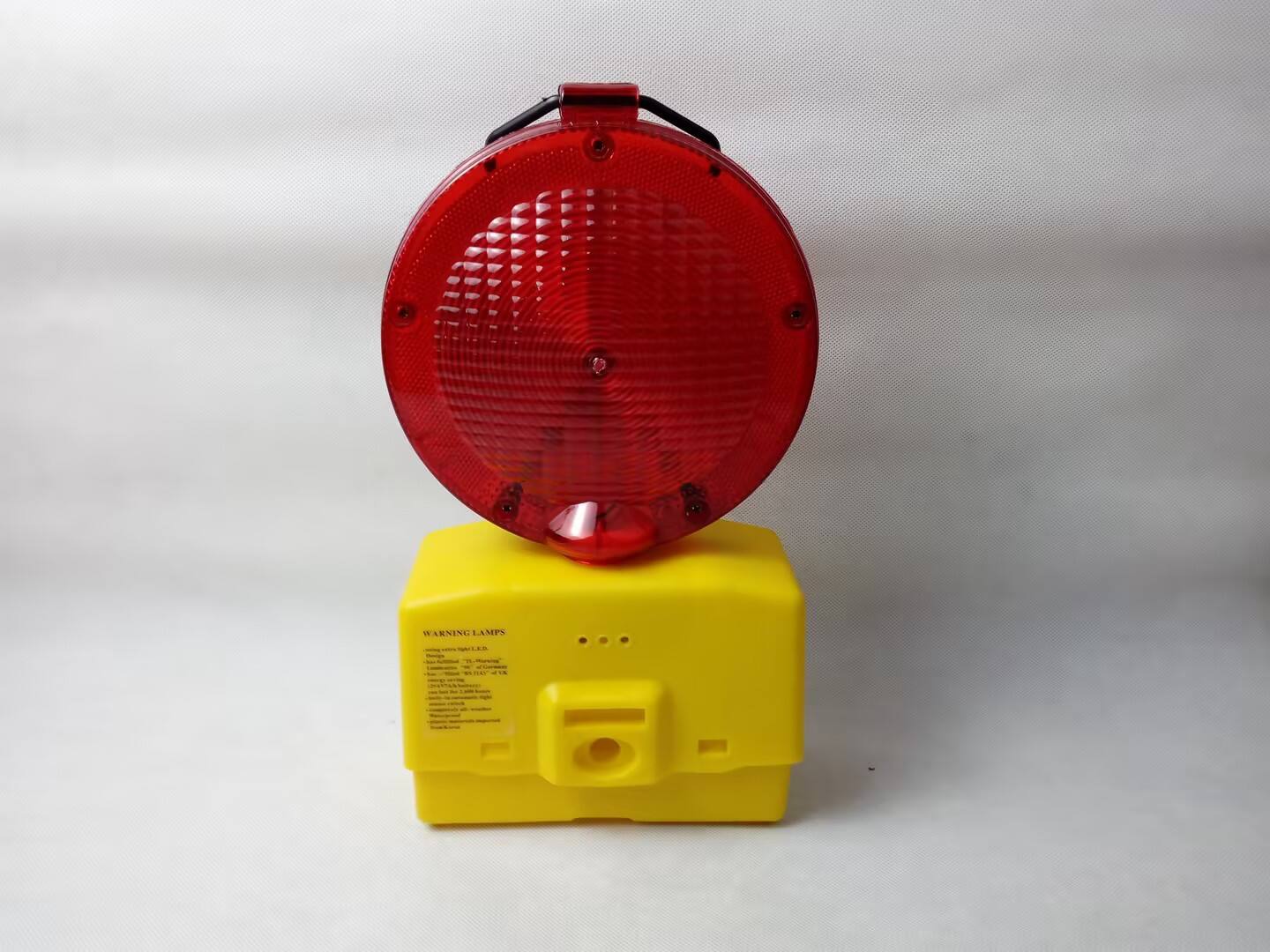
crossing traffic lights
Crossing traffic lights are sophisticated traffic management systems designed to regulate pedestrian and vehicular movement at intersections. These advanced systems incorporate multiple signal heads, LED technology, and intelligent timing mechanisms to ensure safe passage for all road users. The main components include pedestrian signals with countdown displays, vehicle traffic lights, audio signals for visually impaired individuals, and push buttons for pedestrian activation. Modern crossing traffic lights utilize microprocessor-controlled systems that can adapt to traffic patterns and coordinate with nearby intersections for optimal flow. They feature high-visibility LED displays that consume less energy while providing clear visibility in various weather conditions. The systems often include backup power supplies to maintain operation during outages and remote monitoring capabilities for traffic management centers. Advanced models incorporate sensors to detect vehicle presence and pedestrian movement, allowing for dynamic timing adjustments. These lights are essential in urban planning, helping to reduce accidents, manage traffic flow, and provide safe crossing opportunities for pedestrians. The integration of smart technology allows for real-time adjustments based on traffic volume and pedestrian demand, making them an integral part of modern smart city infrastructure.
 EN
EN