traffic control lights
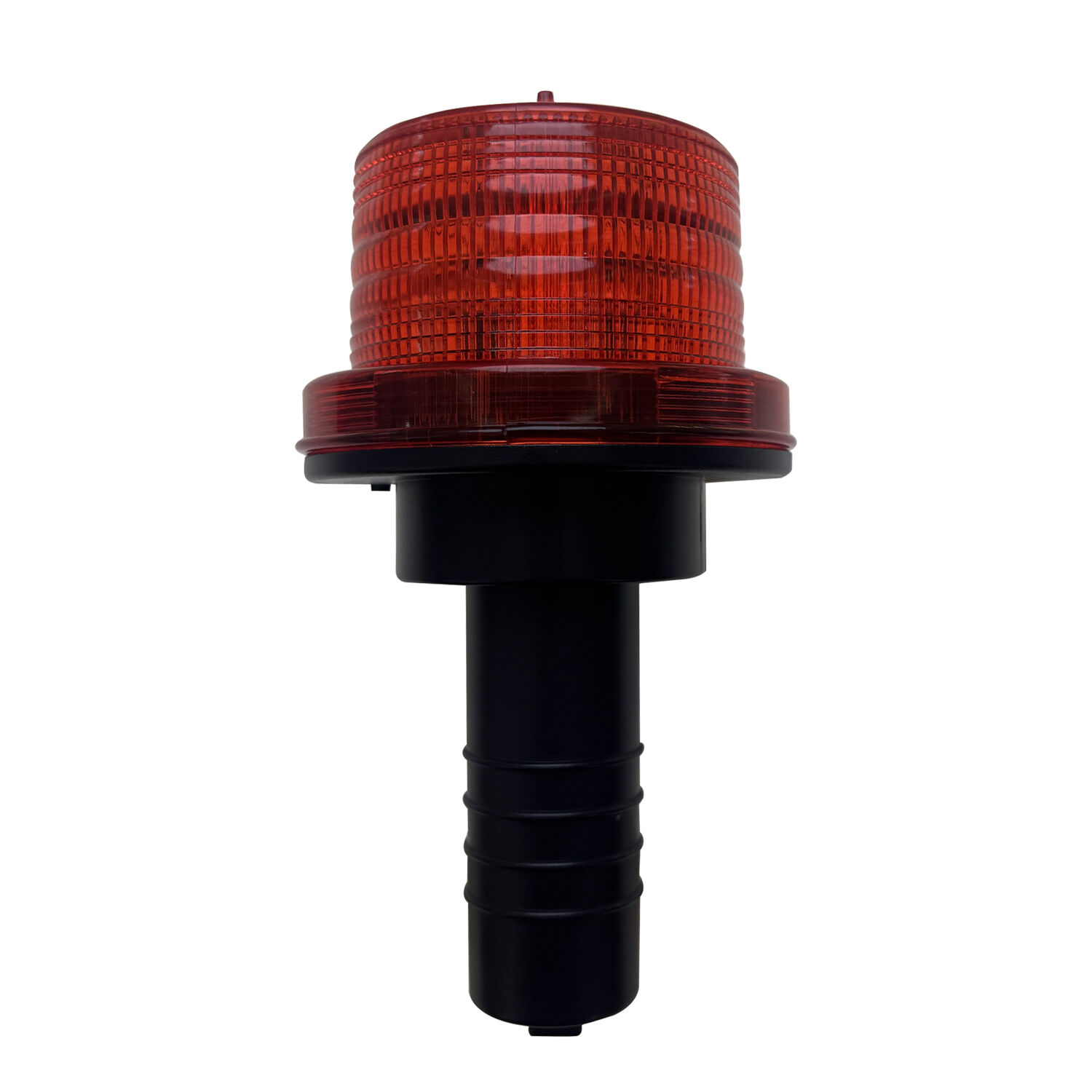
Traffic control lights are sophisticated electronic systems designed to manage vehicular and pedestrian traffic flow at intersections and crossings. These essential infrastructure components utilize advanced microprocessor technology to coordinate multiple signal displays, ensuring safe and efficient movement of traffic. Modern traffic control lights incorporate LED technology for enhanced visibility and energy efficiency, while also featuring backup power systems for continuous operation during outages. These systems typically operate through a combination of pre-timed and dynamic control mechanisms, responding to real-time traffic conditions through embedded sensors and cameras. The lights follow standardized color sequences, with red indicating stop, yellow for caution, and green for proceed, complemented by additional signals for turning movements and pedestrian crossings. Many contemporary systems are integrated with smart city networks, allowing for remote monitoring and adjustment of timing patterns to optimize traffic flow. These systems also include features such as emergency vehicle preemption, which automatically adjusts signal timing to facilitate the passage of emergency vehicles, and automated pedestrian detection for enhanced safety at crosswalks.
 EN
EN