 EN
EN

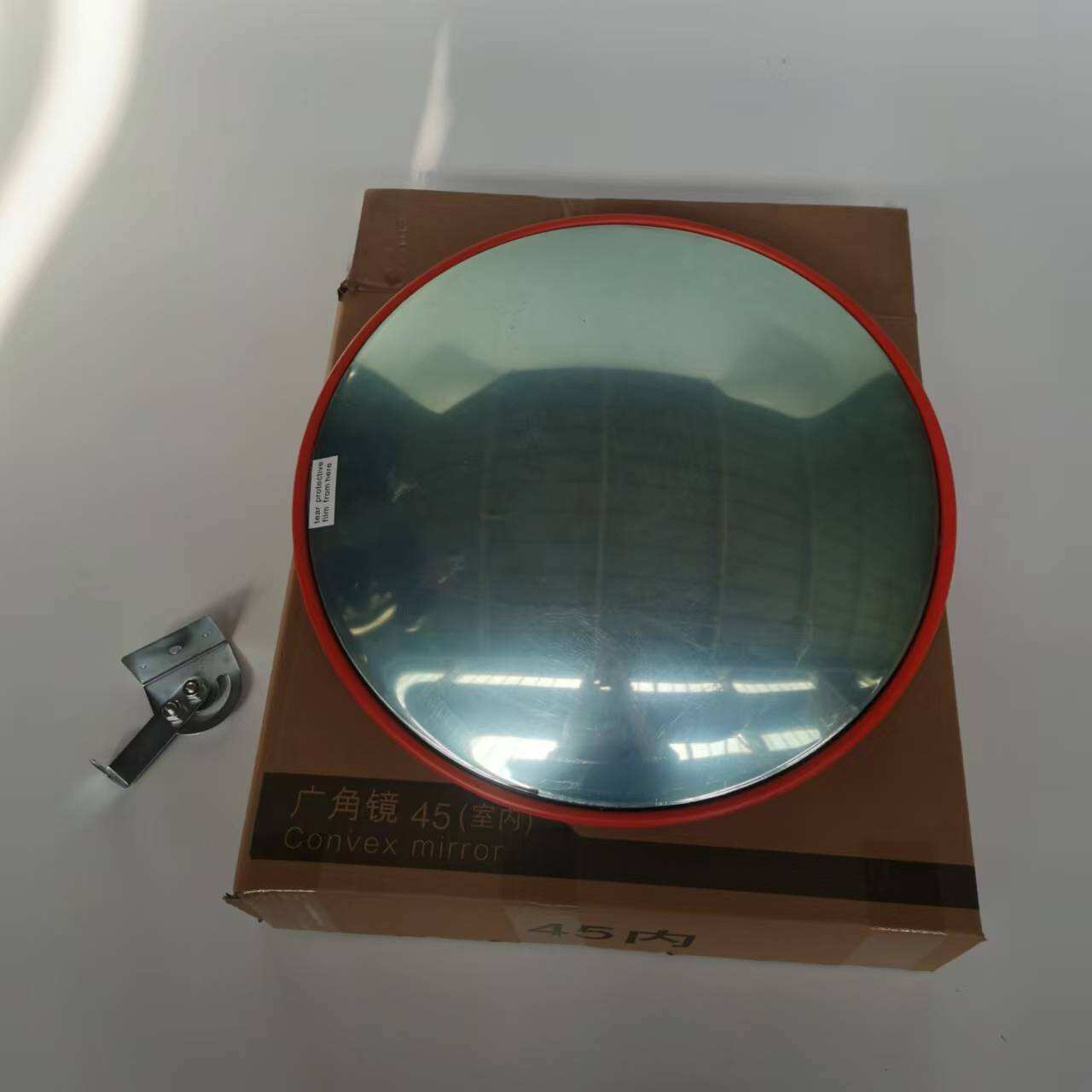
Safety and visibility remain paramount concerns across numerous environments where blind spots pose significant risks. Convex mirrors represent one of the most effective solutions for enhancing surveillance and preventing accidents in various settings. These specialized optical devices utilize curved surfaces to provide wider fields of view than traditional flat mirrors, making them indispensable tools for security, traffic management, and general safety applications.
The unique design characteristics of convex mirrors enable them to capture expansive viewing angles while maintaining compact installation requirements. Their effectiveness stems from the fundamental principle that curved surfaces reflect light rays in patterns that expand the observable area beyond what standard mirrors can achieve. This capability makes convex mirrors particularly valuable in situations where comprehensive visibility is essential for safety and operational efficiency.
Traffic Safety Applications
Road Intersections and Blind Corners
Road safety represents one of the most critical applications where convex mirrors demonstrate exceptional effectiveness. At dangerous intersections and sharp corners with limited visibility, these mirrors provide drivers with crucial information about approaching traffic from hidden angles. The expanded field of view helps prevent collisions by allowing motorists to see vehicles, pedestrians, and cyclists that would otherwise remain invisible until the last moment.
Installation of convex mirrors at strategic locations significantly reduces accident rates in areas with challenging sight lines. Traffic engineers frequently specify these devices for rural intersections, mountain roads, and urban areas where buildings or terrain create dangerous blind spots. The mirrors must be positioned at optimal heights and angles to provide maximum visibility while ensuring they remain clearly visible to approaching drivers.
Parking Areas and Driveways
Private and commercial parking facilities benefit enormously from strategically placed convex mirrors that enhance safety for both vehicles and pedestrians. These mirrors help drivers navigate tight spaces, avoid collisions with parked cars, and identify pedestrians who might be obscured by larger vehicles. Shopping centers, hospitals, and office buildings commonly install these mirrors to reduce liability and improve overall safety.
Residential driveways, particularly those with steep grades or curved approaches, represent another important application area. Homeowners install convex mirrors to improve visibility when backing out of garages or navigating blind corners on their property. The mirrors provide advance warning of approaching vehicles or pedestrians, significantly reducing the risk of accidents in private spaces.
Commercial and Industrial Security
Retail Store Surveillance
Retail environments utilize convex mirrors as cost-effective supplements to electronic surveillance systems. These mirrors enable store personnel to monitor multiple aisles simultaneously, reducing the need for extensive camera networks while providing real-time visibility of customer activities. Loss prevention teams particularly value the ability to observe areas that might otherwise require multiple staff members to monitor effectively.
The strategic placement of convex mirrors in retail settings helps deter shoplifting by eliminating hiding spots and blind areas. Customers become aware that their activities remain visible from multiple vantage points, which serves as a psychological deterrent to theft. Additionally, these mirrors assist store employees in providing better customer service by enabling them to see when customers need assistance in distant sections of the store.
Warehouse and Manufacturing Facilities
Industrial facilities rely heavily on convex mirrors to maintain safety in environments where heavy machinery, forklifts, and personnel operate in close proximity. These mirrors provide operators with enhanced visibility around corners, at intersections of aisles, and in areas where large equipment might obstruct normal sight lines. The prevention of workplace accidents through improved visibility directly translates to reduced insurance costs and improved operational efficiency.
Manufacturing plants install convex mirrors at critical points throughout production floors to help supervisors monitor operations and ensure compliance with safety protocols. The mirrors enable quick visual assessment of work areas without requiring personnel to physically visit each location, improving both safety oversight and productivity. Quality control processes also benefit from the enhanced visibility that convex mirrors provide in monitoring production lines.
Healthcare and Institutional Settings
Hospital Corridors and Patient Areas
Healthcare facilities present unique challenges where convex mirrors serve multiple safety and operational functions. In hospital corridors, these mirrors help medical staff navigate quickly while transporting patients on gurneys or wheelchairs, reducing the risk of collisions at intersections. Emergency situations particularly benefit from the enhanced visibility that convex mirrors provide, enabling faster response times and safer navigation through busy medical facilities.
Patient monitoring represents another critical application where convex mirrors enhance safety and care quality. Nursing stations utilize these mirrors to maintain visual contact with patients in multiple rooms simultaneously, improving response times for emergency situations. Mental health facilities particularly benefit from the ability to monitor patients in areas where direct supervision might be challenging or inappropriate.
Educational Institutions
Schools and universities implement convex mirrors to enhance security and safety throughout campus environments. These mirrors help security personnel monitor hallways, stairwells, and outdoor areas where students congregate. The ability to observe multiple areas simultaneously improves the effectiveness of limited security staff while providing better protection for students and faculty.
Cafeterias, libraries, and other common areas benefit from convex mirror installation by enabling staff to monitor student behavior and identify potential issues before they escalate. The mirrors also help ensure compliance with safety protocols and emergency procedures by providing administrators with comprehensive visibility of evacuation routes and assembly areas.
Public Transportation Systems
Bus Stops and Transit Stations
Public transportation systems extensively utilize convex mirrors to improve passenger safety and operational efficiency. At bus stops, these mirrors help drivers identify pedestrians in blind spots and safely navigate around waiting passengers. Transit authorities install convex mirrors at strategic locations to reduce accidents involving public vehicles and improve overall system safety.
Subway stations and train platforms benefit from convex mirrors that enable security personnel to monitor large areas with limited staff resources. These mirrors help identify suspicious activities, monitor passenger flow, and ensure platform safety during peak travel times. The enhanced visibility provided by convex mirrors contributes significantly to the overall security infrastructure of public transportation systems.
Vehicle Integration
Commercial vehicles, including buses, trucks, and emergency vehicles, integrate convex mirrors into their design to eliminate dangerous blind spots. These mirrors provide drivers with enhanced awareness of surrounding traffic conditions, pedestrians, and obstacles that might not be visible through standard mirrors or direct observation. The safety benefits extend to all road users who share space with these larger vehicles.
Fleet operators recognize the value of convex mirrors in reducing accident rates and insurance claims associated with their vehicle operations. The mirrors help drivers make safer lane changes, turns, and parking maneuvers, particularly in urban environments where space constraints and traffic congestion create challenging operating conditions. Regular maintenance and proper positioning of these mirrors ensure continued effectiveness in preventing accidents.
Installation and Maintenance Considerations
Optimal Positioning Strategies
Effective implementation of convex mirrors requires careful consideration of positioning, mounting height, and angle adjustment to maximize their safety benefits. Professional installation ensures that mirrors provide optimal viewing angles while remaining clearly visible to users. The mounting location must account for lighting conditions, weather exposure, and potential obstruction by vegetation or other structures that might compromise mirror effectiveness over time.
Environmental factors significantly influence mirror performance and longevity. Outdoor installations must withstand weather extremes, including temperature fluctuations, precipitation, and wind loading. Indoor installations face different challenges, including cleaning requirements, lighting considerations, and integration with existing architectural features. Proper assessment of these factors during planning phases ensures successful long-term mirror performance.
Quality Standards and Durability
High-quality convex mirrors feature durable construction materials that resist environmental degradation while maintaining optical clarity over extended periods. Stainless steel backing, weather-resistant coatings, and impact-resistant designs ensure reliable performance in demanding applications. Investment in quality mirrors reduces replacement costs and maintains consistent safety benefits throughout their service life.
Regular maintenance protocols help preserve mirror effectiveness and extend service life. Cleaning schedules must account for environmental conditions and usage patterns that affect mirror clarity. Periodic inspection of mounting hardware, mirror surfaces, and protective coatings enables early identification of maintenance needs before they compromise safety performance. Replacement schedules should consider the critical safety functions that convex mirrors serve in each specific application.
FAQ
What makes convex mirrors more effective than flat mirrors for safety applications
Convex mirrors provide significantly wider fields of view compared to flat mirrors due to their curved design that disperses reflected light over broader angles. This characteristic enables users to observe larger areas from a single vantage point, making them particularly valuable in situations where comprehensive visibility is essential for safety. The expanded viewing capability helps identify potential hazards, vehicles, or pedestrians that would remain invisible when using traditional flat mirrors.
How do weather conditions affect the performance of outdoor convex mirrors
Weather conditions can significantly impact the effectiveness of outdoor convex mirrors through various mechanisms. Rain, snow, and ice can obstruct mirror surfaces, reducing visibility and compromising safety benefits. Extreme temperatures may cause expansion and contraction that affects mounting stability, while prolonged UV exposure can degrade mirror coatings and reduce optical clarity. High-quality mirrors with appropriate protective coatings and regular maintenance schedules help minimize weather-related performance degradation.
What are the key factors to consider when selecting convex mirrors for different applications
Mirror selection requires careful evaluation of several critical factors including viewing distance requirements, environmental conditions, and specific safety objectives. The diameter and curvature of convex mirrors directly influence the field of view and image clarity, with larger mirrors providing wider viewing angles at the cost of reduced image detail. Material selection must account for installation environment, with stainless steel or acrylic options offering different advantages for indoor versus outdoor applications.
How often should convex mirrors be inspected and maintained for optimal performance
Maintenance frequency depends on environmental conditions and usage intensity, but generally requires monthly visual inspections and quarterly detailed assessments. High-traffic areas or harsh outdoor environments may necessitate more frequent attention, while protected indoor installations might require less maintenance. Inspection protocols should evaluate mirror clarity, mounting stability, and surrounding conditions that might affect visibility. Immediate attention is required whenever mirrors show signs of damage, obstruction, or reduced optical performance that could compromise safety functions.
Table of Contents
- Traffic Safety Applications
- Commercial and Industrial Security
- Healthcare and Institutional Settings
- Public Transportation Systems
- Installation and Maintenance Considerations
-
FAQ
- What makes convex mirrors more effective than flat mirrors for safety applications
- How do weather conditions affect the performance of outdoor convex mirrors
- What are the key factors to consider when selecting convex mirrors for different applications
- How often should convex mirrors be inspected and maintained for optimal performance