 EN
EN

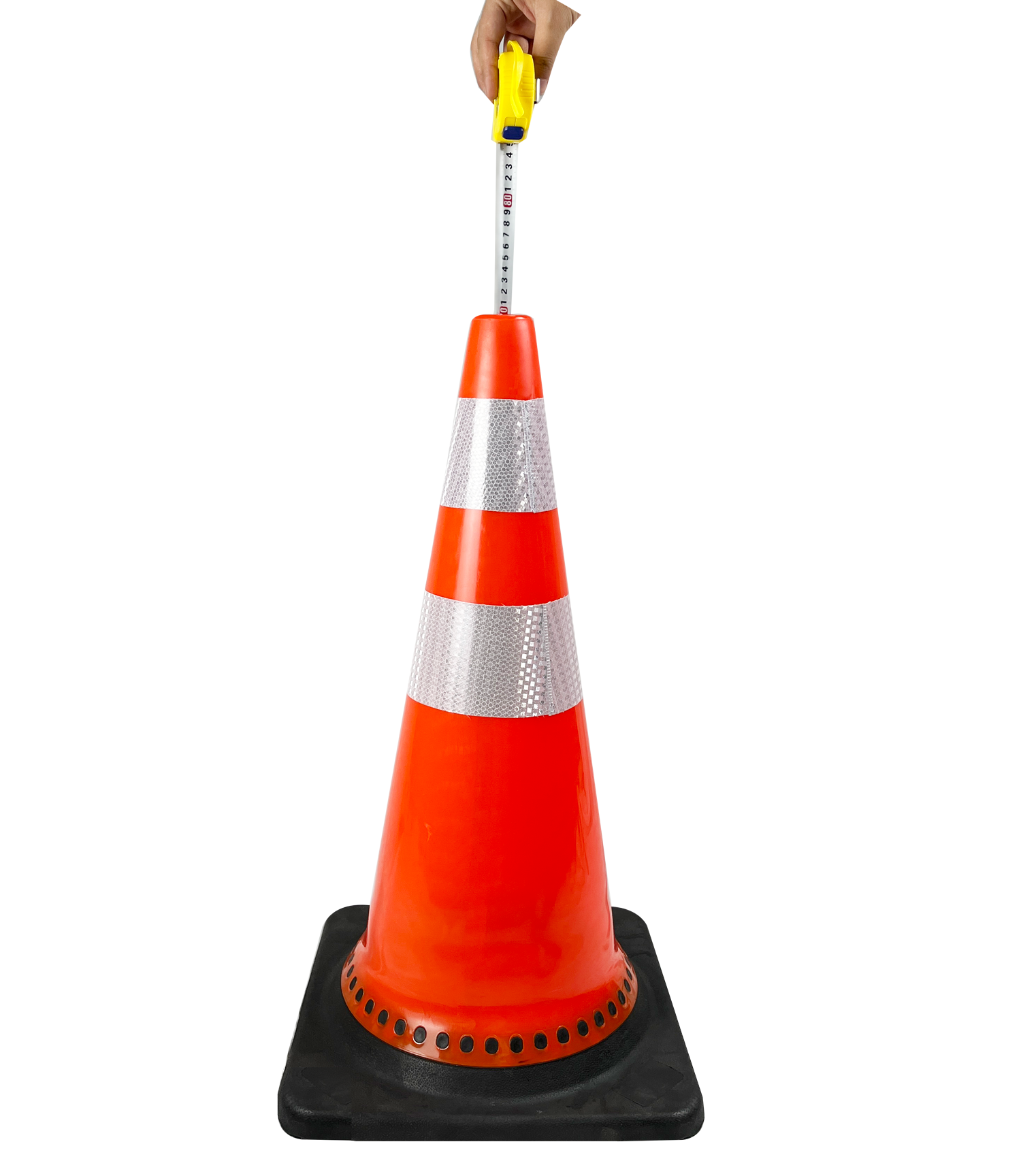
Traffic cones have become an indispensable component of modern road safety infrastructure, serving as temporary barriers and warning devices across construction sites, roadwork zones, and emergency situations. These bright orange safety markers represent one of the most cost-effective solutions available to transportation departments, construction companies, and emergency responders seeking reliable methods to protect both workers and motorists. The question of whether traffic cones truly deliver cost-effective temporary road safety solutions extends beyond their initial purchase price, encompassing factors such as durability, visibility, versatility, and long-term maintenance requirements.
Modern transportation agencies face mounting pressure to maximize safety budgets while maintaining effective traffic control measures. The growing complexity of urban infrastructure projects and increasing traffic volumes demand reliable, flexible safety solutions that can be deployed quickly and repositioned as needed. Traffic cones offer unique advantages in this environment, providing immediate visual guidance to drivers while creating clearly defined work zones and pedestrian pathways. Their lightweight construction allows for rapid deployment by small crews, reducing labor costs associated with traffic control setup and breakdown operations.
Economic Benefits of Traffic Cone Implementation
Initial Investment and Purchase Considerations
The upfront cost of traffic cones represents a fraction of alternative temporary safety barriers, making them attractive to organizations operating under tight budget constraints. Standard orange traffic cones with reflective striping typically cost between fifteen and forty dollars per unit, depending on size, weight, and reflective collar specifications. This initial investment becomes even more economical when compared to steel barriers, plastic barrier systems, or electronic warning devices that require significantly higher capital expenditures. Organizations can establish comprehensive traffic control inventories with relatively modest budgets, enabling them to respond quickly to safety needs without lengthy procurement processes.
Bulk purchasing opportunities further enhance the economic appeal of traffic cones, as suppliers often provide substantial discounts for large quantity orders. Transportation departments and construction companies can leverage these pricing advantages to build substantial inventories that support multiple simultaneous projects. The standardized manufacturing processes used to produce traffic cones contribute to competitive pricing across suppliers, ensuring organizations have access to quality products at reasonable costs. Additionally, the wide availability of traffic cones from numerous manufacturers creates a competitive marketplace that keeps prices stable and prevents supply shortages during peak construction seasons.
Long-Term Durability and Replacement Cycles
High-quality traffic cones demonstrate remarkable longevity when properly maintained and stored, often providing reliable service for several years before requiring replacement. The polyethylene construction used in premium traffic cones resists cracking, fading, and weather-related deterioration that commonly affects inferior products. This durability translates directly into extended service life and reduced replacement frequency, improving the overall return on investment for organizations that prioritize quality over lowest initial cost. Proper storage practices, including protection from extreme temperatures and UV exposure during off-season periods, can significantly extend cone lifespan and maximize value.
Replacement scheduling becomes predictable and manageable when organizations track cone condition and performance over time. Many traffic cones continue providing effective service even after sustaining minor damage, as their flexible construction allows them to bend rather than break under vehicle contact. This resilience reduces the immediate replacement needs that plague rigid barrier systems, allowing organizations to plan replacement purchases strategically rather than responding to emergency failures. The ability to refurbish traffic cones through reflective tape replacement and cleaning further extends their useful life and delays major inventory refresh requirements.

Operational Efficiency and Deployment Advantages
Rapid Setup and Breakdown Procedures
The lightweight design of traffic cones enables single-person deployment and repositioning, dramatically reducing labor costs compared to heavier barrier systems requiring multiple workers for safe handling. A typical 18-inch traffic cones weighs approximately three pounds, allowing workers to carry multiple units simultaneously and establish extended traffic control zones efficiently. This deployment speed proves crucial in emergency situations where rapid response times directly impact safety outcomes and traffic flow management. Construction crews can establish work zone protection in minutes rather than hours, minimizing disruption to normal traffic patterns and reducing exposure time for workers.
The intuitive nature of traffic cone placement requires minimal specialized training, enabling organizations to deploy available personnel for traffic control duties without extensive certification programs. Workers quickly learn proper spacing, alignment, and configuration techniques through brief demonstrations and hands-on practice. This accessibility reduces training costs and allows organizations to maintain larger pools of qualified personnel capable of handling traffic control responsibilities. The simplicity of cone-based systems also reduces the likelihood of deployment errors that could compromise safety or create liability issues for responsible organizations.
Storage and Transportation Efficiency
Stackable traffic cone designs maximize storage density and minimize warehouse space requirements, allowing organizations to maintain large inventories without proportional increases in storage costs. Standard cone configurations stack efficiently in ratios of ten to fifteen units per vertical foot, enabling compact storage arrangements that preserve cones while optimizing available space. This storage efficiency becomes particularly valuable for organizations operating multiple facilities or maintaining distributed inventories across service territories. Proper stacking also protects cones from damage and contamination that can occur when units are stored loosely or improperly arranged.
Transportation logistics benefit significantly from the compact nature of stacked traffic cones, as standard pickup trucks and service vehicles can transport substantial quantities without requiring specialized hauling equipment. A typical half-ton truck can easily accommodate fifty to seventy-five traffic cones, providing sufficient inventory for most temporary traffic control applications. This transportation capacity allows organizations to respond quickly to safety needs across wide service areas without maintaining expensive specialized vehicles or contracting external transportation services. The reduced transportation costs contribute meaningfully to overall program economics and operational flexibility.
Safety Performance and Regulatory Compliance
Visibility and Driver Recognition Factors
The distinctive orange color and conical shape of traffic cones create immediate recognition among drivers, triggering appropriate caution responses that enhance overall safety effectiveness. Decades of consistent use have established traffic cones as universal symbols of temporary hazards and altered traffic patterns, making them highly effective communication tools regardless of driver experience or geographic location. This universal recognition factor provides safety benefits that extend beyond mere physical barriers, as drivers typically begin adjusting behavior upon first sighting traffic cones rather than waiting until reaching actual work zones.
Retroreflective striping significantly enhances traffic cone visibility during nighttime and low-visibility conditions, ensuring continued effectiveness across all operational environments. Modern reflective materials maintain their reflective properties through years of exposure to weather and vehicle wash from passing traffic. The positioning of reflective bands at optimal heights maximizes headlight reflection while minimizing glare issues that could distract drivers. This enhanced visibility performance allows traffic cones to provide effective guidance during the most challenging driving conditions when accident risks typically increase.
Regulatory Standards and Compliance Requirements
Traffic cones manufactured to meet Department of Transportation specifications provide reliable compliance with federal and state traffic control regulations, reducing liability exposure for organizations responsible for work zone safety. The standardized specifications ensure consistent performance characteristics across different manufacturers and product lines, simplifying procurement decisions and inventory management. Organizations can specify compliant traffic cones with confidence that their safety systems will meet regulatory requirements and pass inspection procedures conducted by oversight agencies.
Regular updates to traffic control regulations rarely require immediate replacement of existing traffic cone inventories, as established standards tend to remain stable over extended periods. This regulatory stability protects organizations from sudden obsolescence of existing equipment and allows for gradual inventory updates through normal replacement cycles. The widespread acceptance of traffic cones across jurisdictions also simplifies compliance for organizations operating across multiple states or regions with varying local requirements. Standardized equipment reduces the complexity of maintaining compliant inventories for diverse operational environments.
Comparative Analysis with Alternative Safety Solutions
Steel and Concrete Barrier Comparisons
Permanent barrier systems excel in applications requiring absolute vehicle containment but impose significant cost penalties for temporary installations where traffic cones provide adequate protection. Steel barriers typically cost hundreds of dollars per linear foot when including installation and removal expenses, making them economically impractical for short-term projects or frequently changing work zones. The weight and complexity of permanent barriers also require specialized equipment and trained crews for safe handling, adding substantial labor costs that traffic cones avoid entirely through their lightweight construction and simple deployment procedures.
Concrete barriers provide superior impact protection but create inflexibility issues that limit their effectiveness in dynamic work environments where traffic patterns change frequently. The permanent nature of concrete installations makes them unsuitable for projects requiring daily setup and breakdown cycles or gradual advancement through work zones. Traffic cones offer the flexibility to adjust protection zones continuously as work progresses, optimizing safety coverage while maintaining efficient traffic flow. This adaptability proves essential in urban environments where construction activities must accommodate varying traffic volumes throughout different periods of the day.
Electronic and Smart Traffic Control Systems
Advanced electronic warning systems provide sophisticated capabilities but require substantial investments in equipment, installation, and ongoing maintenance that may exceed project budgets for many temporary applications. Portable electronic signs and intelligent traffic control devices cost thousands of dollars per unit and require specialized technical knowledge for proper programming and operation. While these systems offer valuable features such as real-time traffic monitoring and dynamic message capabilities, their complexity and cost make them appropriate primarily for long-term installations or high-traffic environments where their advanced capabilities justify the additional expenses.
The reliability advantages of traffic cones become apparent when comparing maintenance requirements and failure rates with electronic alternatives. Traffic cones function independently without power sources, communication systems, or software that could malfunction during critical safety operations. This independence from complex support systems ensures consistent performance regardless of weather conditions, power outages, or technical failures that commonly affect electronic devices. Organizations can depend on traffic cones to provide continuous safety protection without the ongoing maintenance contracts and technical support required by sophisticated electronic systems.
Best Practices for Maximizing Cost-Effectiveness
Proper Selection and Sizing Strategies
Selecting appropriate traffic cone specifications for intended applications ensures optimal performance while avoiding unnecessary costs associated with over-specification or under-performance issues. Standard 18-inch traffic cones provide adequate visibility and stability for most temporary traffic control applications, while 28-inch and 36-inch models serve specialized needs in high-speed environments or extended-duration projects. Organizations should evaluate their typical use patterns and select cone sizes that meet the majority of their applications rather than purchasing multiple size categories that increase inventory complexity and costs.
Weight specifications significantly impact both performance and cost, as heavier bases provide superior stability in windy conditions but increase transportation and handling expenses. Three-pound traffic cones offer excellent stability for most applications while remaining manageable for single-person deployment, representing an optimal balance between performance and practicality. Organizations operating in consistently windy environments may justify the additional costs of seven-pound or ten-pound models, but most applications achieve satisfactory results with standard-weight configurations that minimize handling fatigue and transportation costs.
Maintenance and Storage Optimization
Implementing systematic cleaning and inspection procedures extends traffic cone service life while maintaining optimal visibility performance throughout their operational periods. Regular washing removes accumulated dirt and debris that can diminish reflective effectiveness and overall appearance, ensuring continued compliance with visibility standards. Simple cleaning procedures using standard detergents and water provide effective maintenance without requiring specialized chemicals or equipment. Scheduled inspections identify cones requiring reflective tape replacement or retirement due to excessive wear, allowing organizations to maintain consistently high-quality inventories through proactive maintenance programs.
Proper storage environments protect traffic cones from premature deterioration while maximizing available space efficiency through organized stacking and inventory management systems. Climate-controlled storage areas prevent extreme temperature exposure that can cause material brittleness or premature aging, particularly important for organizations maintaining large inventories over extended periods. Organized storage systems facilitate inventory rotation practices that ensure older cones receive priority deployment, preventing situations where some units deteriorate in storage while others experience excessive use cycles. These storage optimization practices contribute significantly to overall program economics through extended equipment life and improved inventory utilization rates.
FAQ
What factors determine the lifespan of traffic cones in active use?
The lifespan of traffic cones depends primarily on usage frequency, storage conditions, and environmental exposure levels. High-quality polyethylene cones typically provide three to five years of regular service when properly maintained and stored. Factors such as extreme temperature exposure, frequent vehicle contact, and prolonged UV exposure can reduce lifespan, while proper cleaning, organized storage, and rotation practices can extend useful life significantly. Organizations should track cone condition through regular inspections and establish replacement schedules based on actual performance rather than arbitrary timeframes.
How do traffic cones compare to other temporary barriers in terms of setup time and labor requirements?
Traffic cones offer significant advantages in setup efficiency, typically requiring 75% less labor time compared to steel barriers or concrete systems. A single worker can deploy fifty traffic cones in approximately thirty minutes, while equivalent barrier coverage using steel systems might require multiple workers and several hours for safe installation. The lightweight construction eliminates needs for mechanical equipment, specialized tools, or multi-person lifting procedures that increase complexity and costs for alternative barrier systems. This efficiency advantage becomes particularly valuable for projects requiring frequent reconfiguration or daily setup and breakdown cycles.
What are the key specifications to consider when purchasing traffic cones for long-term cost effectiveness?
Essential specifications include cone height appropriate for intended applications, base weight providing adequate stability without excessive handling difficulty, and high-quality retroreflective striping meeting DOT standards. The polyethylene material should demonstrate UV resistance and flexibility to prevent cracking under normal use conditions. Reflective collar width and positioning significantly impact visibility performance, with six-inch collars providing optimal balance between visibility and cost for most applications. Organizations should prioritize proven manufacturers with established quality records rather than selecting solely based on lowest initial cost.
Can traffic cones provide adequate safety protection for high-speed roadway applications?
Traffic cones can provide effective guidance and warning functions for high-speed applications when properly sized, spaced, and configured according to traffic control standards. Applications on roadways with speeds exceeding 45 mph typically require 36-inch cones with enhanced reflective striping and closer spacing intervals to ensure adequate visibility and driver response time. While traffic cones excel at channelizing traffic and providing visual guidance, high-speed applications involving significant crash risks may require additional protection measures such as crash cushions or barrier systems behind cone lines to protect workers and equipment from errant vehicles.
Table of Contents
- Economic Benefits of Traffic Cone Implementation
- Operational Efficiency and Deployment Advantages
- Safety Performance and Regulatory Compliance
- Comparative Analysis with Alternative Safety Solutions
- Best Practices for Maximizing Cost-Effectiveness
-
FAQ
- What factors determine the lifespan of traffic cones in active use?
- How do traffic cones compare to other temporary barriers in terms of setup time and labor requirements?
- What are the key specifications to consider when purchasing traffic cones for long-term cost effectiveness?
- Can traffic cones provide adequate safety protection for high-speed roadway applications?